



Plantshop.hk · Care Encyclopedia
How to Care for Lady Palm in Hong Kong
From HK$580 · Hong Kong delivery
Hong Kong care guide — useful before you buy and after it arrives.
Shop this plant at PlantShop.hkA Victorian-era classic with delicate, arching fronds that brings graceful tropical elegance to Hong Kong homes and offices — and it thrives even in lower light. The one rule that matters most: water only when the top 2–3 cm of soil is dry.
LightBright, indirect light; copes with low light, no harsh western sun
WateringWater when top 2–3 cm is dry; about weekly in spring–summer
Best spot in HKLiving room or office near a window, away from air-con vents
PetsNon-toxic to cats & dogs; still best kept out of reach
Care in a nutshell
If you want a Hong Kong indoor plant that forgives mistakes, the Parlour Palm is it. Put it in diffused light — say 1–2 metres from an east- or north-facing window — and it will be perfectly happy. The golden rule for watering is "better too dry than too wet": insert your finger 2–3 cm into the soil and water only when dry, then empty the saucer. Winter air conditioning can make the air very dry, so mist it 1–2 times a week and wipe the leaves every 2–3 weeks, or those leaf tips will crisp up. It grows very slowly, so you only need to repot every two to three years.
Shop · Lady Palm (from HK$580)
Origin & characteristics
The Parlour Palm, also known as the Neanthe Bella Palm, belongs to the palm family (Arecaceae), genus Chamaedorea, and is native to the tropical rainforest understory of southern Mexico through to Guatemala. In its native habitat, it grows beneath towering canopy trees, adapted to filtered light and high humidity — an ecological background that makes it one of the few palm species capable of thriving in the lower light conditions typical of indoor environments.
The Parlour Palm is a clumping palm, usually sold with multiple stems planted together in one pot, creating a lush, elegant shrub-like form. Individual stems are upright, light green to deep green, with clearly visible bamboo-like ring markings (hence one of its common names, "Bamboo Palm"). Mature stems can reach 2 metres in height, but indoor specimens typically remain between 30 cm and 1.5 metres. The leaves are pinnate compound fronds with soft, lance-shaped leaflets in shades of fresh green to deep green, arching gracefully outward in a light, airy manner.
It is worth noting that the Parlour Palm is dioecious — each plant carries flowers of only one sex. Female plants, if successfully pollinated, produce small round black berries containing seeds. However, flowering and fruiting are uncommon in normal home conditions and require adequate diffused light and appropriate humidity. The Royal Horticultural Society (RHS) has awarded the Parlour Palm its Award of Garden Merit, recognising its reliability and horticultural value as an indoor plant (RHS, 2024).
Historically, the Parlour Palm became fashionable in Victorian Britain, where it was regarded as a status symbol — displaying an elegant palm from a far-flung tropical land in one's best parlour (reception room) signified worldly sophistication and refined taste. Over 150 years later, it remains one of the world's best-selling indoor plants.
Light
The Parlour Palm offers exceptional light adaptability — one of its greatest strengths:
- Ideal light: Bright, indirect light, such as 1–2 metres from an east-facing or north-facing window, or a south-facing window filtered through sheer curtains. Good diffused light promotes denser growth and may even induce flowering.
- Tolerable range: Semi-shade to lower-light positions (such as interior corners away from windows) are survivable, but growth will slow noticeably and leaf colour may become paler.
- Avoid: Strong direct summer sun, especially harsh western afternoon light through glass, which can scorch leaves causing yellowing or brown margins.
During Hong Kong summers, if the plant is near a window, filter strong light with sheer curtains or semi-transparent window film. In winter, when daylight is weaker, move the plant closer to the window. Rotate the pot every 2–3 weeks to ensure even light on all sides and prevent one-sided growth.
Watering
The Parlour Palm has moderately low water requirements — overwatering is the most common fatal mistake:
- Watering principle: "Let dry between waterings" — insert your finger 2–3 cm into the soil and water only when dry. When you do water, drench thoroughly until water flows from the drainage holes, then discard saucer water.
- Seasonal adjustments:
- Spring-summer (active growth): Check every 5–7 days; typically water about once a week. During particularly hot, dry weather, increase to every 5 days.
- Autumn-winter (slow growth): Water every 10–14 days, or even less. Hong Kong winters are humid with slower evaporation, so stricter water control is essential.
- Water quality: The Parlour Palm is somewhat sensitive to water quality. Long-term use of hard (mineral-rich) tap water can cause leaf tip browning. Use tap water that has stood for 24+ hours, filtered water, or rainwater. According to RHS guidance, palms prefer slightly acidic conditions, and hard water gradually alkalises the soil (RHS, 2024).
Soil & pot
- Soil mix: Needs well-draining, organic-rich, slightly acidic medium. Suggested mix: peat-free potting mix 3 parts + perlite or coarse sand 1 part + coco peat 1 part. If using a ready-made potting mix, add approximately 20% perlite to improve drainage. Avoid heavy, overly moisture-retentive garden soils that lead to root rot.
- Pot selection: Ceramic or cement pots offer better breathability; plastic pots retain more moisture and require more careful watering control. The pot must have drainage holes — place a layer of clay pellets or gravel at the base as a drainage layer before planting.
- Repotting: The Parlour Palm grows slowly and generally only needs repotting every 2–3 years, with spring being the best time. Choose a new pot only 3–5 cm larger in diameter than the original — avoid oversized pots. Excess soil volume stays wet for too long, significantly increasing root rot risk. During repotting, keep the root ball as intact as possible, only gently loosening the outer roots.
Temperature & humidity
- Optimal temperature: 20–27°C — typical Hong Kong indoor air-conditioned environments suit the Parlour Palm perfectly. During the growing season (March–October), ideal temperatures are above 20°C.
- Minimum tolerable temperature: Approximately 10–12°C. Below this, growth stalls and leaves may show cold damage symptoms. Hong Kong indoor winter temperatures generally stay above 15°C, which is fine. Avoid placing directly in the path of air-conditioning vents or near doorways where cold drafts blow.
- Humidity requirements: While the Parlour Palm adapts to typical indoor humidity (40–60%), higher humidity (60%+) keeps leaves in optimal condition. Hong Kong summers are naturally humid enough, but winter heating or continuous air conditioning can dry the air to levels that cause leaf tip browning. Recommended humidity-boosting methods:
- Mist leaves 1–2 times per week with a spray bottle (avoid misting when strong sunlight is present, as water droplets can act as lenses and burn leaves)
- Place the pot on a humidity tray filled with pebbles and water
- Group plants together to create a microclimate
- Use a humidifier (especially valuable in air-conditioned office environments)
Cleaning care: Every 2–3 weeks, gently wipe leaves with a slightly damp soft cloth to remove dust. This helps photosynthetic efficiency and helps prevent spider mite infestations.
Common problems
| Issue | Likely cause | What to do |
|---|---|---|
| Leaf tips turn brown or scorched | Air too dry, hard water, or over-concentrated fertiliser | Switch to filtered or rainwater; increase misting frequency; halve fertiliser concentration |
| Entire leaves turn yellow | Overwatering causing root rot, or severely insufficient light | Check soil moisture and ensure good drainage; move to a brighter position |
| Leaves develop pale spots or fading | Direct sun scorching leaves | Move away from direct sunlight to a position with diffused light |
| Growth extremely slow, sparse foliage | Insufficient light, temperature too low, or root-bound plant | Increase light; check if repotting is needed; fertilise appropriately |
| Fine webbing or stippling spots on leaves | Spider mite infestation | Increase humidity; wipe leaves with damp cloth; apply neem oil or insecticidal soap for severe cases |
Not sure your spot gets enough light, or something looks off? Send us a photo on WhatsApp 4492 9648 and we’ll take a look.
Questions people ask
Can a Parlour Palm grow indoors in Hong Kong?
Yes — it is one of the few palms that copes well with indoor light. Bright, indirect light is ideal, such as 1–2 metres from an east- or north-facing window.
How often should I water a Parlour Palm?
Typically about once a week in spring and summer, and every 10–14 days (or less) in autumn and winter. Check that the top 2–3 cm of soil is dry first.
Why are my Parlour Palm's leaf tips turning brown?
Usually dry air, hard tap water or over-strong fertiliser. Switch to filtered or rainwater (or tap water left to stand for 24+ hours), mist 1–2 times a week, and keep it away from air-conditioning vents.
Is a Parlour Palm safe for cats and dogs?
Yes. It is non-toxic to cats and dogs and is listed as pet-safe by the ASPCA. Pets that chew large quantities of any plant may get a mild stomach upset, so keep it out of easy reach.
Fun facts
An air-purifying little helper? The Parlour Palm was one of the plants tested in NASA's landmark 1989 indoor air purification study (Wolverton et al., 1989). Research showed it can remove formaldehyde, benzene, and trichloroethylene from enclosed environments. While subsequent studies noted that achieving significant air purification requires a large number of plants in a sealed space, as a home green decoration, it still contributes something to improving the micro-environment.
Another fascinating historical detail: in Victorian times, the parlour was the most formal room in the house, reserved exclusively for receiving important guests. When Britain's upper classes developed a passion for tropical plants, the Parlour Palm — with its elegant form and relatively manageable care requirements — became the standard centrepiece of these reception rooms, eventually earning the enduring name "Parlour Palm." Today, in many Victorian-era buildings in Britain, you can still find century-old specimens of this remarkable plant, testament to its extraordinary longevity and resilience.
References (expand to view sources)
References
- Royal Horticultural Society (RHS). (2024). How to grow Chamaedorea. https://www.rhs.org.uk/plants/chamaedorea/growing-guide
- Wolverton, B.C., Johnson, A. & Bounds, K. (1989). Interior landscape plants for indoor air pollution abatement. NASA Technical Memorandum, NASA TM-101766.
- Singapore National Parks Board Flora & Fauna Web. Chamaedorea elegans. https://www.nparks.gov.sg/florafaunaweb
- Gardenia.net. Parlor Palm (Chamaedorea elegans). https://www.gardenia.net/plant/chamaedorea-elegans-parlor-palm
- Patch Plants. Complete Guide to Parlour Palm Care. https://www.patchplants.com/pages/plant-care/complete-guide-to-parlour-palm-care/
⚠️ Pet / toxicity: The Parlour Palm is non-toxic to cats and dogs and is listed as pet-safe by the ASPCA. While non-toxic, pets that chew and ingest large quantities of any plant material may experience mild gastrointestinal upset. It is still advisable to place the plant in a position where pets cannot easily reach it.
Shop at Plantshop
View all Plants →
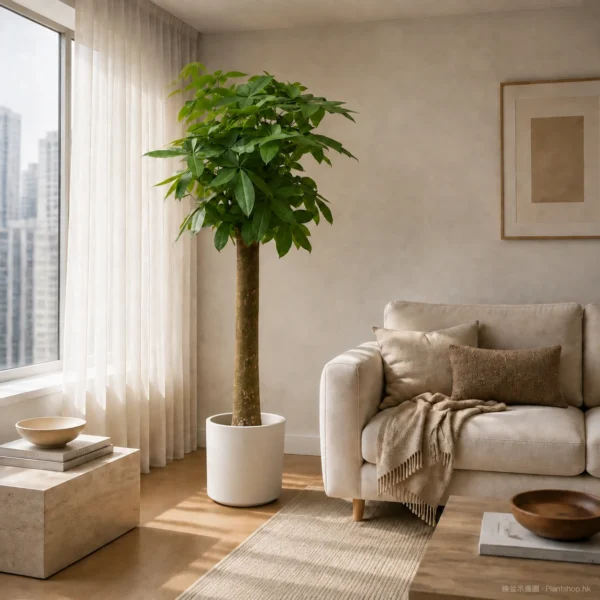
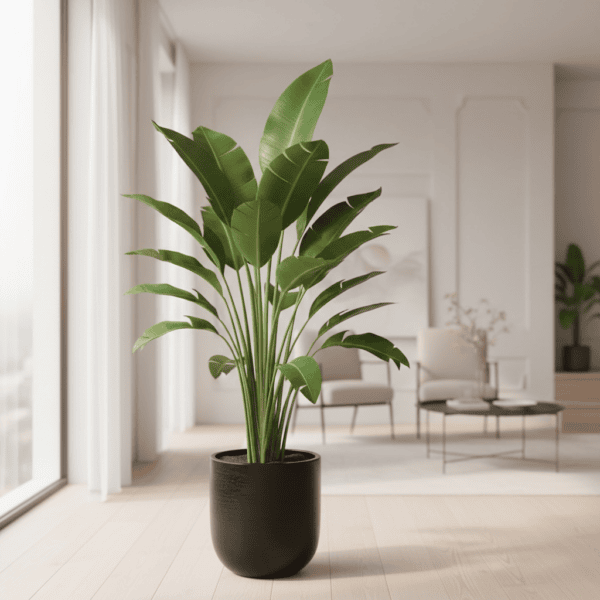
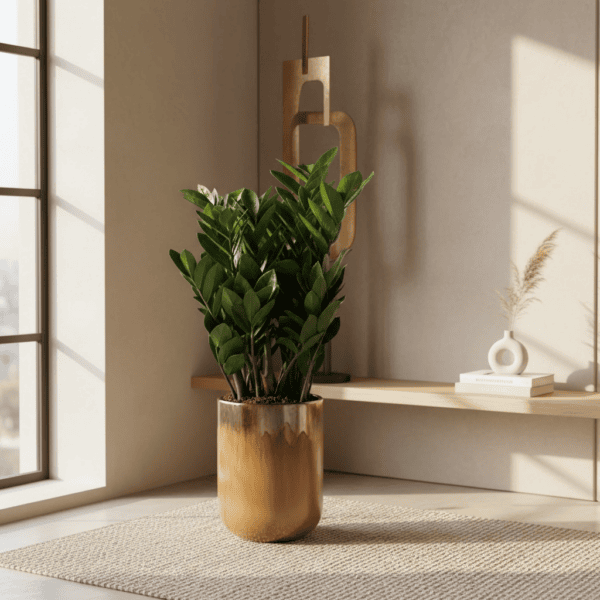
For Hong Kong homes and offices. Stock and pricing follow the product page.
FAQs
Origin & characteristics
The Parlour Palm, also known as the Neanthe Bella Palm, belongs to the palm family (Arecaceae), genus Chamaedorea, and is native to the tropical rainforest understory of southern Mexico through to Guatemala. In its native habitat, it grows beneath towering canopy trees, adapted to filtered light and high humidity — an ecological background that makes it one of the few palm species capable of thriv
Watering
The Parlour Palm has moderately low water requirements — overwatering is the most common fatal mistake:
Fun facts
An air-purifying little helper? The Parlour Palm was one of the plants tested in NASA's landmark 1989 indoor air purification study (Wolverton et al., 1989). Research showed it can remove formaldehyde, benzene, and trichloroethylene from enclosed environments. While subsequent studies noted that achieving significant air purification requires a large number of plants in a sealed space, as a h
Keywords
Parlour Palm, Chamaedorea elegans, indoor palm, foliage plant, shade-tolerant plant, air-purifying plant, low-maintenance houseplant, Hong Kong indoor plant, Neanthe Bella Palm, Bamboo Palm, Victorian houseplant, office plant, pet-safe plant
