



Plantshop.hk · Care Encyclopedia
How to Care for Burmese Rosewood in Hong Kong
From HK$480 · Hong Kong delivery
Hong Kong care guide — useful before you buy and after it arrives.
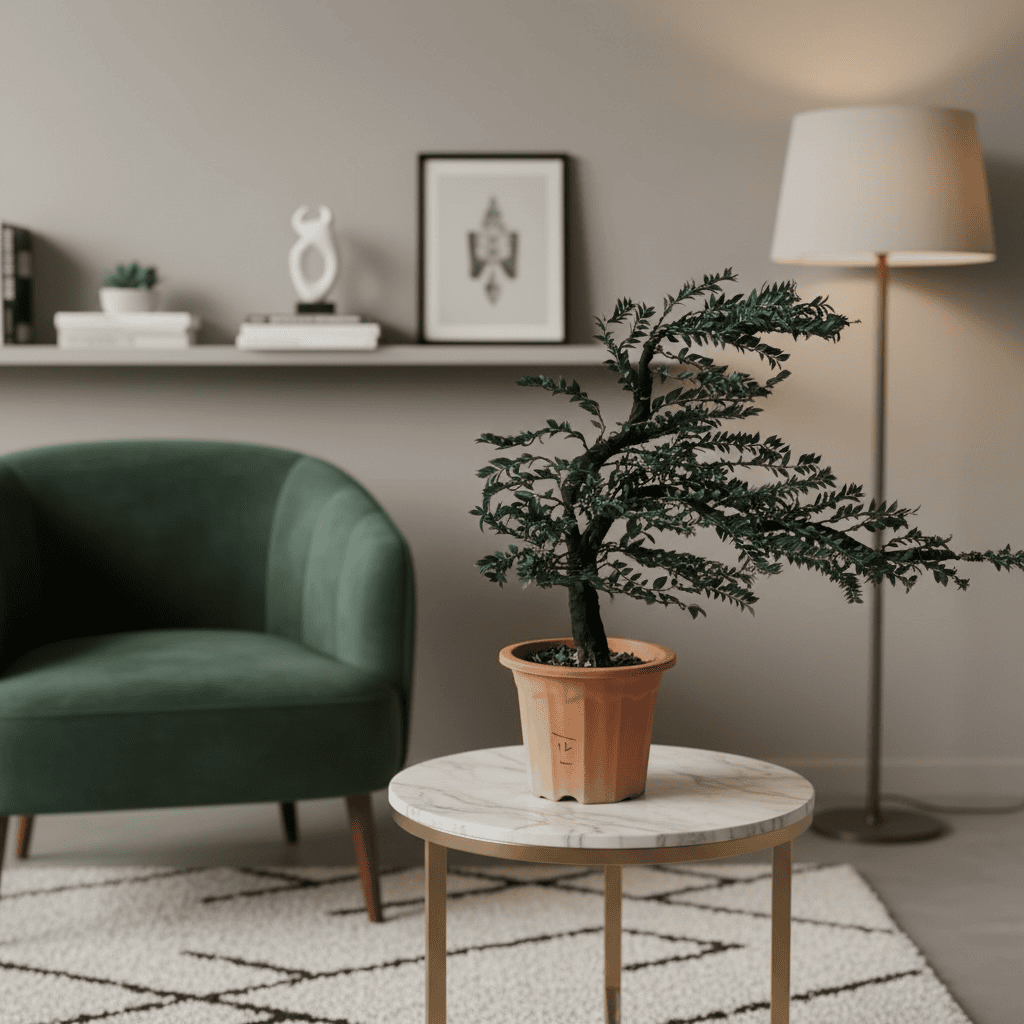
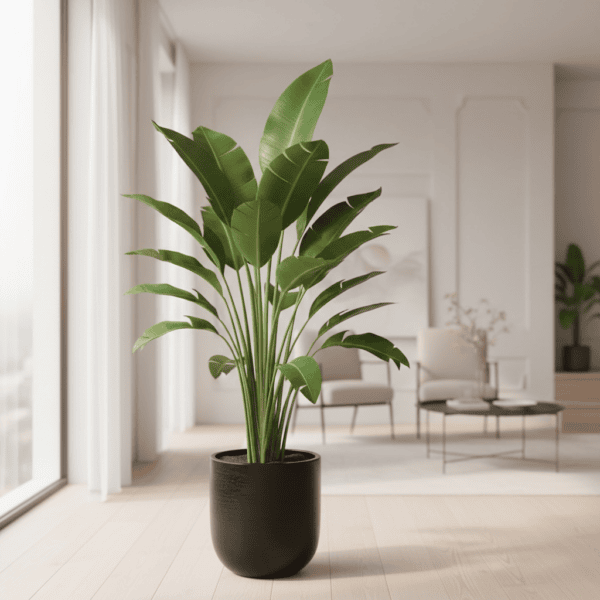
Shop this plant at PlantShop.hkA hand-sculpted, bonsai-style padauk with feathery compound leaves and a weathered silhouette — timeless Eastern elegance for a Hong Kong study or tea room. The one rule that matters most: keep it in bright, diffused light, 4–6 hours a day.
LightBright diffused light, 4–6 hrs a day; 1–2 m from window
WateringWater when topsoil is dry; every 5–7 days in spring/summer
Best spot in HKBright living room or study, near an east/south window
PetsNo significant toxicity; large amounts may upset tummies
Care in a nutshell
To grow a styled padauk in Hong Kong, treat it as a living miniature redwood: hand-sculpted through pruning, and perfect for bringing an Eastern atmosphere to a study or tea room. It needs good light, so keep it near a window or the leaves will grow loose and lose their elegance. In spring and summer it grows quickly, so trim it now and then to keep the shape. Water only when the soil surface looks dry, and never let the pot sit in water. Use a free-draining mix (4 parts potting mix to 3 parts perlite or coarse sand), and expect it to grow best at 20–32°C and stall below 12°C.
Shop · Burmese Rosewood (from HK$480)
Origin & characteristics
Padauk, Pterocarpus indicus, belongs to the legume family (Fabaceae), genus Pterocarpus. It is native to Southeast Asia and Pacific islands, with a distribution spanning Myanmar, Thailand, Vietnam, the Malay Peninsula, Indonesia, Papua New Guinea, and the Philippines. The species is listed as "Vulnerable" on the IUCN Red List, with wild populations declining due to over-harvesting. The genus name Pterocarpus derives from Greek "pteron" (wing) and "karpos" (fruit), describing the species' distinctive flat, winged circular fruit; the specific epithet indicus refers to its native region east of India.
In nature, padauk grows as a deciduous tree reaching up to 30 metres tall, with a straight trunk and grey-brown bark that peels in longitudinal strips. Leaves are pinnately compound with 5–9 leaflets, thin and soft in texture, ovate to elliptical, with fresh green to yellow-green colouring that sways gently in the breeze with poetic grace. Flowers are small, bright yellow, borne in racemes; fruit is a flat, round winged samara approximately 4–5 cm in diameter, turning yellow-brown at maturity and dispersing by wind. The heartwood is deep reddish-brown to purplish-black, hard and fine-textured with a natural lustre, prized as a traditional material for high-end furniture and carving. In East Asian culture, it ranks alongside "huanghuali" and "rosewood" as one of the three great precious redwoods.
"Styled padauk" describes padauk seedlings or cuttings that have undergone years of manual pruning, wiring, and root trimming to create a bonsai-style miniature tree form. This cultivation preserves padauk's natural beauty — soft pinnate compound leaves, gradually lignifying stems, and subtly textured bark — while controlling size for indoor placement (typically 60–120 cm tall). Since padauk grows quite rapidly (Singapore trials recorded 11-year-old specimens averaging 33 metres tall with 1.55-metre trunk circumference), styled padauk requires regular pruning to maintain its form, making it a "living artwork" that rewards ongoing interaction from its owner.
Notably, padauk forms nitrogen-fixing root nodules through symbiosis with Rhizobium bacteria, converting atmospheric nitrogen into plant-available forms. This trait means padauk has relatively modest soil nutrient demands, though in container cultivation nodule activity may be limited by soil conditions, so moderate feeding remains beneficial.
Light
Styled padauk requires ample bright diffused light. Ideal placement is 1–2 metres from an east- or south-facing window. As a pioneer species native to open tropical landscapes, padauk is accustomed to abundant sunlight during its youth. Insufficient light causes leaf shrinkage, elongated petioles, and sparse internodes, seriously compromising the sculptural aesthetic. A minimum of 4–6 hours of bright light daily is essential to maintain compact form.
Hong Kong indoor placement recommendations:
- Best positions: Bright living room near windows, study window sills, glass-roofed balconies
- Acceptable positions: Indoor locations 3–5 metres from windows (growth will be slower, leaf colour deeper)
- Avoid: Windowless corridors, bathrooms, rooms with lights permanently off
Avoid strong midday direct sun in summer, especially west-facing windows, as the thin-textured leaves scorch easily. If window light is too intense, use sheer curtains or venetian blinds for partial shading. In winter when light is weaker, move the plant closer to windows for additional exposure.
Rotate the pot 180 degrees every two weeks for even light distribution, preventing the canopy from growing lopsided and compromising the sculpted form.
Watering
Styled padauk follows the principle: "water only when the topsoil has dried." Insert your finger approximately 2–3 cm into the soil; water when dry at that depth. Water slowly and thoroughly until drainage flows from the bottom, wait 10 minutes, then empty the saucer. Padauk prefers moist but well-drained conditions — its native habitat receives 2,000–3,000 mm annual rainfall, but in container cultivation the limited root space makes standing water dangerous.
Seasonal adjustments:
- Spring/Summer (active growth): Approximately every 5–7 days, adjusted for pot size and ventilation. Active growth demands more water, and soil dries faster.
- Autumn/Winter (slow growth): Approximately every 7–10 days; the soil can dry an additional 1–2 days beyond that.
- Humid spring fog / rainy season: Extremely high humidity slows soil drying; extend to every 10–14 days and ensure no saucer water accumulates.
Water quality: Padauk prefers slightly acidic to neutral water. Hong Kong tap water is slightly alkaline and chlorinated; leave water standing overnight before use, or use rainwater or air-conditioner condensate. Avoid using cold water straight from the refrigerator — low water temperature shocks roots.
Air-conditioned room note: Long-term air conditioning dries the air and accelerates soil moisture evaporation. Check soil more frequently and mist leaves lightly to raise humidity.
Soil & pot
Styled padauk needs free-draining, aerated soil with moderate moisture retention. Recommended formula: quality potting mix 4 parts + perlite or coarse sand 3 parts + coir 2 parts + small amount of organic compost 1 part. Ideal pH is slightly acidic to neutral (pH 5.5–6.5), matching its native soil conditions.
Pot selection:
- Material: Unglazed purple-clay (zisha) or terracotta pots best suit the bonsai aesthetic and offer excellent breathability; concrete or stone pots provide weight and texture for larger specimens. Plastic is lightweight but clashes with padauk's Eastern aesthetic.
- Shape: Shallow or medium-depth pots both work, but bonsai style typically favours shallower wide-mouthed pots that emphasise trunk line. The pot must have drainage holes.
- Size: Padauk grows quickly, but bonsai cultivation requires root restriction to maintain small scale. When repotting, upgrade only one size (3–5 cm larger diameter), typically every 1–2 years in spring before new growth emerges.
During repotting, inspect root condition, trim excessively long roots, and replace approximately one-third of old soil with fresh mix. If maintaining the current tree size, perform a "soil change without pot change" — remove the plant, trim outer roots and old soil, and replant into the same pot.
Temperature & humidity
Styled padauk grows best at 20–32°C, which aligns well with Hong Kong indoor conditions. Its cold tolerance is limited — prolonged temperatures below 12°C severely stall growth, and below 5°C may cause cold damage. Hong Kong winter indoor temperatures are generally not a concern, but during brief cold snaps (temperatures below 10°C), move the plant away from cold window drafts, or cover lightly with non-woven fabric at night for insulation.
For humidity, styled padauk prefers higher humidity (50–70%), reflecting its native tropical rainforest habitat. Hong Kong summer humidity is usually adequate. During winter air conditioning or heating, consider:
- Light leaf misting (morning or evening, allowing leaves time to dry)
- Pebble tray beneath the pot (water level below pot base)
- Grouping with other foliage plants to create a humid microclimate
- Avoiding positioning directly beside air-con outlets or heaters
Common problems
| Issue | Likely cause | What to do |
|---|---|---|
| Pinnate compound leaves folding closed, petioles drooping | Underwatering or environmental shock | Check soil moisture; if dry, water thoroughly immediately; if moist, check for sudden temperature changes |
| Lower leaves yellowing and dropping | Overwatering causing root rot, or natural old leaf senescence | Check soil moisture and drainage; if root rot, repot and trim roots; if only a few old leaves drop, this is normal |
| New leaves small, yellowish | Insufficient light or nutrient deficiency | Move to brighter position; apply balanced liquid fertiliser every 2–3 weeks during growing season |
| White powdery coating on leaves | Whitefly or scale insect infestation | Wipe off with damp cloth; for severe cases use neem oil or dedicated insecticide; check surrounding plants for cross-infection |
| Tree form becoming loose, branches leggy | Chronic low light or lack of pruning | Increase light; perform structural pruning in spring, cutting overlong branches back by one-third to one-half to encourage side bud development |
| Leaf tips brown and dry | Air too dry or water too alkaline | Increase surrounding humidity; switch to standing water or rainwater; check if fertiliser concentration is causing salt damage |
Not sure your spot gets enough light, or something looks off? Send us a photo on WhatsApp 4492 9648 and we’ll take a look.
Questions people ask
Can a styled padauk grow indoors in Hong Kong?
Yes, as long as it gets enough light. Place it in bright, diffused light 1–2 metres from an east- or south-facing window, for at least 4–6 hours a day. Windowless corridors and bathrooms are not suitable.
How often should I water a styled padauk?
Roughly every 5–7 days in spring and summer and every 7–10 days in autumn and winter. In humid rainy spells you can stretch it to every 10–14 days; always check the topsoil is dry first.
How often does a styled padauk need repotting?
Typically every 1–2 years, in spring before new growth emerges. Go up only one size (3–5 cm wider), or do a "soil change without pot change" to keep the current size.
Is a styled padauk safe for cats and dogs?
It has no significant toxicity, but eating a large quantity of leaves may cause mild digestive upset. Keep it where pets cannot easily reach, and wear gloves when pruning to avoid sap on your skin.
Fun facts
Padauk heartwood has been revered in East Asian culture as the "wood of emperors." During China's Ming and Qing dynasties, imperial court furniture was extensively crafted from padauk. The wood is heavy and dense with fine grain, developing a satin-like lustre when polished, and its colour transitions from an initial orange-red to deep purplish-black with age — growing ever more distinguished. Because padauk grows slowly (wild trees requiring centuries to reach timber size) and has been subject to over-harvesting, wild resources are now depleted, and the species is regulated under the Convention on International Trade in Endangered Species (CITES).
As a legume, padauk possesses the remarkable biological trait of nitrogen-fixing root nodule symbiosis. Root nodules convert approximately 78% atmospheric nitrogen (N₂) into ammonia (NH₃) for the plant's own use, while also benefiting neighbouring plants. This "self-sufficient" nutrient acquisition enables padauk to thrive even in poor soils, a key factor in its success as a pioneer species.
In Singapore, padauk is a common street tree known locally as "Angsana" (dragon boat tree). Singapore National Parks Board data shows padauk's astonishing growth rate — under favourable conditions it can reach 33 metres in height with a 1.55-metre trunk circumference in just 11 years. This explains why container-grown styled padauk requires regular pruning — left uncontrolled, its "ambition" is to become a full-sized tree.
Padauk wood has a unique property: when soaked in water, it releases a purplish-red pigment called "pterocarpin" that was used as a natural dye in ancient times. This pigment appears red in acidic conditions and shifts to blue-purple in alkaline environments — a fascinating chemical quirk.
References (expand to view sources)
References
- IUCN Red List. Pterocarpus indicus. https://www.iucnredlist.org/species/33213/2834985
- World Flora Online. Pterocarpus indicus Willd. https://www.worldfloraonline.org/taxon/wfo-0000195183
- Tropical The Ferns. Pterocarpus indicus – Cultivation Details. https://tropical.theferns.info/viewtropical.php?id=Pterocarpus+indicus
- Singapore National Parks Board. Pterocarpus indicus – Angsana. https://www.nparks.gov.sg/flora-fauna-species/species/
- CITES. Appendix II – Pterocarpus spp. https://cites.org/eng/app/appendices.php
- Hong Kong Agriculture, Fisheries and Conservation Department. Hong Kong Herbarium – Fabaceae. https://www.herbarium.gov.hk/
⚠️ Pet / toxicity: Styled padauk has no significant toxicity to cats and dogs, but ingesting large quantities of leaves may cause mild digestive upset. Pet owners should place the plant in positions not easily accessible to pets. Wear gloves when pruning to avoid sap contact with skin.
Shop at Plantshop
View all Plants →
For Hong Kong homes and offices. Stock and pricing follow the product page.
FAQs
Origin & characteristics
Padauk, Pterocarpus indicus, belongs to the legume family (Fabaceae), genus Pterocarpus. It is native to Southeast Asia and Pacific islands, with a distribution spanning Myanmar, Thailand, Vietnam, the Malay Peninsula, Indonesia, Papua New Guinea, and the Philippines. The species is listed as "Vulnerable" on the IUCN Red List, with wild populations declining due to over-harvesting. The g
Watering
Styled padauk follows the principle: "water only when the topsoil has dried." Insert your finger approximately 2–3 cm into the soil; water when dry at that depth. Water slowly and thoroughly until drainage flows from the bottom, wait 10 minutes, then empty the saucer. Padauk prefers moist but well-drained conditions — its native habitat receives 2,000–3,000 mm annual rainfall, but in con
Soil & pot
Styled padauk needs free-draining, aerated soil with moderate moisture retention. Recommended formula: quality potting mix 4 parts + perlite or coarse sand 3 parts + coir 2 parts + small amount of organic compost 1 part. Ideal pH is slightly acidic to neutral (pH 5.5–6.5), matching its native soil conditions.
Temperature & humidity
Styled padauk grows best at 20–32°C, which aligns well with Hong Kong indoor conditions. Its cold tolerance is limited — prolonged temperatures below 12°C severely stall growth, and below 5°C may cause cold damage. Hong Kong winter indoor temperatures are generally not a concern, but during brief cold snaps (temperatures below 10°C), move the plant away from cold window drafts, or cover lightly wi
