



Plantshop.hk · Care Encyclopedia
How to Care for China Doll Plant in Hong Kong
From HK$780 · Hong Kong delivery
Hong Kong care guide — useful before you buy and after it arrives.
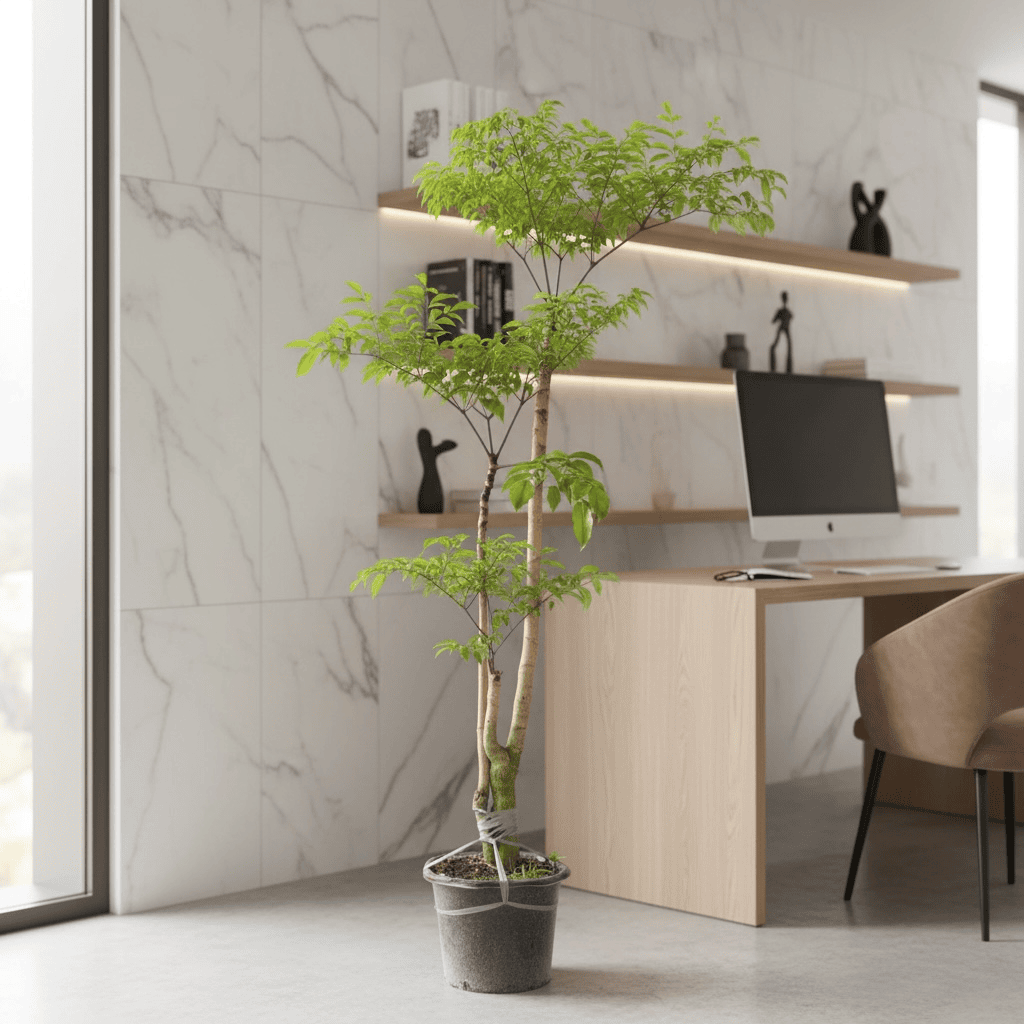
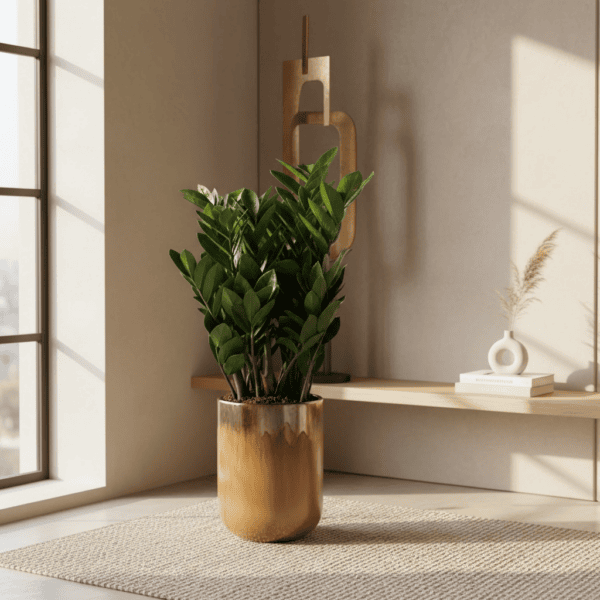
Shop this plant at PlantShop.hkA glossy, graceful small tree that brings fine green foliage into Hong Kong homes. The one rule that matters most: pick a spot and leave it there, because the China doll plant hates change.
LightBright diffused light; 1–2 m from an east or south window
WateringWater when top 1–2 cm is dry; every 5–7 days in spring/summer
Best spot in HKBright spot near a window, away from air-con vents
PetsNo significant toxicity; large amounts may upset the stomach
Care in a nutshell
To grow a China doll plant in Hong Kong, remember that its most important need is stability: choose a spot and leave it there, or it will drop leaves. It likes bright light but not direct sun, so a window with a sheer curtain is perfect; it needs at least 4–5 hours of bright light a day. Water on a regular schedule when the soil surface dries, but never let the pot sit in water, because root rot is serious trouble. Use a mix of 4 parts potting soil, 3 parts perlite or coarse sand, 2 parts coco coir and 1 part compost (pH 6.0–7.0). Growth stalls below 15°C, so on cold winter nights move it at least 30 cm from the window. If it does drop leaves, do not panic: prune the bare branches, water less, and wait patiently for new buds to emerge.
Shop · China Doll Plant (from HK$780)
Origin & characteristics
The China doll plant, Radermachera sinica, belongs to the trumpet vine family (Bignoniaceae), genus Radermachera. It is native to subtropical mountain regions of southern China (Guangdong, Guangxi, Yunnan, Guizhou) and Taiwan, growing in evergreen broadleaf forests or beside mountain streams at elevations of 300–1,700 metres. The genus name Radermachera commemorates 18th-century Dutch botanist Jacob Radermacher; the specific epithet sinica means "of China," indicating its origin.
In its native habitat, the China doll plant is an evergreen tree reaching 25–30 metres tall (some sources record heights up to 90 metres), with a straight trunk and grey-brown bark. Leaves are bipinnately compound — a highly divided structure where each leaf is composed of multiple leaflets arranged along secondary axes. The individual leaflets are oval to egg-shaped, thin yet leathery in texture, deep glossy green above and paler beneath, with a smooth silk-like feel. Flowers are white trumpet-shaped blooms with pale yellow or purplish-red stripes, emitting a sweet fragrance at night; fruit is a slender capsule containing thin winged seeds dispersed by wind.
As an indoor plant, the China doll is a relatively recent arrival that has rapidly gained popularity over the past decade thanks to its distinctive tree form and exquisite foliage. Indoor specimens are typically maintained at 1–2 metres tall with a compact, dense canopy. Side branches naturally divide to create a clearly layered conical or umbrella-shaped crown. The leaf sheen is particularly striking among foliage plants — under indoor lighting, the leaves appear almost crystalline in their emerald brilliance.
The China doll plant has one extremely important characteristic: it intensely dislikes environmental change. Shifts in light, temperature fluctuations, watering schedule alterations, or even simply moving it from the living room to the bedroom can trigger mass leaf drop. This "sensitive constitution" causes frustration for many novice gardeners — the plant looks lush and full when purchased, yet within days at home it becomes a bare stick. However, once you understand its needs and provide a stable environment, the China doll is actually a remarkably long-lived and beautiful indoor plant.
Light
The China doll plant requires ample bright diffused light. Ideal placement is 1–2 metres from an east- or south-facing window. It needs at least 4–5 hours of bright light daily to maintain compact form and glossy leaves. Under insufficient light, new leaves grow smaller, colour dulls, internodes stretch, and the canopy becomes loose; severe light deficiency triggers heavy leaf drop.
Hong Kong indoor placement recommendations:
- Best positions: Bright living room near windows, behind sheer curtains, office corners near windows
- Supplemental option: If natural light is inadequate, add full-spectrum grow lights operating 6–8 hours daily
The China doll can accept 1–2 hours of gentle morning or evening direct sun, but avoid summer midday intensity which scorches the thin-textured leaves. Newly purchased plants typically come from greenhouse environments with high humidity; place them initially in bright positions without direct sun for 1–2 weeks of acclimatisation before any position adjustment.
Do not move the plant frequently. Choose a suitable position and leave it there. If adjustment is necessary, do so gradually — moving a small distance each day to give the plant time to adapt.
Watering
The China doll plant follows the principle: "keep slightly moist, never waterlogged." Water when the top 1–2 cm of soil has dried; water until drainage flows from the bottom, wait 10 minutes, then empty the saucer. The China doll has limited drought tolerance — completely dry soil causes leaves to wilt and drop; but chronically wet soil causes root rot.
Seasonal adjustments:
- Spring/Summer (active growth): Approximately every 5–7 days, adjusted for pot size and ventilation. Active growth demands more water.
- Autumn/Winter (slow growth): Approximately every 7–10 days; water after the topsoil has dried.
- Humid spring fog / rainy season: Extremely high humidity slows soil drying; extend to every 10–14 days and ensure no saucer water accumulates.
A practical assessment method: insert your finger approximately 2 cm into the soil — if it feels moist, do not water; if slightly moist tending toward dry, water; if completely dry, water thoroughly as soon as possible. A soil moisture meter provides more precise guidance — readings below "4" indicate watering is needed.
Air-conditioned room note: Long-term air conditioning dries the air and accelerates soil moisture evaporation. Check soil more frequently and mist leaves lightly to raise humidity.
If the China doll drops leaves due to environmental change, immediately reduce watering to approximately one-third to one-half of normal — leaf loss dramatically reduces the plant's transpiration, and its water needs drop accordingly. Overwatering at this stage very easily causes root rot. Gradually resume normal watering frequency once new buds begin to emerge.
Soil & pot
The China doll plant needs well-drained, organically rich potting mix. Recommended formula: peat-free multipurpose potting mix 4 parts + perlite or coarse sand 3 parts + coir 2 parts + small amount of organic compost or slow-release fertiliser granules 1 part. This blend provides both drainage and moisture retention while supplying adequate nutrition. Ideal pH is slightly acidic to neutral (pH 6.0–7.0).
Pot selection:
- Material: Terracotta or concrete pots offer good breathability and weight that complements the China doll's tree form; plastic is lightweight but has poorer breathability, requiring stricter watering control.
- Drainage: The pot must have drainage holes, with a layer of clay pebbles as a drainage base.
- Size: The China doll actually prefers being slightly "crowded" — growth is more compact when roots are somewhat pot-bound. When repotting, upgrade only one size (3–5 cm larger diameter), typically every 2 years in spring.
The China doll plant is highly prone to leaf drop after repotting — this is normal "transplant shock." After repotting, place the plant in a cool, ventilated position, reduce watering, and avoid fertilising until new buds emerge, then resume normal care. If not absolutely necessary (for example, unless roots are severely pot-bound or soil is clearly degraded), consider a "soil change without pot change" strategy to minimise root disturbance.
Temperature & humidity
The China doll plant grows best at 18–24°C, which aligns well with Hong Kong indoor conditions. Its cold tolerance is limited — prolonged temperatures below 15°C stall growth, and below 10°C may cause cold damage and heavy leaf drop. Hong Kong winter indoor temperatures are generally not a concern, but note:
- Avoid cold drafts: Do not place the China doll beside air-con outlets, doorways, or positions with continuous fan airflow. Even warm air-conditioning airflow causes leaf moisture loss and dried leaf margins.
- Winter window positions: Nighttime temperatures beside windows may drop; on cold days move the plant at least 30 cm away from the glass.
- Temperature stability: Maintain stable temperatures; avoid day-night temperature swings exceeding 10°C.
For humidity, the China doll prefers higher humidity (50–60%+). Hong Kong summer humidity is usually adequate. During winter air conditioning or heating, consider:
- Light leaf misting in the morning (allowing leaves time to dry during the day)
- Pebble tray beneath the pot (water level below pot base)
- Grouping with other foliage plants to create a humid microclimate
- Using a humidifier (especially suitable for open-plan office environments)
Common problems
| Issue | Likely cause | What to do |
|---|---|---|
| Mass leaf drop, leaves suddenly yellowing and falling | Environmental change (moved position / repotted / temperature shock) | Maintain environmental stability; do not move again; reduce watering; prune bare branches back by one-third to one-half to stimulate new bud emergence |
| Leaf tips or edges turning brown and dry | Air too dry or cold draft exposure | Increase surrounding humidity (mist / pebble tray); move away from air-con outlets or fans |
| New leaves small, dull, lacking sheen | Insufficient light | Move to brighter position, or supplement with grow lights; rotate pot regularly for even light exposure |
| Leaves developing yellow spots or network patterns | Spider mite infestation | Wipe leaf undersides with damp cloth; raise humidity; for severe cases use neem oil or dedicated miticide |
| Stem base softening, entire plant wilting | Overwatering causing root rot | Stop watering immediately; unpot and inspect roots; trim rotted portions and replant in fresh mix; reduce watering frequency |
| Tree form becoming loose, branches leggy | Chronic low light or lack of pruning | Increase light; in spring prune overlong branches back by one-third to encourage side bud development; light pinching of terminal buds encourages branching |
Not sure your spot gets enough light, or something looks off? Send us a photo on WhatsApp 4492 9648 and we’ll take a look.
Questions people ask
Can a China doll plant grow indoors in Hong Kong?
Yes. Its ideal temperature of 18–24°C matches Hong Kong indoor conditions. Give it a bright spot near a window and keep it away from air-conditioning vents.
Why does my China doll plant keep dropping leaves?
The usual cause is change, such as moving it, repotting or a sudden temperature swing, though too little light or too much water can also be to blame. Keep conditions stable, water less, and resume normal watering once new buds appear.
How often should I water a China doll plant in Hong Kong?
Water when the top 1–2 cm of soil is dry: about every 5–7 days in spring and summer and every 7–10 days in autumn and winter. In very humid spells it can stretch to every 10–14 days.
Is the China doll plant safe for cats and dogs?
It has no significant toxicity, but eating large quantities of leaves may cause mild digestive upset, so keep it where pets cannot easily reach.
Fun facts
The China doll plant's English common name "China Doll" comes from its exquisite glossy leaves and compact, elegant tree form, resembling a delicate Oriental doll. Though carrying an exotic romanticism, the name is fitting — the China doll truly does require the careful handling one would give fine porcelain, especially given its extreme sensitivity to environmental change.
In botanical taxonomy, the China doll belongs to Bignoniaceae — a large family famous for spectacular flowering trees, including flame vine (Pyrostegia venusta), jacaranda (Jacaranda mimosifolia), and pink trumpet tree (Tabebuia rosea). The China doll's relatives are mostly brilliant tropical flowering trees, yet the China doll itself is valued for foliage — in Hong Kong's indoor environment, it almost never flowers.
The Royal Horticultural Society (RHS) recommends growing the China doll in peat-free multipurpose potting mix with added sand or perlite for improved drainage. This reflects the British horticultural community's commitment to sustainable cultivation — peat bogs are important carbon sinks, and peat harvesting releases substantial carbon dioxide. Hong Kong gardeners can follow this lead by choosing coir, coconut husk fibre, and other alternative materials.
The China doll has a horticultural cultivar 'Danielle' with denser, more compact foliage than the species, rounder individual leaflets, and a more refined overall form — a popular improved variety in recent years. In the Hong Kong market, the distinction between 'Danielle' and the species is not always obvious; ask shop staff when purchasing.
References (expand to view sources)
References
- RHS. Radermachera sinica – Asian bell tree. https://www.rhs.org.uk/plants/106221/radermachera-sinica/details
- Gardening Know How. How To Care For A China Doll Plant. https://www.gardeningknowhow.com/houseplants/china-doll/radermachera-sinica.htm
- UK Houseplants. The Ultimate Guide for Radermachera (China Dolls). https://www.ukhouseplants.com/plants/radermachera-china-dolls
- Healthy Houseplants. China Doll (Radermachera sinica) Plant Care. https://www.healthyhouseplants.com/china-doll-radermachera-sinica-care-what-to-know/
- Hong Kong Agriculture, Fisheries and Conservation Department. Hong Kong Herbarium. https://www.herbarium.gov.hk/
- Flora of China. Radermachera sinica (Hance) Hemsl. http://www.efloras.org/florataxon.aspx?flora_id=2&taxon_id=200021609
⚠️ Pet / toxicity: The China doll plant has no significant toxicity to cats and dogs, but ingesting large quantities of leaves may cause mild digestive upset. Pet owners should place the plant in positions not easily accessible to pets.
Shop at Plantshop
View all Plants →
For Hong Kong homes and offices. Stock and pricing follow the product page.
FAQs
Origin & characteristics
The China doll plant, Radermachera sinica, belongs to the trumpet vine family (Bignoniaceae), genus Radermachera. It is native to subtropical mountain regions of southern China (Guangdong, Guangxi, Yunnan, Guizhou) and Taiwan, growing in evergreen broadleaf forests or beside mountain streams at elevations of 300–1,700 metres. The genus name Radermachera commemorates 18th-century Dutch botanist Jac
Watering
The China doll plant follows the principle: "keep slightly moist, never waterlogged." Water when the top 1–2 cm of soil has dried; water until drainage flows from the bottom, wait 10 minutes, then empty the saucer. The China doll has limited drought tolerance — completely dry soil causes leaves to wilt and drop; but chronically wet soil causes root rot.
Soil & pot
The China doll plant needs well-drained, organically rich potting mix. Recommended formula: peat-free multipurpose potting mix 4 parts + perlite or coarse sand 3 parts + coir 2 parts + small amount of organic compost or slow-release fertiliser granules 1 part. This blend provides both drainage and moisture retention while supplying adequate nutrition. Ideal pH is slightly acidic to neutral (pH 6.0
Temperature & humidity
The China doll plant grows best at 18–24°C, which aligns well with Hong Kong indoor conditions. Its cold tolerance is limited — prolonged temperatures below 15°C stall growth, and below 10°C may cause cold damage and heavy leaf drop. Hong Kong winter indoor temperatures are generally not a concern, but note:
