



Every March or April, Hong Kong submits to something locals know in their skin: the sticky humidity of nam yee. Walls sweat. Floors stay perpetually damp. Clothes refuse to feel dry. And somewhere in the corner of your living room or office, your plants are navigating their own version of the same pressure.
The humid season presents specific challenges for indoor plants — and generates specific mistakes in response. Here’s what’s happening and what to do about it.
What Happens to Plants During Nam Yee? — humid weather plant care hong kong
The combination of high ambient humidity (often above 90%) and poor air circulation creates conditions where:
Soil stays saturated for much longer than usual. A pot that dries in seven days in October may take fourteen or more in March. People watering on a fixed schedule don’t notice this — and continue on the same cadence — leading to chronically oversaturated soil and root rot.
Fungal problems increase. Warm, humid, poorly ventilated conditions are ideal for mould, mildew, and fungal disease. The first signs are usually white powdery patches on leaves or soil, or dark spots developing on leaf surfaces.
Humidity-loving pests thrive. Fungus gnats — those tiny flies that appear to materialise from nowhere — breed in moist soil. Spider mites, by contrast, prefer dry conditions; you may notice a welcome reduction in those, while fungus gnats emerge as a new complication.
Leaves can look worse even when the plant itself is fine. High humidity causes moisture to condense on leaf surfaces. Near a wall or in a dim corner, this encourages leaf spot disease. The plant isn’t stressed; it needs better airflow.
What to Do
Stop watering on autopilot. The finger test matters more during humid season than at any other point in the year. Push your finger 2cm into the soil before every watering. If there’s any moisture at all, wait. Underwatering is almost never the problem during nam yee.
Improve air circulation. A small desk fan placed near plants — not aimed directly at them, but moving the air in the general area — significantly reduces fungal risk and helps soil dry at a normal rate. Opening windows on the occasional dry day achieves the same effect.
Check for fungus gnats. Tiny flies hovering near the pots are almost certainly fungus gnats. Their larvae live in the top layer of moist soil and damage roots. The most effective solution: let the top 3–4cm of soil dry out completely before watering. This breaks the breeding cycle. Sticky yellow traps catch the adults in the meantime.
Skip fertilising during prolonged damp spells. Plants aren’t actively growing during the deepest wet season periods — they’re managing humidity stress. Hold off until conditions improve and new growth appears.
Don’t move plants impulsively to “sunnier” spots. Inconsistent placement stresses plants. If the existing position has adequate light and airflow, leave them in it.
For Plants That Are Particularly Humidity-Sensitive
Fiddle-Leaf Figs are vulnerable to leaf spot during humid season — wipe leaves dry if condensation appears. Avoid wetting the leaves at all during this period. Succulents and cacti need even less water than usual; their soil barely dries. Keep them near a window where airflow is better. Snake Plants and ZZ Plants are largely unbothered by nam yee — they’ll manage the damp without drama.
The Good News
Most Hong Kong indoor plants are either tropical species already adapted to humidity, or resilient enough to handle the conditions with minor adjustments. The wet season doesn’t require panic — just a recalibrated watering schedule and more attention to airflow. Plant owners who’ve navigated a few nam yee seasons develop good instincts automatically. You stop watering when the calendar says so and start watering when the soil needs it. That adjustment alone prevents the majority of wet season plant losses.
Every PlantShop plant comes with a care card that includes seasonal guidance. Questions during nam yee? WhatsApp us — a real person will help you work out what’s happening and what to do.
Related Products
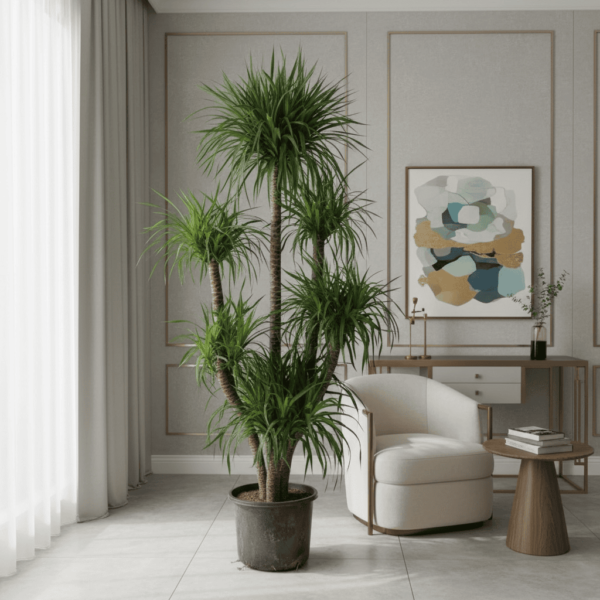
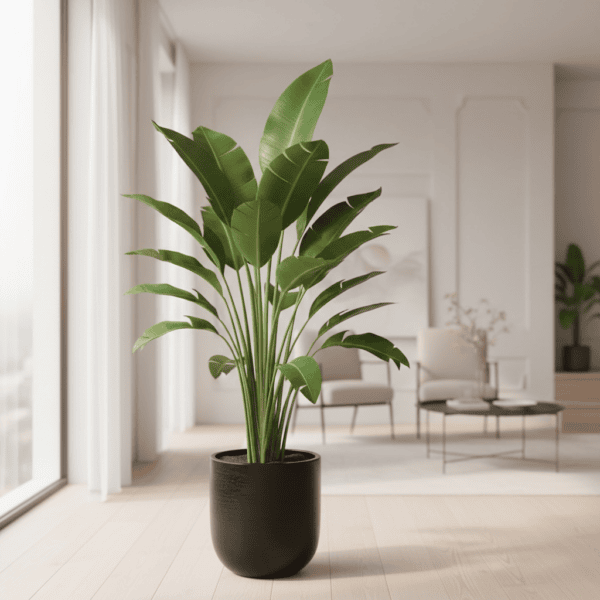
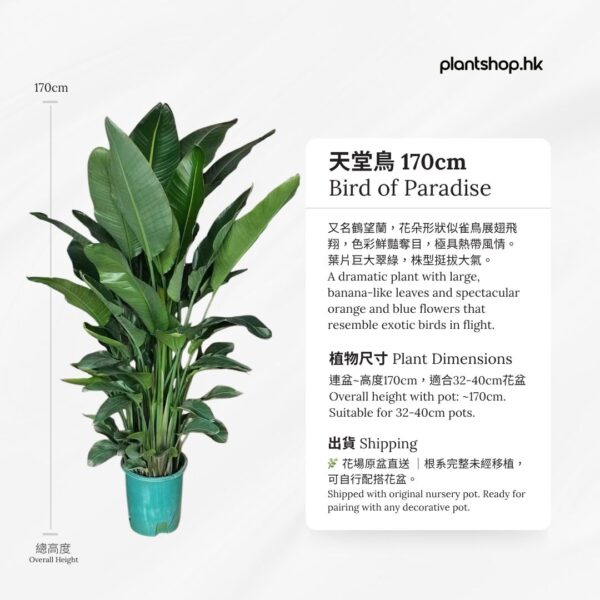
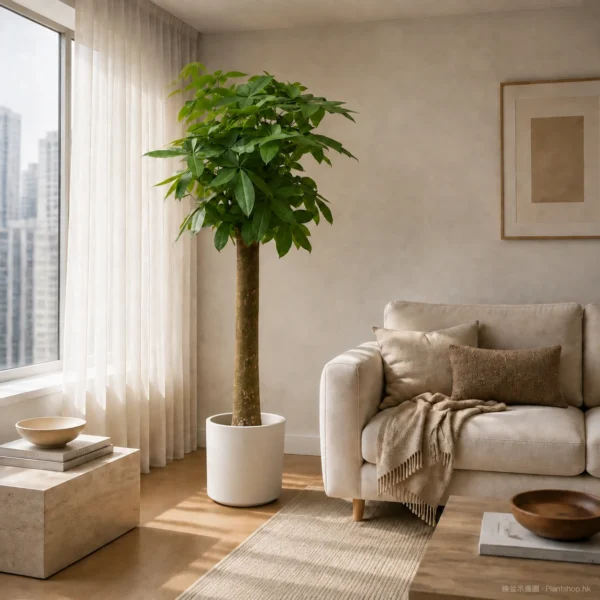
Below are the plants mentioned in this article, available for direct purchase. Each pot comes with a personalized care card and WhatsApp support:



7-day health guaranteeFree delivery over HK$1,500WhatsApp help from a real person
FAQs
What Happens to Plants During Nam Yee?
The combination of high ambient humidity (often above 90%) and poor air circulation creates conditions where:
What to Do
Stop watering on autopilot. The finger test matters more during humid season than at any other point in the year. Push your finger 2cm into the soil before every watering. If there's any moisture at all, wait. Underwatering is almost never the problem during nam yee.
For Plants That Are Particularly Humidity-Sensitive
Fiddle-Leaf Figs are vulnerable to leaf spot during humid season — wipe leaves dry if condensation appears. Avoid wetting the leaves at all during this period. Succulents and cacti need even less water than usual; their soil barely dries. Keep them near a window where airflow is better. Snake Plants and ZZ Plants are largely unbothered by nam yee — they'll manage the damp without drama.
The Good News
Most Hong Kong indoor plants are either tropical species already adapted to humidity, or resilient enough to handle the conditions with minor adjustments. The wet season doesn't require panic — just a recalibrated watering schedule and more attention to airflow. Plant owners who've navigated a few nam yee seasons develop good instincts automatically. You stop watering when the calendar says so and
