



Plantshop.hk · Care Encyclopedia
How to Care for Balcony Garden Collection in Hong Kong
From HK$2,380 · Hong Kong delivery
Hong Kong care guide — useful before you buy and after it arrives.
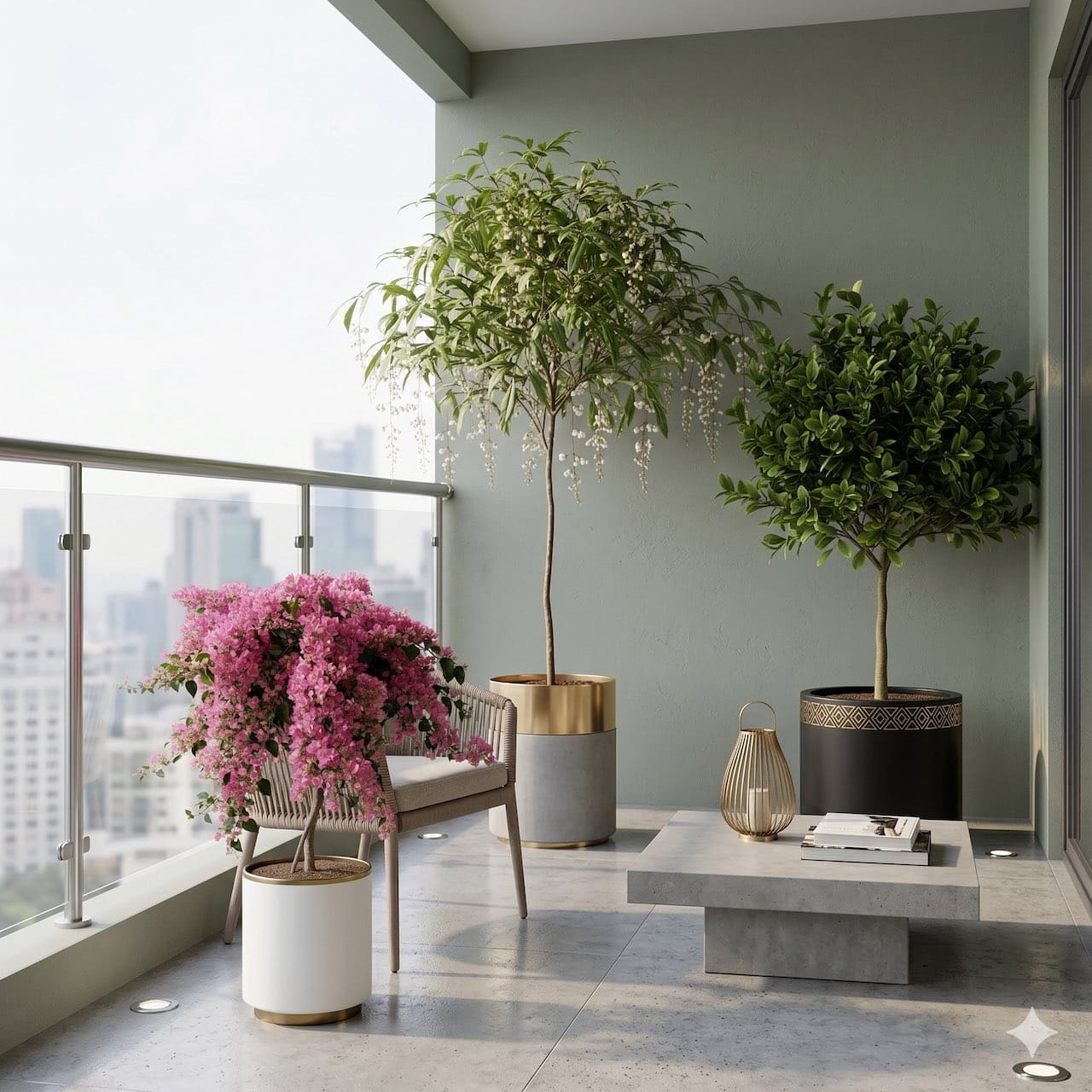
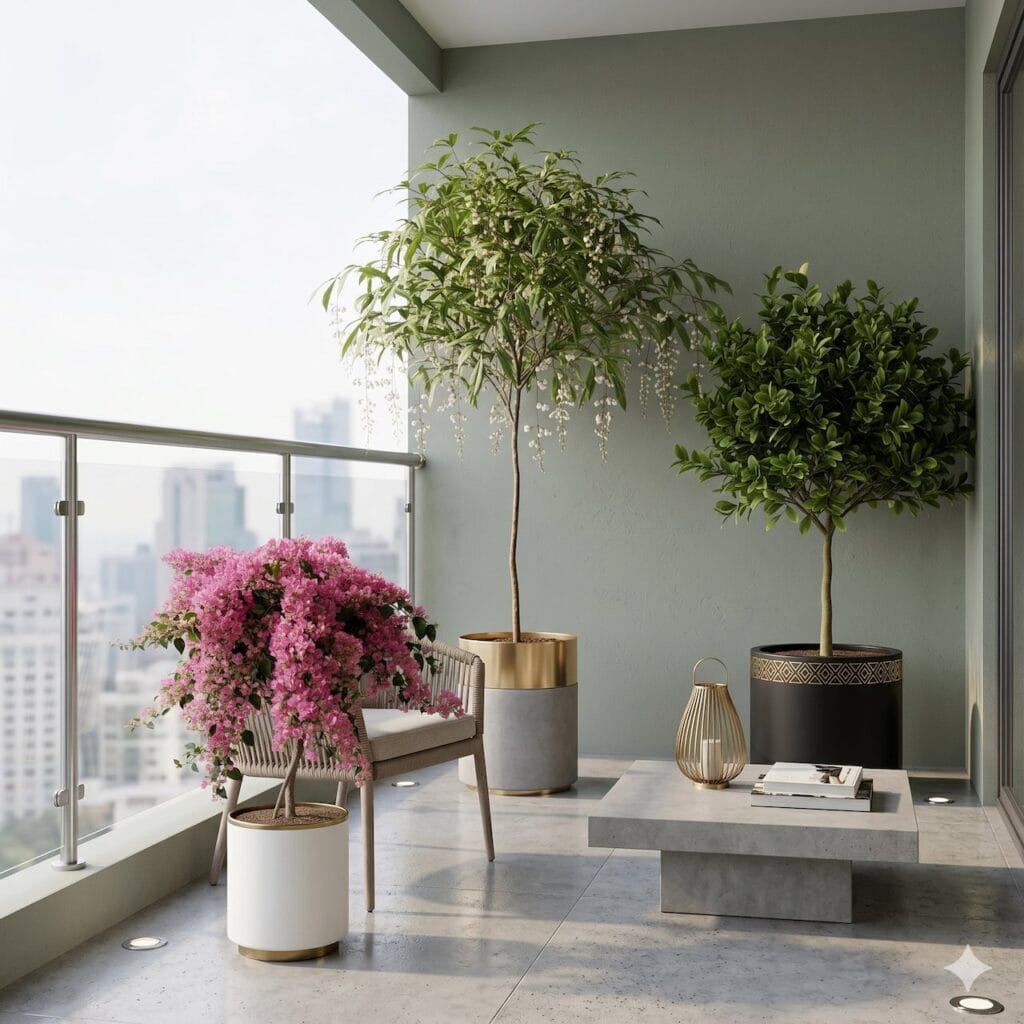
Shop this plant at PlantShop.hkA flowering plant collection designed for Hong Kong's compact balconies, bringing year-round colour to your home. The one rule that matters most: match the plants to the sun your balcony actually gets.
LightSouth: full sun; east: morning sun; west: shade at midday
WateringWater when top 2–3 cm is dry; never leave water standing
Best spot in HKSunny south-facing balcony; light walls add reflected light
PetsSome blooms (vinca, lantana) are toxic to cats & dogs
Care in a nutshell
To grow a flowering balcony collection in Hong Kong, start by checking which way your balcony faces and how many hours of direct sun it gets. Water when the top 2–3 cm of soil is dry, and make sure every pot has drainage holes — Hong Kong summers are humid enough for standing water to rot roots quickly. Feed lightly every two weeks from spring to early autumn, switching to a bloom booster for flowering. The varieties in the collection change with the seasons, so your balcony stays in colour all year; ask us on WhatsApp what is in it right now.
Shop · Balcony Garden Collection (from HK$2,380)
Origin & characteristics
The Balcony Garden Collection is a thoughtfully designed flowering plant set created specifically for Hong Kong's urban residential environment. Space is precious in this city — most homes have small balconies with limited sun exposure, and residents must contend with scorching humid summers, occasional typhoons, and unpredictable winter cold snaps. This collection addresses all of these challenges, allowing anyone to enjoy the rewards of growing flowers in even the most constrained outdoor spaces.
The core design concept is "layered planting with seasonal succession." Rather than relying on a single plant that flowers briefly and then fades, this collection combines species of different heights and staggered blooming periods so that your balcony displays colour throughout the year. The specific varieties included are adjusted seasonally by our team to ensure you receive plants at their peak performance and visual appeal.
Hong Kong sits within the humid subtropical climate zone, with long, hot, wet summers and short, mild winters. The annual average temperature is approximately 23°C. These conditions favour a wide range of flowering plants, particularly those native to tropical and subtropical regions of Southeast Asia and South America. The species selected for this collection originate primarily from these regions and, with appropriate care, thrive in Hong Kong's distinctive climate.
Beyond the visual spectacle of colourful blooms, this collection emphasises sensory engagement — some varieties offer delicate fragrance, while others feature interesting tactile foliage or textured bark. The result is a genuine retreat: a place to enjoy your morning coffee while admiring dewdrops on petals, or to unwind in the evening with the scent of jasmine on the breeze. Research has shown that urban green spaces provide valuable habitat and food sources for pollinators including bees and butterflies (Matteson et al., 2008), meaning your balcony garden contributes to Hong Kong's urban biodiversity in a small but meaningful way.
Light
Successful balcony gardening begins with understanding your balcony's orientation and how much direct sunlight it receives.
Hong Kong balcony orientation guide:
| Facing | Light level | Best for |
|---|---|---|
| South | Full sun (6+ hours) | Sun-loving bloomers like hibiscus, lantana, bougainvillea. Use 50% shade cloth during summer midday (11am–2pm) |
| East | Morning sun, afternoon shade | Partial-sun varieties like vinca, dwarf ixora, begonias. Gentle morning light promotes flowering without scorching |
| West | Intense afternoon sun | Heat-tolerant species like portulaca, lantana, crape myrtle. Ensure pots don't overheat; use insulation mats if needed |
| North | Shade to partial shade | Shade-tolerant bloomers like African violet, gloxinia, peace lily. Consider grow lights for 4–6 hours daily |
Layering for maximum light and visual impact: Place taller plants at the back or against the wall, medium-height plants in the middle, and trailing or cascading varieties at the front or in railing-mounted planters. This tiered arrangement ensures every plant receives adequate light while creating a rich, three-dimensional display. Proper spacing also promotes airflow between plants, reducing pest and disease pressure.
Reflection trick for small balconies: Light-coloured walls, floors, and surfaces reflect sunlight back onto your plants, increasing the available light by an estimated 15–30% (Faust, 2011). Hanging a white canvas or laying a pale mat on your balcony floor can make a noticeable difference to plant health and flowering.
Watering
Flowering plants generally follow the "water when dry, water thoroughly" rule, but Hong Kong's variable climate demands seasonal awareness.
Seasonal watering guide:
| Season | Frequency | Key considerations |
|---|---|---|
| Spring (Mar–May) | Every 2–3 days | Rising temperatures activate growth; keep soil lightly moist |
| Summer (Jun–Aug) | Daily or every other day | High evaporation; water early morning or evening, never at midday. Check drainage after typhoons |
| Autumn (Sep–Nov) | Every 3–4 days | Gradually reduce as temperatures cool; plants slow their growth |
| Winter (Dec–Feb) | Every 5–7 days | Most flowering plants are semi-dormant; keep soil slightly dry to prevent root rot |
The finger test: Insert your finger 2–3 cm into the soil. If it feels dry, water; if still moist, wait. A simple soil moisture meter can also help, particularly for beginners.
Watering technique:
- Water slowly around the edge of the pot, avoiding wetting the flowers and leaf centres, which reduces fungal disease risk
- Water until it flows from the drainage holes — this ensures the entire root zone is moistened
- Empty the saucer promptly; never let pots sit in standing water
- Use room-temperature water; cold water can shock the roots
- Evening foliar misting can cool plants during summer heatwaves, but ensure leaves dry before nightfall
Water quality: Hong Kong tap water contains chlorine that may affect sensitive flowering plants. Let tap water stand for 24 hours before use, or collect rainwater. Rainwater is naturally slightly acidic (pH ~5.6) and contains traces of dissolved nitrogen — ideal for most flowering plants (Mireles et al., 2022).
Soil & pot
Recommended soil mix: Flowering plants need loose, well-draining, organically rich soil:
- Quality potting mix (or coco coir with perlite): 60%
- Well-rotted compost or worm castings: 20%
- Perlite or coarse sand: 15%
- Vermiculite (for moisture retention): 5%
This blend balances water retention, aeration, and nutrition. Coco coir (cocopeat), a byproduct of coconut processing, is an environmentally sustainable alternative to peat moss with excellent water-holding capacity (Abad et al., 2002). Perlite and coarse sand ensure rapid drainage, which is essential for preventing root rot in Hong Kong's humid climate.
Pot selection:
- Terracotta: Best breathability and drainage, but heavy and fragile
- Plastic: Lightweight, durable, and moisture-retentive; ideal for windy high-rise balconies
- Cement: Fashionable and stable, but very heavy — ensure your balcony can support the weight
- Size: Choose a pot 1–2 sizes larger than the root ball to allow room for growth. Oversized pots stay wet too long; undersized pots restrict root development
- Drainage: Essential — every pot must have drainage holes. If you fall in love with a decorative pot without holes, use the "cachepot" method: plant in a plastic liner with holes, then place this inside the decorative outer pot, remembering to empty any standing water after watering
- Colour: Light-coloured pots reflect heat (better for summer); dark pots absorb heat (helpful in winter but risk overheating in summer)
Repotting: Repot annually in spring (March–April) with fresh soil. Check the root system — if roots are circling the pot (root-bound), move up to the next pot size. After repotting, keep plants in a sheltered position for 3–5 days while they adjust.
Temperature & humidity
Hong Kong's annual average temperature is approximately 23°C, with summer highs of 31–33°C and winter lows of 14–16°C. Most flowering plants prefer 18–28°C, making our climate broadly suitable.
Summer management:
- Above 33°C, some flowering plants enter "heat dormancy" and stop blooming. Move them to a shadier spot and ensure good ventilation
- High-rise balconies are windy and soil temperatures can soar. Mulching the soil surface with bark chips or coconut husk can reduce soil temperature by 2–4°C while conserving moisture
- Typhoon season (July–September): Move lightweight pots indoors or against a wall; secure taller plants with stakes
Winter management:
- Hong Kong rarely experiences extreme cold, but the New Territories and high-rise flats occasionally see 5–8°C during cold surges. Move tropical flowering plants (hibiscus, lantana) indoors or cover with horticultural fleece before cold snaps
- Winter-flowering plants (Christmas cactus, kalanchoe) need cooler temperatures (10–15°C) to initiate flower buds — don't place them near heaters
Humidity:
- Hong Kong's relative humidity typically ranges 70–90%, which is ideal for most flowering plants but can encourage fungal diseases. Ensure good air circulation and space plants at least 15 cm apart
- In air-conditioned rooms, humidity drops to 40–50%. If moving flowering plants indoors during summer, place water trays nearby or use a small humidifier
- Tropical rainforest-origin flowering plants (some begonias) appreciate higher humidity; mist the surrounding air regularly
Common problems
| Issue | Likely cause | What to do |
|---|---|---|
| Few or no flowers | Insufficient light, excess nitrogen, incorrect pruning | Move to a brighter position; switch to high-phosphorus fertiliser (e.g., 10-30-20); deadhead spent blooms promptly |
| Flower buds drop before opening | Temperature fluctuations, inconsistent watering, physical disturbance | Avoid moving pots frequently; maintain steady watering; protect from cold drafts |
| Yellowing leaves | Overwatering / root rot, nutrient deficiency, natural ageing | Check drainage; fertilise appropriately; remove only old bottom leaves |
| Scorched flower petal edges | Intense sun, dehydration, fertiliser burn | Provide midday shade in summer; water consistently; apply fertiliser at reduced strength |
| Elongated stems with few flowers | Too little light, too much nitrogen | Increase sun exposure or add grow lights; switch to flowering-specific fertiliser |
| Tiny black flying insects | Fungus gnats breeding in overly wet soil | Reduce watering, let surface soil dry between waterings; cover soil surface with sand or fine gravel |
Not sure your spot gets enough light, or something looks off? Send us a photo on WhatsApp 4492 9648 and we’ll take a look.
Questions people ask
Can I grow a flowering plant collection on a small Hong Kong balcony?
Yes. The collection is designed for compact, sun-limited Hong Kong balconies, combining plants of different heights and staggered flowering times so there is colour all year.
What soil should I use for balcony flowering plants?
A loose, well-draining, organically rich mix: quality potting mix (or coco coir with perlite) 60%, well-rotted compost or worm castings 20%, perlite or coarse sand 15% and vermiculite 5%.
Can flowering balcony plants survive a Hong Kong summer?
Mostly, yes. Hong Kong averages about 23°C a year, with summer highs of 31–33°C and winter lows of 14–16°C; most flowering plants prefer 18–28°C. Above 33°C some flowers go into heat dormancy and stop blooming, so move them somewhere shadier with good airflow, and water early morning or evening.
Are balcony flowering plants safe for cats and dogs?
Not always. Some, such as vinca and lantana, are toxic to cats and dogs if eaten, so keep them out of reach. Ask us on WhatsApp if you would like pet-safe alternatives.
Fertiliser guide
Flowering plants have higher nutritional demands than foliage plants, particularly for phosphorus (P) and potassium (K), which are essential for bud initiation and bloom development.
Principle: "Little and often" — apply dilute fertiliser at regular intervals rather than heavy doses infrequently.
Schedule:
- Growing season (spring through early autumn): Every 2 weeks with balanced liquid fertiliser (e.g., 20-20-20 at half strength), alternating with a bloom booster high in phosphorus and potassium (e.g., 10-30-20)
- During flowering: Continue with bloom booster to support repeat blooming
- After flowering: Cut back spent blooms, then apply balanced fertiliser to help the plant recover
- Winter: Most flowering plants slow down; pause fertilising or apply at greatly reduced frequency
- Organic options: Worm compost tea, diluted seaweed extract, and composted poultry manure are excellent natural choices
Foliar feeding: For plants with weak root systems or those in active bloom, dilute liquid fertiliser can be sprayed directly onto leaf undersides for rapid nutrient uptake. Apply in the evening to avoid leaf burn from sunlight.
Fun facts
Flowering is, from the plant's perspective, a survival strategy rather than a gift to human eyes. The colours, shapes, and fragrances of flowers have evolved over millions of years to attract specific pollinators. Red flowers typically attract birds (birds are particularly sensitive to red), while white or pale flowers that open at night attract moths and bats. Purple and blue flowers mostly attract bees — but bees see the world very differently from humans. They can detect ultraviolet light, and many flowers display hidden "nectar guides" under UV light — patterns that function like airport runway lights, guiding bees precisely to the nectar source (Kevan et al., 2001). Next time you admire your balcony blooms, try to imagine the fantastical world a bee sees!
Research has also discovered that bees possess "floral memory" — they can remember locations where they found abundant nectar and will return to those spots even after considerable time has passed (Menzel, 2001). Your balcony garden might just become a favourite restaurant for the local bee population, contributing to urban pollination networks in a city where green space is increasingly scarce.
References (expand to view sources)
References
- Matteson, K.C., Ascher, J.S. & Langellotto, G.A. (2008). Bee richness and abundance in New York City urban gardens. Annals of the Entomological Society of America, 101(1), 140–150.
- Faust, J.E. (2011). Light. In: Greenhouse Operation and Management (7th ed.). Pearson Education.
- Mireles, C.R., van Iersel, M.W. & Chappell, M.R. (2022). Effects of water quality on plant growth and mineral nutrition. Horticulturae, 8(3), 215.
- Abad, M., Noguera, P. & Bures, S. (2002). National inventory of organic wastes for use as growing media for ornamental potted plant production. Bioresource Technology, 77(2), 197–200.
- Kevan, P.G., Chittka, L. & Dyer, A.G. (2001). Limits to the salience of ultraviolet: lessons from colour vision in bees and birds. Journal of Experimental Biology, 204(14), 2571–2580.
- Menzel, R. (2001). Behavioural and neural mechanisms of learning and memory as determinants of flower constancy. Ecological Entomology, 26(4), 377–382.
- Missouri Botanical Garden (2023). Plant Finder – Ornamental Plants for Subtropical Climates. https://www.missouribotanicalgarden.org
- Royal Horticultural Society (2023). Container Gardening Guide. https://www.rhs.org.uk
⚠️ Pet / toxicity: Some flowering plants commonly used in balcony collections (such as vinca and lantana) are toxic to cats and dogs if ingested. If you share your home with pets, position plants out of reach or ask us on WhatsApp to recommend pet-safe alternatives for your balcony garden.
Shop at Plantshop
View all Bundle Deals →


For Hong Kong homes and offices. Stock and pricing follow the product page.
FAQs
Origin & characteristics
The Balcony Garden Collection is a thoughtfully designed flowering plant set created specifically for Hong Kong's urban residential environment. Space is precious in this city — most homes have small balconies with limited sun exposure, and residents must contend with scorching humid summers, occasional typhoons, and unpredictable winter cold snaps. This collection addresses all of these chal
Watering
Flowering plants generally follow the "water when dry, water thoroughly" rule, but Hong Kong's variable climate demands seasonal awareness.
Soil & pot
Recommended soil mix: Flowering plants need loose, well-draining, organically rich soil:
Temperature & humidity
Hong Kong's annual average temperature is approximately 23°C, with summer highs of 31–33°C and winter lows of 14–16°C. Most flowering plants prefer 18–28°C, making our climate broadly suitable.
