



Mong Kok Flower Market is one of those Hong Kong experiences that doesn’t translate well in description — narrow streets, dozens of shops compressed together, plants in every scale stacked against every available surface, owners calling out in Cantonese, the faint scent of wet soil threading through the air. If you’ve never bought a large plant before, it can feel disorienting. This guide is for first-timers: how to prepare, what to look for, what to ask, and how to avoid arriving home with a plant that’s already in decline.
Before You Go: Know Your Light The most common beginner mistake is choosing a plant you’re drawn to, then discovering it needs full sun when your flat faces north. Before you leave: Identify which direction your windows face (use your phone compass if needed) Note roughly how many hours of direct or indirect light the intended spot receives per day If the spot is dim (under 2 hours of useful light), you’re limited to truly shade-tolerant species If the spot has good light (near an east or south-facing window), your options open considerably
At the Market: How to Inspect a Plant
Once you’re there, run this checklist before any money changes hands:
Check the leaves: Colour should be vibrant and consistent — not yellowing or patchy. Texture should feel firm and slightly springy, not soft, thin, or papery. Flip a leaf and inspect the underside for fine dots, webbing, or sticky residue (signs of spider mites or scale). Any holes that don’t match the natural pattern of the species are a warning.
Check the stem: Should be firm and upright — not soft, mushy, or darkened at the base. Soft or dark stems at soil level almost always mean root rot is already present.
Check the soil: Should smell neutral or earthy — any foul or sour note suggests rot. It shouldn’t be waterlogged (heavy, compacted, surface staying wet), and it shouldn’t have white fluffy mould on the surface.
If a plant has yellowing leaves concentrated at the base combined with saturated soil, put it back. That’s a plant already in decline — it will worsen once you move it.
What to Ask (and How to Ask It) Every stall owner will say “easy to take care of!” regardless of what you’re holding. These questions yield more useful answers: “How much light does this plant need?” (Rather than “is it easy to care for?”) “How often should I water it?” (Ask for a specific answer — “when the soil is dry” or “every X days”) “Will it be fine indoors?” (Some plants that look compelling are outdoor species)
“Is it toxic to pets?” (Essential if you have cats or dogs)
On price and negotiation: — first time plant buyer hong kong
Flower Market prices are generally fair. If you’re buying multiple plants from one stall, asking for a small discount is entirely normal. Don’t negotiate aggressively — these are independent businesses — but a polite “if I take two, is there any flexibility?” is appropriate.
Comparing across stalls:
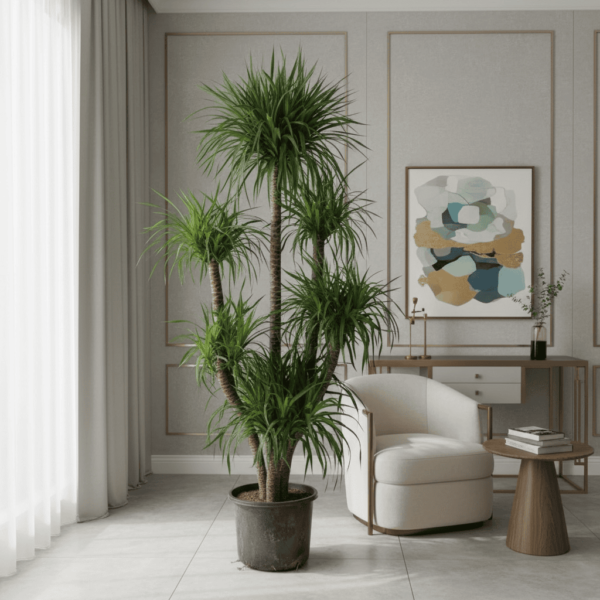
The same species at different stalls can vary considerably in quality. Walk the whole street before committing. A Madagascar Dragon Tree that costs HK$100 less at one stall might have a fraction of the root health of one at the next shop. Compare leaf density, stem firmness, the overall presence of the plant. A healthy specimen looks alive.
Getting It Home Most stalls will wrap the plant in newspaper or plastic for transport. For anything over one metre, think through your route before you buy — a large plant on the MTR is manageable but requires planning. Many shops offer delivery for a fee, or free delivery above a certain purchase value. Ask before you pay.
When you arrive home, don’t repot immediately. Give the plant 1–2 weeks to settle into its new environment before changing anything else. Moving is already stressful; repotting at the same time compounds the shock.
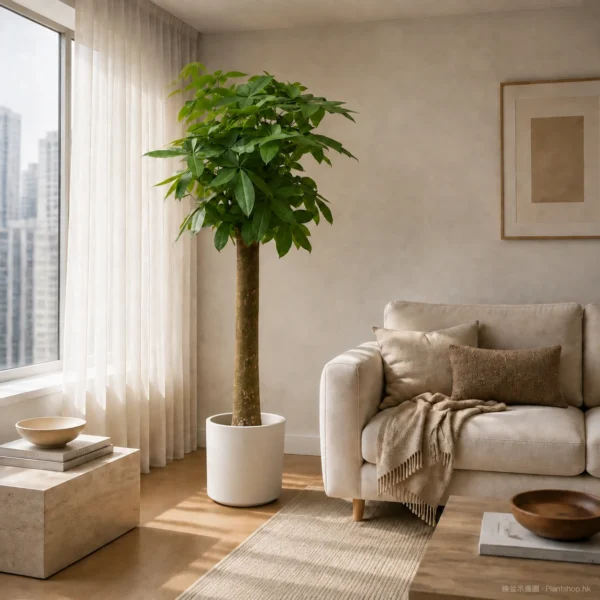
One Last Thing: Don’t Be Afraid to Skip the Market If browsing the Flower Market feels like too much, or if you want assurance that a plant has been properly inspected before arriving at your door, we’re the alternative. PlantShop specialises in 130–180cm large plants — Dragon Trees, Money Trees, Fiddle-Leaf Figs, and more. Every plant is hand-selected by our team for healthy roots and good form. Each comes with a detailed, personalised care card. Questions? Reach us on WhatsApp for a real-human reply.
Related Products
Below are the beginner-friendly plants mentioned in this article, available for direct purchase:





FAQs
On price and negotiation:
Flower Market prices are generally fair. If you're buying multiple plants from one stall, asking for a small discount is entirely normal. Don't negotiate aggressively — these are independent businesses — but a polite "if I take two, is there any flexibility?" is appropriate.
Comparing across stalls:
The same species at different stalls can vary considerably in quality. Walk the whole street before committing. A Madagascar Dragon Tree that costs HK$100 less at one stall might have a fraction of the root health of one at the next shop. Compare leaf density, stem firmness, the overall presence of the plant. A healthy specimen looks alive.
Related Products
Below are the beginner-friendly plants mentioned in this article, available for direct purchase:
