



Office Plant Placement Mistakes to Avoid — These Positions Really Don't Work — office plant feng shui taboos
The moment feng shui enters a conversation, a certain scepticism tends to surface — all those taboos, all those warnings about bad energy. But look closely, and almost every placement prohibition has a perfectly rational explanation behind it. People noticed plants kept dying in specific positions. They documented what they observed. What accumulated over generations is, in many cases, sound practical guidance dressed in metaphysical language.
Five Plant Placement Positions to Reconsider
Near the Washroom — Damp and Lightless
Traditional feng shui: Washrooms carry heavy moisture that drains a plant’s vitality.
The real reason: High humidity, chronic low light, and poor air circulation combine to induce root rot and mould in most foliage plants. It is one of the most difficult positions in any interior to keep a plant alive.
Solutions: If a touch of green near the bathroom is non-negotiable, choose specimens engineered for these conditions:
– Snake Plant (Sansevieria) — shade-tolerant to a remarkable degree, adaptable to variable humidity
– Aloe Vera — accommodates both dry and humid environments with equanimity
Ensure ventilation is active; the plants will register the difference.
Under a Structural Beam — Spatial Compression
Traditional feng shui: Beams press down from above, suppressing fortune.
The real reason: Beam positions tend to be dimmer and carry a psychological heaviness. Air conditioning condensation can also drip from beams and saturate the soil of anything placed directly beneath.
Solutions: If a plant must occupy this position, hanging Ivy draws the eye upward and softens the oppressive geometry. Supplement with a grow light to compensate for lost lumens. And, practically: if sitting under a beam makes you physically uncomfortable, adjust the arrangement — the wellbeing of the people in the space matters more than filling a corner.
Directly Facing an Air Conditioning Vent — Thermal Extremes
Traditional feng shui: Strong airflow disperses wealth energy.
The real reason: The combined assault of temperature fluctuation and desiccating air causes leaves to lose moisture rapidly. Yellowing margins and curling tips are the visible result. No mysticism required.
Solutions: Relocate plants at least one metre from the vent. A low cabinet or partial screen creates a buffer zone. Mist regularly — Hong Kong’s air conditioning reduces indoor humidity to near-arid levels that most indoor plants find hostile.
Cluttered Areas — Inadequate Airflow and Habitual Neglect
Traditional feng shui: Clutter obstructs the flow of energy.
The real reason: Cluttered corners are corners that get forgotten. Irregular watering, insufficient light, and a tendency for standing water to accumulate in cramped positions create conditions that suit pests far more than plants.
Solutions: Clear the space first, then introduce the plant. Establish a maintenance routine. Keep the surrounding area edited — a tidy setting elevates the plant’s presence and, incidentally, the mood of anyone who glances at it.
Facing a Sharp Structural Corner — Persistent Visual Discomfort
Traditional feng shui: Sharp corners carry sha energy that undermines health.
The real reason: Sitting directly in the sightline of a sharp edge the corner of a cabinet, a desk, a partition wall creates a low level, persistent sense of being aimed at. Environmental psychology has documented this as a genuine source of ambient stress.
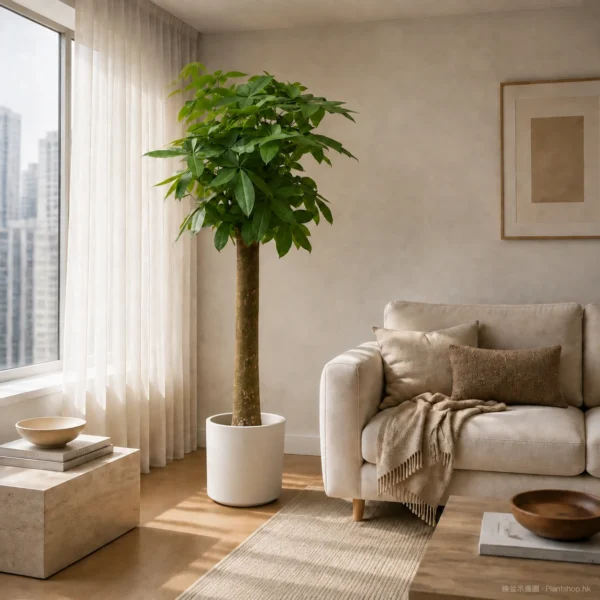
Solutions: Position a broad-leaved specimen such as a Money Tree between the sharp corner and the seat as a visual buffer. Alternatively, use the pot itself to soften the angle. The objective is a space that reads as psychologically rounded rather than confrontational.
Plant Selection Considerations
Artificial Flowers — No Vitality
Traditional feng shui: holds that artificial flowers introduce false energy.
Practically they accumulate dust and gradually take on an air of decline that no cleaning restores. Real plants regulate humidity, clean the air, and shift with light. Artificial ones do none of these. If genuine maintenance is impossible, choose air plants or invest in high quality realistic alternatives but clean them with absolute regularity.
Spiky Plants in the Wrong Position
Cacti, dragon bones, and other spiny varieties belong in corners rather than walkways. Traditional feng shui appropriately designates spiky plants for sha positions — in practice, positions where people will not brush past them and be scratched. Common sense dressed in classical language.
Wilting Plants — A Depleting Presence
Traditional feng shui: A pot of yellowed, drooping leaves makes no one want to sit near it.
Practically Trim spent foliage immediately. If the plant is beyond recovery, replace it. The space will lighten perceptibly.
Trailing Vines Without Maintenance
Traditional feng shui cautions against trailing vines winding around structures. The practical concern: Ivy and Pothos grow with speed and become untidy without consistent pruning. If you have the time and inclination to maintain them, trailing plants carry genuine visual beauty. If not, choose slower-growing forms.
Feng Shui Knowledge: Why Keep the Wealth Corner Tidy?
Traditional feng shui prescribes a clean, ordered wealth corner — and the reasoning is entirely transparent. A composed corner occupied by a flourishing plant registers as mastery and intentionality every time the eye falls on it. Good impression, elevated mood, unobstructed energy. That is feng shui, distilled.
Recommended Placement Reference
| Position | Suitable Plants | Rationale |
|---|---|---|
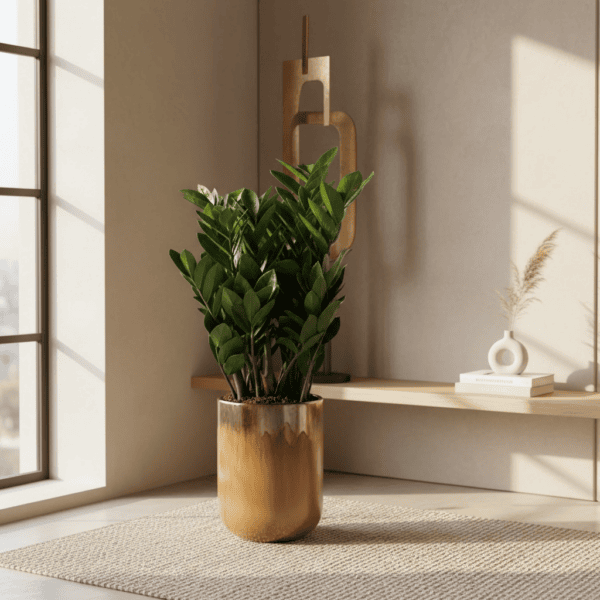
| Diagonal from Entrance (Wealth Corner) | Money Tree, ZZ Plant | Good airflow; visually arresting focal point |
| Left Front of Desk (Wenchang Position) | Lucky Bamboo, Asparagus Fern | Low maintenance; a restful green for fatigued eyes |
| Facing Corridor / Stairwell | Snake Plant, Cactus | Drought-tolerant; a natural visual boundary |
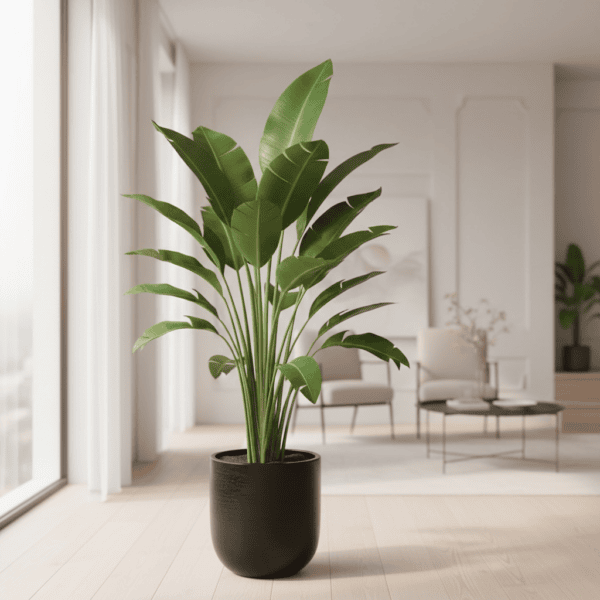
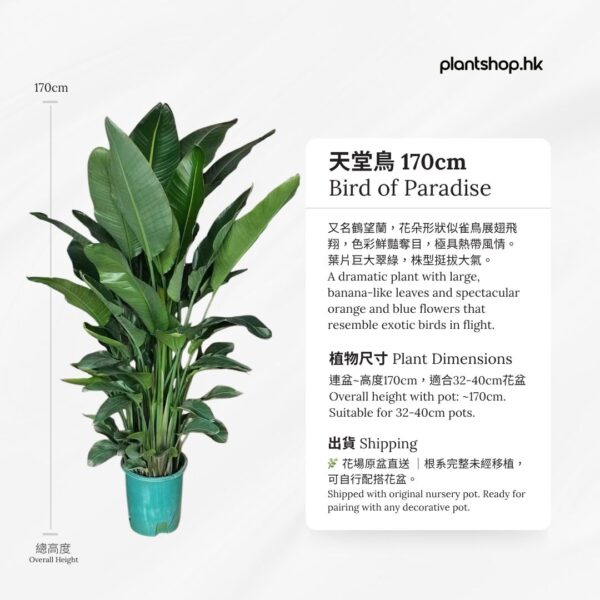
| By the Window | Fiddle-Leaf Fig, Bird of Paradise | Maximises available natural light |
Find the Right Plants, and the Right Place to Buy Them
PlantShop specialises in 130–180cm large indoor plants, each hand-picked for quality. Includes a detailed care card and direct WhatsApp support from a person. One real plant is worth ten artificial ones. 3–7 business day delivery, free shipping to urban Hong Kong.
Summary: Healthy Plants, Comfortable Space
Every so-called feng shui taboo resolves to a single principle: place plants where they can thrive, and the space will feel right to the people in it. Keep the following in mind:
- Avoid positions that are too damp, too exposed to temperature extremes, or too lightless.
- Choose real plants over artificial ones, wherever care allows.
- Remove or replace anything wilting.
- Keep spiky varieties away from foot traffic.
- Maintain the surroundings.
Take feng shui as accumulated spatial intelligence rather than anxiety-inducing prescription — and the plants will take care of the rest.
Related Products
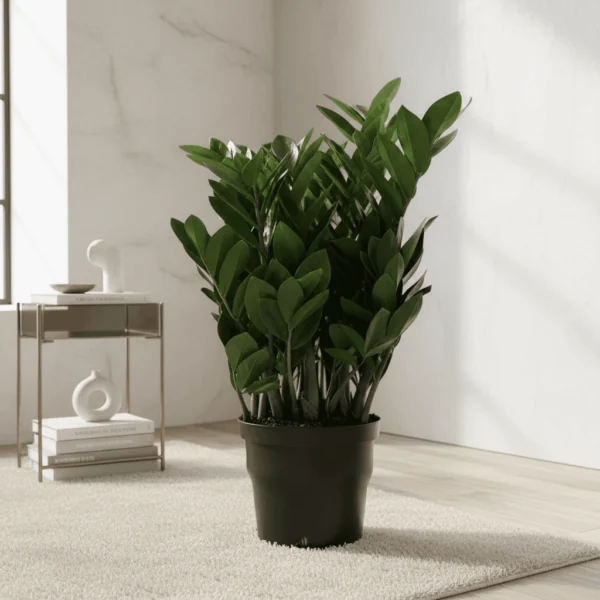
Below are the plants mentioned in this article, available for direct purchase. Each comes with a personal care card and WhatsApp support from a real person:



FAQs
Office Plant Placement Mistakes to Avoid — These Positions Really Don't Work
The moment feng shui enters a conversation, a certain scepticism tends to surface — all those taboos, all those warnings about bad energy. But look closely, and almost every placement prohibition has a perfectly rational explanation behind it. People noticed plants kept dying in specific positions. They documented what they observed. What accumulated over generations is, in many cases, sound pract
Five Plant Placement Positions to Reconsider Near the Washroom — Damp and Lightless
Traditional feng shui: Washrooms carry heavy moisture that drains a plant's vitality.
Under a Structural Beam — Spatial Compression
Traditional feng shui: Beams press down from above, suppressing fortune.
Directly Facing an Air Conditioning Vent — Thermal Extremes
Traditional feng shui: Strong airflow disperses wealth energy.
