



Hong Kong is a city that calculates. Rent the flat or buy it? Hire a car or summon one? Every expenditure is interrogated, weighed, justified. So when it comes to greening your office, the rent-or-buy plant question is not a trivial aside — it reveals something about how your company thinks about value, and where it chooses to spend its energy.
Two Paths, Two Philosophies — plant rental vs purchase hong kong
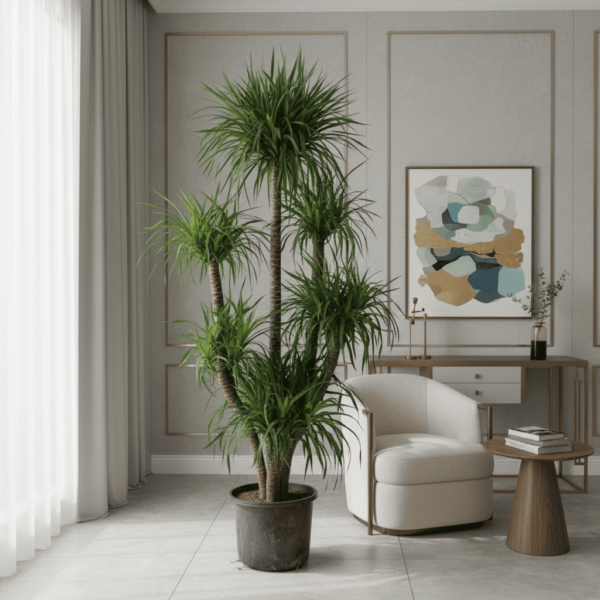
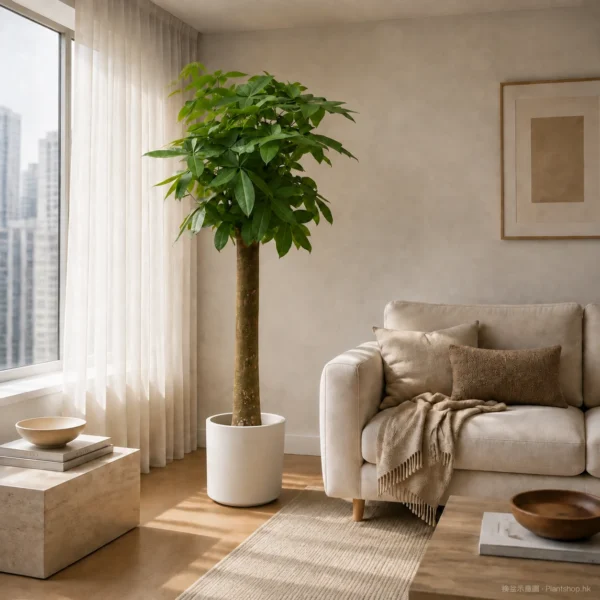
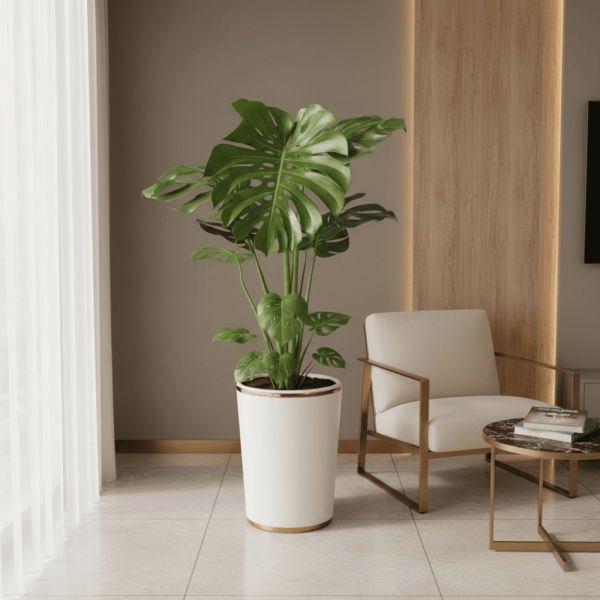
Buying plants is an asset investment. A Madagascar Dragon Tree, a Fiddle-Leaf Fig, or a Monstera positioned in the reception area announces your company’s sensibility before a single word is exchanged. The case for ownership is real: lower long-term costs, permanent possession, unrestricted choice. But the caveat is equally real: someone on your team must know when to water, when to feed, and what those yellowing leaves are trying to say. In a city where office rent is among the most punishing on earth, which company can spare headcount for horticultural duty? Leave that HK$3,000 Money Tree unattended, and it is firewood within three months — a calculation that bleeds in any direction you run it.
Renting is an entirely different proposition. One monthly fee, and the supplier manages delivery, placement, maintenance, and replacement. A plant that has a difficult week is not your concern. You are not acquiring plants — you are acquiring a living green environment, with none of the liability attached.
Crunching the Numbers: A Three-Year Comparison
For ten medium-sized office plants over three years:
Purchase Plan: Initial cost approximately HK$3,000–5,000; outsourced monthly maintenance HK$1,500–2,500; approximately 30% of plants requiring replacement over three years at HK$1,000–2,000. Total: HK$55,000–75,000.
Rental Plan: Approximately HK$150–300 per plant per month; ten plants at HK$1,500–3,000 monthly; total over three years HK$54,000–108,000. Depending on plant types and service scope, festive decorations and seasonal rotations may be included.
On paper, buying appears the more economical choice — but that arithmetic holds only when hidden costs are zero. Staff hours spent troubleshooting wilting specimens, sourcing replacements, refreshing a tired-looking arrangement: these accumulate into a real administrative burden, even when no one assigns them a dollar figure.
Which Companies Should Buy? Which Should Rent?
Best suited to purchase: Companies with a dedicated plant enthusiast on staff, or those with a settled, long-term aesthetic that asks nothing of them. Family-owned businesses and non-profits with lean budgets and willing hands fit this profile precisely.
Best suited to rental: Companies where no one has the bandwidth for plant care; offices that host frequent client events and require flexibility; teams that want a curated environment without the upkeep — technology start-ups, co-working spaces, and event companies.
The Hybrid Approach: A Considered Third Path
Many mid-sized companies (50–200 people) settle on a hybrid strategy: purchasing large plants for high-visibility positions such as reception and meeting rooms — where permanence signals commitment — while renting for workstations and event spaces where flexibility carries more value.
“We bought ten plants at first, and after six months three had died — the remaining seven looked miserable,” a marketing agency owner in Wan Chai recounted. “After switching to rental, the whole place lifted. And most importantly, I stopped starting my mornings staring at withered leaves.”
Our Position
Rent or buy is not a purely financial question. It is a question of where you are prepared to direct your energy.
Hongkongers are exceptionally skilled at running the numbers. But the real decision, sometimes, is between saving money and saving effort. Renting costs more. It also delivers zero concern — and in a city that holds the record for the world’s longest working hours, that peace of mind may be worth considerably more than the difference.
Your team was hired to work. Not to tend plants.
PlantShop serves corporate clients with professional guidance across plant selection and placement. WhatsApp us for a direct reply from a person, not a system. We specialise in 130–180cm large plants, each hand-picked by our horticulturist. 3–7 business day delivery. Free shipping to urban Hong Kong.
Related Products
Below are the plants mentioned in this article, available for direct purchase. Each comes with a personal care card and WhatsApp support from a real person:




FAQs
Two Paths, Two Philosophies
Buying plants is an asset investment. A Madagascar Dragon Tree, a Fiddle-Leaf Fig, or a Monstera positioned in the reception area announces your company's sensibility before a single word is exchanged. The case for ownership is real: lower long-term costs, permanent possession, unrestricted choice. But the caveat is equally real: someone on your team must know when to water, when to feed, and what
Crunching the Numbers: A Three-Year Comparison
For ten medium-sized office plants over three years:
Which Companies Should Buy? Which Should Rent?
Best suited to purchase: Companies with a dedicated plant enthusiast on staff, or those with a settled, long-term aesthetic that asks nothing of them. Family-owned businesses and non-profits with lean budgets and willing hands fit this profile precisely.
The Hybrid Approach: A Considered Third Path
Many mid-sized companies (50–200 people) settle on a hybrid strategy: purchasing large plants for high-visibility positions such as reception and meeting rooms — where permanence signals commitment — while renting for workstations and event spaces where flexibility carries more value.
