



Killed a Plant Before? Most People Have. Here’s What Matters. You bought a beautiful large plant with every intention. A few weeks later, leaves began yellowing. Then dropping. Then there was a pot of bare stems. If you’ve been through this — welcome. You’re closer to getting it right than someone who hasn’t tried.
Keeping large plants healthy is not complicated. Three things matter: watering, fertilising, and pruning. No mythology. No overcomplicated formulas. Just what holds.
💧 Watering: 70% of Plants Drown, Not Die of Thirst — large plant care guide
Memorise this first: better dry than saturated. Most beginners don’t end a plant through forgetting to water — they end it by watering too frequently. The base of the pot stays wet, the roots suffocate, and rot sets in. It’s the most common avoidable mistake in indoor horticulture.
When to Water? Use Your Finger. Don’t water on a schedule — check the soil.
Finger Test: Push your finger about 2cm into the soil — roughly one knuckle. Dry: water. Any residual moisture: wait a few more days.
Weight Test: After thorough watering, lift the pot and note how it feels. Lift it daily. When it feels noticeably lighter, it’s time. Particularly accurate for large pots.
🌿 Hong Kong Seasonal Note: Reduce Watering During the Humid Season
March–April in Hong Kong often sees humidity above 90% — soil dries at a fraction of its usual rate. Extend your watering interval by half during this period, and resist the pull to water simply because a week has passed.
How to Water? Soak Thoroughly, Don’t Spritz Daily. – Water slowly until it drains from the drainage holes – Wait 30 minutes, then empty any water collected in the saucer — standing water is the precondition for root rot – Use room-temperature water — cold tap water can shock roots – Water the soil, not the leaves (wet leaves in the evening invite fungal problems)
Watering Frequency Reference Guide
| Plant | Approx. Frequency | Key Note |
|---|---|---|
| Fiddle-Leaf Fig | Every 7–10 days | Water when topsoil is dry; keep leaves dry |
| Monstera | Every 5–7 days | Likes moisture; dislikes standing water |
| Snake Plant | Every 2–3 weeks | Drought-tolerant; better dry than wet |
| Areca Palm | Every 5–7 days | Mist in summer for humidity |
| Rubber Plant | Every 10–14 days | Allow soil to dry fully between waterings |
| Bird of Paradise | Every 5–7 days | Don’t let it dry completely in summer |
These are reference points — actual needs depend on your environment. AC accelerates soil drying; humid season slows it. The finger test is always the more reliable method.
🌱 Fertilising: Dilute, Frequent, Patient
Fertiliser is food. A little at the right time produces results; too much burns the roots. The classic beginner error: more fertiliser, faster growth. In practice, overdosing causes damage.
When to Fertilise? Spring–Summer (March–September):
Active growing season — diluted liquid fertiliser every 2–4 weeks. Autumn–Winter (October–February): Most plants are resting — pause entirely, or reduce to once monthly. Newly purchased plants: Wait 1–2 months before fertilising; let them settle first.
Which Fertiliser? For beginners: liquid fertiliser diluted to package instructions (or half-strength to be conservative), applied directly to the soil. Slow-release granules are the effortless option — sprinkle on the soil surface once and they sustain the plant for 2–3 months.
Essential rules: water before fertilising — dry soil plus fertiliser equals burnt roots. Half-strength is usually sufficient. Never fertilise a sick or declining plant; wait until recovery.
✂️ Pruning: Remove the Spent to Direct the Vigorous
Why Prune? Yellow leaves drain the plant’s energy. Better airflow means fewer pests and less disease. A pruned plant branches more generously and holds a more considered form.
How to Prune: Use clean scissors (wipe the blade with alcohol). Yellow or brown leaves: cut at the base of the stem. Dead branches: cut close to the main stem. Never remove more than one-third at a time — more than that shocks the plant.
When to Repot? Generally once a year in spring. Watch for these signals: water drains slowly (roots likely bound); roots growing from drainage holes; white salt crust accumulating on the soil surface; growth has noticeably stalled.
Common Question: Why Did a Leaf Suddenly Turn Yellow? One or two yellowing leaves on lower, older growth is natural ageing — remove and move on. Multiple yellowing leaves simultaneously points almost always to overwatering (root rot) or underwatering. Push your finger 2cm into the soil: dry means water thoroughly; wet means stop watering and observe for a few days.
Caring for plants requires the same things as keeping a good notebook or a considered wardrobe: attention and patience. Not perfection from day one. Three things to remember: finger 2cm deep, dry then water. Fertilise in spring and summer, rest in autumn and winter. See yellow, cut it — never more than a third. Follow these and you’re ahead of most.
Related Products
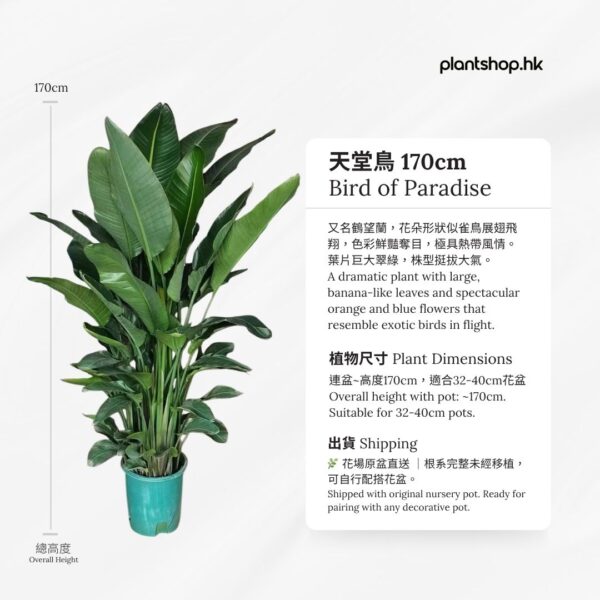
Below are the plants mentioned in this article, available for direct purchase. Each comes with a care card and WhatsApp support:


FAQs
💧 Watering: 70% of Plants Drown, Not Die of Thirst
Memorise this first: better dry than saturated. Most beginners don't end a plant through forgetting to water — they end it by watering too frequently. The base of the pot stays wet, the roots suffocate, and rot sets in. It's the most common avoidable mistake in indoor horticulture.
🌿 Hong Kong Seasonal Note: Reduce Watering During the Humid Season
March–April in Hong Kong often sees humidity above 90% — soil dries at a fraction of its usual rate. Extend your watering interval by half during this period, and resist the pull to water simply because a week has passed.
When to Fertilise? Spring–Summer (March–September):
Active growing season — diluted liquid fertiliser every 2–4 weeks. Autumn–Winter (October–February): Most plants are resting — pause entirely, or reduce to once monthly. Newly purchased plants: Wait 1–2 months before fertilising; let them settle first.
✂️ Pruning: Remove the Spent to Direct the Vigorous
Why Prune? Yellow leaves drain the plant's energy. Better airflow means fewer pests and less disease. A pruned plant branches more generously and holds a more considered form.
