



Plants don’t clean themselves — and in a Hong Kong office or home with AC running, printers humming, and foot traffic all day, dust accumulates on leaves faster than most people expect. Most plant owners don’t think about this until the plant begins to look dull and slightly diminished.
Dust on leaves blocks stomata — the tiny pores through which plants exchange gases and water vapour. Close enough stomata and you’re quietly restricting the plant’s capacity to photosynthesise and breathe. Regular cleaning isn’t purely aesthetic; it keeps the plant healthier.
Cleaning Tools You'll Need — large plant leaf cleaning
- Microfiber cloth — soft, effective, won’t scratch leaf surfaces (the first recommendation)
- Cotton pads or cotton balls — for smaller or more delicate leaves
- Soft-bristle toothbrush — for cleaning along leaf veins and into crevices
- Spray bottle — for clean water
- Small bucket — for diluted cleaning solution
Avoid commercial leaf shine sprays. They make leaves appear polished but coat the stomata and interfere with the plant’s ability to breathe. For leaves that look healthy, consistent cleaning and adequate light are the only real answers.
Five-Step Cleaning Method
Step 1: Choose the right time
Morning or evening — not in direct midday sun. Lay newspaper or a waterproof sheet beneath the plant to protect the floor.
Step 2: Dry dusting first
Wipe leaf surfaces gently with a dry microfiber cloth to remove loose dust. Follow the direction of the leaf veins. For thick-leaved plants (Madagascar Dragon Tree, Rubber Plant), slightly more pressure is fine. For thinner-leaved varieties (Fiddle-Leaf Fig), keep it gentle.
Step 3: Wet wipe
Dampen the cloth in warm water and wring until it no longer drips. Wipe each leaf individually. For stubborn marks, use diluted soapy water (one drop of dish soap per litre of water).
Step 4: Clean the undersides
Most people skip this — don’t. Stomata are concentrated on leaf undersides, making this surface more important than the side people see. Gently lift each leaf and wipe beneath.
Step 5: Air dry naturally
Keep the plant out of direct sunlight while drying — water droplets act as lenses and can scorch the leaf surface.
Cleaning by Leaf Type
| Leaf Type | Example Plants | Method |
|---|---|---|
| Smooth, thick | Madagascar Dragon Tree, Rubber Plant, Money Tree | Microfiber cloth; diluted soapy water for stubborn marks |
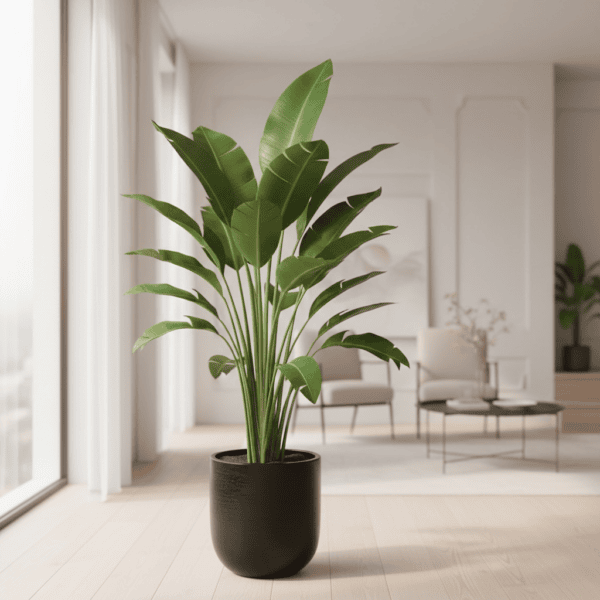
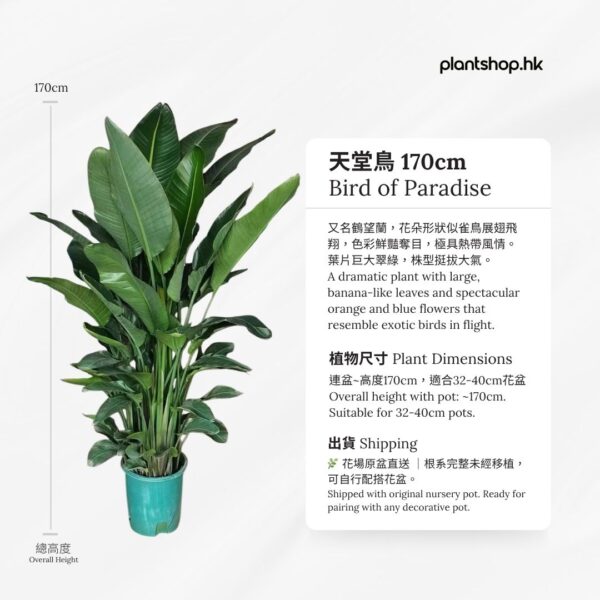
| Large, split | Fiddle-Leaf Fig, Giant Bird of Paradise, Monstera | Wet cloth on surface; soft toothbrush along veins |
| Long, strap-like | Snake Plant | Single wipe from base to tip with a damp cloth |
| Fuzzy / textured | African Violet | Never use water — a soft artist’s brush only |
How Often to Clean
- Office environments: every 1–2 weeks.
- Home environments: every 2–4 weeks.
- Near roads or construction: weekly.
Extra Care for a Natural Gloss
After cleaning, a small amount of petroleum jelly applied to thick leaves (Dragon Tree, Rubber Plant) adds a natural sheen — use it sparingly.
Banana peel method: wipe the inner surface of a banana peel on smooth leaves, then buff with a clean cloth. The natural oils leave a gentle, matte gloss.
What to Avoid
- Olive oil, coconut oil — too heavy; blocks pores over time
- Commercial leaf shine products — waxes and silicones that slowly suffocate the leaf surface
- Cleaning in direct sunlight — water droplets cause scorching
Seasonal Cleaning Schedule
- Spring / Summer: Dust settles faster — clean every 7–10 days
- Autumn / Winter: Every 2–3 weeks
- After rainy periods: Check for mould on dusty surfaces — increased humidity accelerates any existing buildup
PlantShop specialises in 130–180cm large potted plants. Every plant is hand-selected and comes with a care card. Our team is available on WhatsApp for real-person support.
Related Products
Below are the plants mentioned in this article, available for direct purchase. Each comes with a personal care card and real human WhatsApp support:





FAQs
Step 2: Dry dusting first
Wipe leaf surfaces gently with a dry microfiber cloth to remove loose dust. Follow the direction of the leaf veins. For thick-leaved plants (Madagascar Dragon Tree, Rubber Plant), slightly more pressure is fine. For thinner-leaved varieties (Fiddle-Leaf Fig), keep it gentle.
Step 3: Wet wipe
Dampen the cloth in warm water and wring until it no longer drips. Wipe each leaf individually. For stubborn marks, use diluted soapy water (one drop of dish soap per litre of water).
Step 4: Clean the undersides
Most people skip this — don't. Stomata are concentrated on leaf undersides, making this surface more important than the side people see. Gently lift each leaf and wipe beneath.
Step 5: Air dry naturally
Keep the plant out of direct sunlight while drying — water droplets act as lenses and can scorch the leaf surface.
