



New to Plant Parenting? — beginner plant mistakes
Most plants do not expire from neglect alone. The majority of indoor plant losses trace to a short list of repeated, correctable errors — the kind of well-intentioned mistakes that claim specimens week after week in offices and homes across the city. Here are the five most common. Recognise them early, and the losses stop.
Mistake 1: Overwatering — The Defining Error
Why Is This the Biggest Mistake? More than 70% of indoor plant deaths are attributable to overwatering. The impulse is understandable — water feels like care. But saturated soil deprives roots of oxygen, and what follows is rot: quiet, invisible, and by the time it surfaces, often irreversible.
Signs of Overwatering
- Lower leaves yellowing
- Soil that remains wet for days after watering
- Water pooling in the saucer
- Stems that soften underhand
- An earthy, sulphurous odour rising from the pot
The Correct Approach
- Adopt the principle of restraint over generosity. Press a finger 2–3cm into the soil; water only when it registers as dry.
- Empty the saucer after every session.
- In winter, reduce frequency markedly.
- A brief dry period will not harm a healthy plant. Prolonged saturation will.
Mistake 2: Choosing the Wrong Location
Common Errors
- Sun-demanding plants relegated to dim interior corners.
- Shade-tolerant specimens scorched in direct afternoon light.
- Plants positioned flush against air conditioning vents or too close to radiators.
The Correct Approach
- Understand each plant’s light requirements before it enters the room.
- Spend a day tracing how natural light moves through your space — it shifts hour by hour and season by season.
- Position sun-loving plants within reach of windows; route shade-tolerant varieties further into the interior.
- Avoid any spot where temperature swings dramatically over the course of a day.
Mistake 3: Ignoring Ventilation
Why It Matters Plants respire. Enclosed, stagnant air traps moisture against foliage and soil, creating precisely the conditions that invite pests and fungal disease.
The Correct Approach
- Open windows regularly to introduce circulation.
- Avoid clustering plants so tightly that air cannot move between them.
- Each specimen benefits from a degree of breathing room.
Mistake 4: Over-Fertilising
Common Errors
- The assumption that more fertilizer accelerates growth is persistent and wrong.
- Excess concentration scorches roots.
- Fertilizing through dormancy when the plant cannot process nutrients wastes both the product and the plant’s reserves.
The Correct Approach
- Dilute precisely to package instructions.
- Apply every 2 months during the growing season — spring and summer.
- Suspend or significantly reduce through autumn and winter.
- When uncertain, apply less.
Mistake 5: Inattention
Common Errors
- Purchasing a plant and treating it as permanent furniture.
- Failing to monitor foliage and soil.
- Noticing a problem and postponing a response until it escalates.
The Correct Approach
- Set a weekly check: leaves, stems, soil surface.
- Remove yellowing or dead foliage the moment you see it.
- Observe how your plants grow over time — the patterns reveal what each one needs.
- When something appears off, investigate it.
What Beginners Should Start With
Easy-care specimens that accommodate the learning curve:
- Snake Plant — Drought-tolerant; as close to indestructible as indoor plants come
- Golden Pothos — Resilient, fast-growing, forgiving of inconsistency
- ZZ Plant — Tolerates low light and infrequent watering without visible complaint
- Spider Plant – Propagates effortlessly; thrives with minimal intervention
Establishing a Care Rhythm
Choose a fixed day each week for plant checks. Keep a simple watering log if consistency is elusive. Observe each plant’s particular responses — over time, they become legible.
On Losing Plants Every serious plant keeper has lost specimens. The losses are part of the education. Each one teaches you to read a plant more precisely, and eventually the losses become rare. PlantShop.hk carries a well-chosen selection of beginner-friendly plants. Corporate greening consultancy is available for offices seeking a professionally managed approach.
Related Products
Browse the plants mentioned in this article:


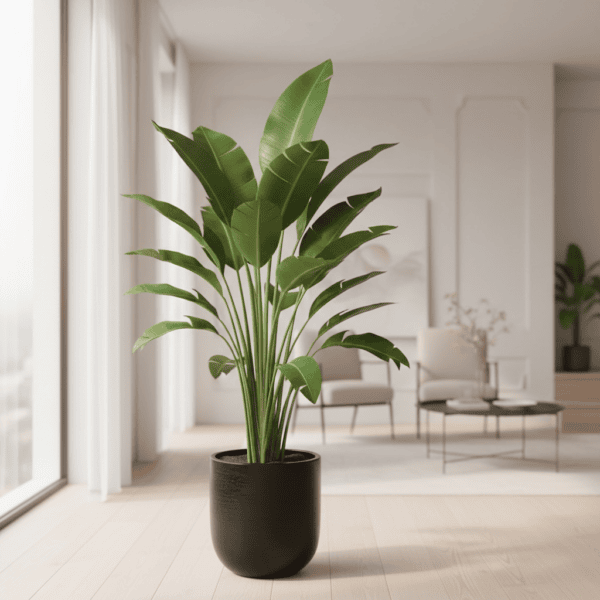
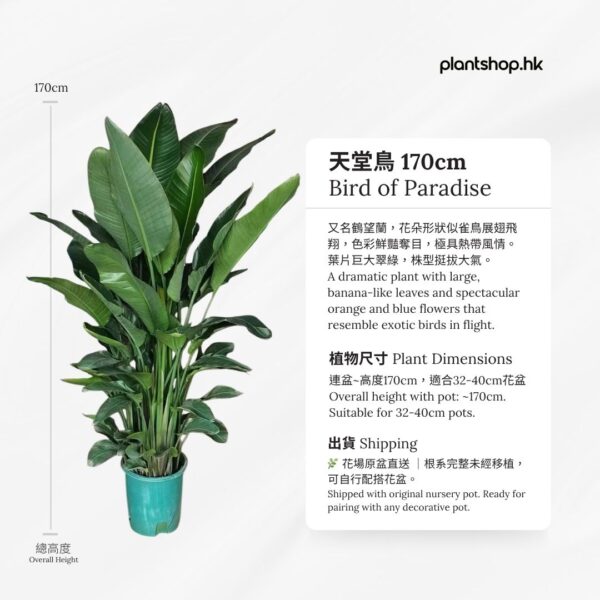
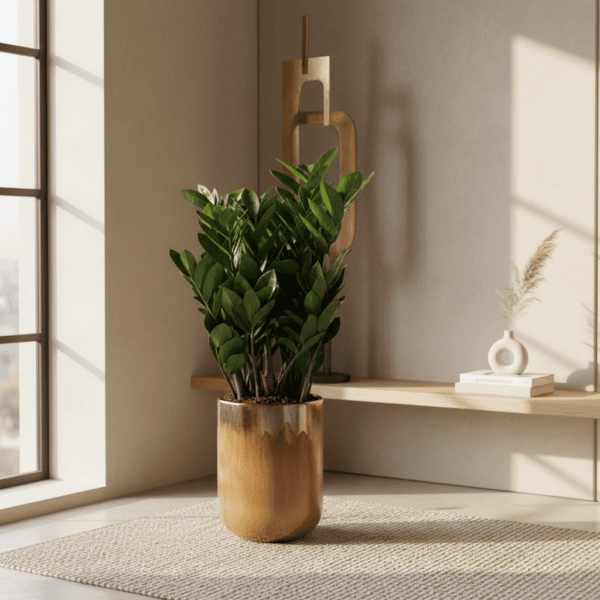
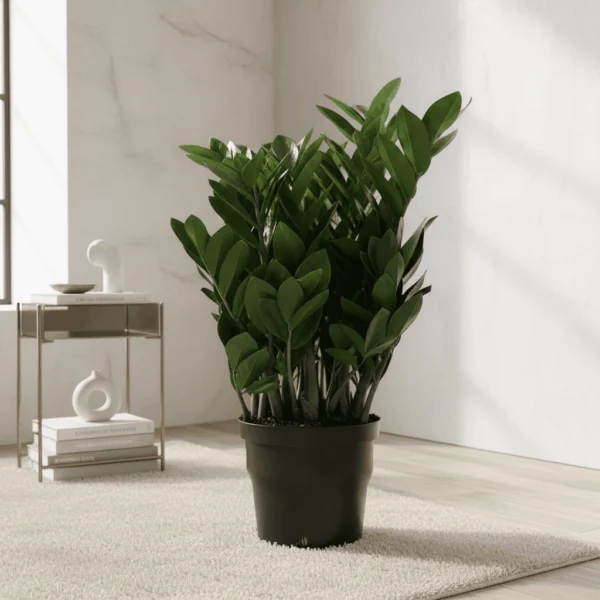
7-day health guaranteeFree delivery over HK$1,500WhatsApp help from a real person
FAQs
New to Plant Parenting?
Most plants do not expire from neglect alone. The majority of indoor plant losses trace to a short list of repeated, correctable errors — the kind of well-intentioned mistakes that claim specimens week after week in offices and homes across the city. Here are the five most common. Recognise them early, and the losses stop.
Mistake 1: Overwatering — The Defining Error
Why Is This the Biggest Mistake? More than 70% of indoor plant deaths are attributable to overwatering. The impulse is understandable — water feels like care. But saturated soil deprives roots of oxygen, and what follows is rot: quiet, invisible, and by the time it surfaces, often irreversible.
Mistake 3: Ignoring Ventilation
Why It Matters Plants respire. Enclosed, stagnant air traps moisture against foliage and soil, creating precisely the conditions that invite pests and fungal disease.
What Beginners Should Start With
Easy-care specimens that accommodate the learning curve:
