



Open Instagram, and the home photos that make your heart skip a beat all share one element—a Monstera deliciosa with artistically fenestrated leaves, standing gracefully on light wood flooring beside a designer lamp and velvet sofa.
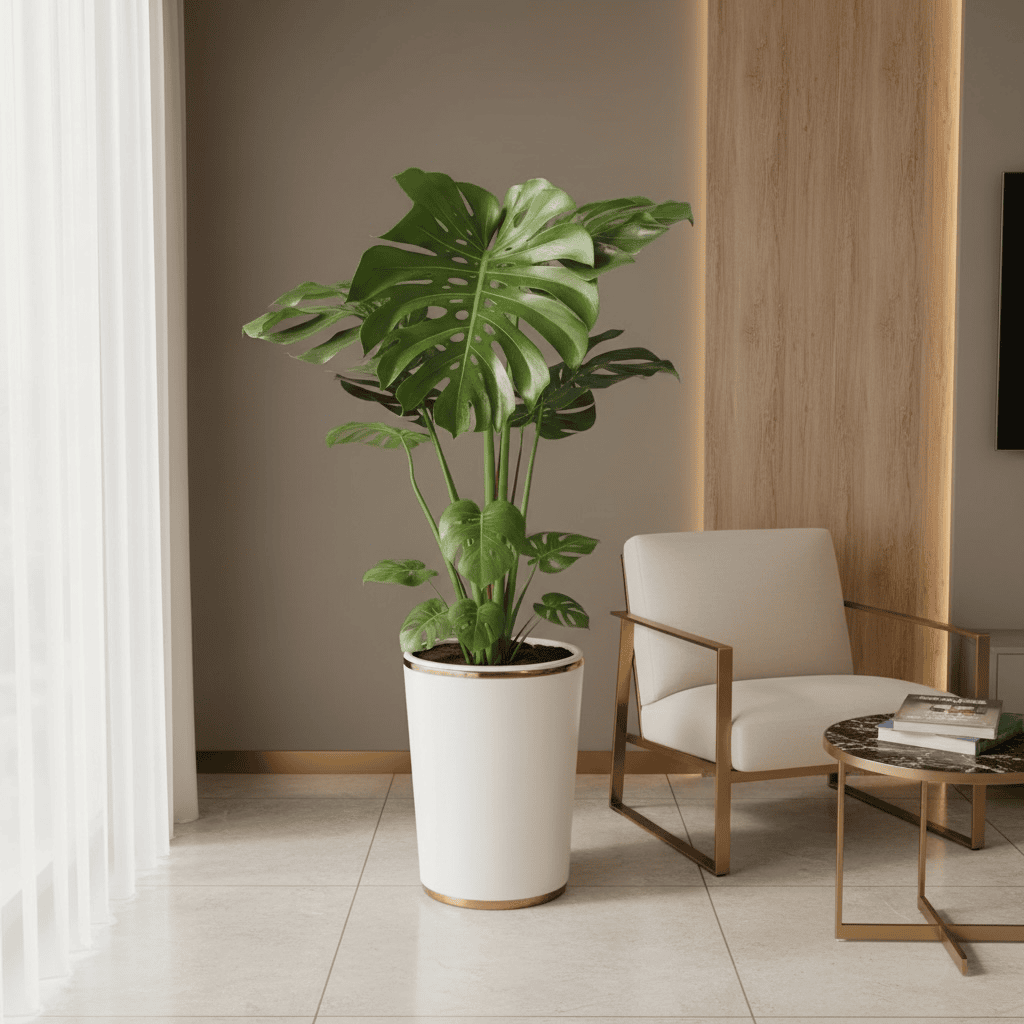
The Monstera isn’t merely a plant; it’s a lifestyle statement. From minimalist Scandinavian apartments to MUJI-inspired Tokyo homes, from bohemian Los Angeles lofts to boutique cafés in Sheung Wan, the Monstera’s presence is unmistakable. 🌿✨
Why Monstera Became the World's Most Popular Houseplant — monstera care hong kong
The Monstera’s rise to fame is no accident. Native to Central American rainforests, Monstera deliciosa produces leaves that transform from simple heart shapes into dramatically split, hole-punched masterpieces—a living exhibition of botanical artistry.
With over ten million #monstera posts on Instagram, this “plant influencer” captivates for several reasons:
- Strong visual impact: Mature leaves can reach half a meter wide, becoming instant focal points
- Universal styling compatibility: Works beautifully in Nordic, Japanese, tropical, and industrial interiors
- Photogenic qualities: Leaf textures and shapes offer stunning design appeal for home décor content
- Relatively easy care: More forgiving than many other foliage plants, making it beginner-friendly
The Fenestration Process: How Leaves Develop Holes
New plant parents often wonder why their Monstera’s leaves are solid hearts without signature splits. Patience—this is a natural progression.
Monstera leaf evolution occurs in three stages:
– Juvenile: Solid heart-shaped leaves without splits
– Adolescent: Development of side fenestrations
– Mature: Central elliptical holes appear—the iconic “Swiss cheese” look
Three keys to promoting fenestration:
1. Maturity: Plants need time; typically the third or fourth new leaf shows initial splits
2. Light: Bright, indirect light is the most critical catalyst. Insufficient light produces small, unsplit leaves
3. Climbing support: In nature, Monstera climbs trees. Providing vertical support stimulates larger, more fenestrated foliage
Hong Kong Indoor Care Essentials
🌤️ Light: Bright Indirect Light
Originating from rainforest floors, Monstera thrives in dappled light filtered through canopies. In Hong Kong homes, east or north-facing windows provide ideal conditions—ample light without scorching intensity.
Direct midday summer sun burns leaves, causing brown patches. If placing near south-facing windows, filter light with sheer curtains.
💧 Watering: Dry Topsoil Means Go
This golden rule prevents 90% of Monstera problems. Insert your finger 2–3 cm into soil; water only when dry. Water thoroughly until excess drains from the bottom.
Hong Kong’s humid summers may require weekly watering at most; winter might need watering only every ten days. When uncertain, underwater—root rot is the Monstera’s greatest enemy.
🌫️ Humidity: Hong Kong’s Advantage
Monstera prefers 60–80% humidity, and Hong Kong’s annual average exceeds 70%—a natural advantage! Summer rarely requires supplemental humidity. During winter heating season, occasional misting or pebble trays help maintain comfort.
🪜 Climbing Support: Give Her a Pole
This crucial element is often overlooked by Hong Kong plant parents. A coco coir pole or moss pole, with gentle ties guiding the stem upward, transforms growth. Climbing Monsteras produce noticeably larger leaves with more dramatic fenestration.
Troubleshooting
Quick questions
Why aren’t my leaves splitting?
Insufficient light is the usual culprit. Move to a brighter location, add climbing support, and patiently await new growth.
Yellowing leaves?
Older leaves naturally yellow with age—simply remove them. New growth yellowing indicates overwatering (root issues) or nutrient deficiency.
Black, smelly roots?
Root rot alert! Immediately unpot, trim blackened roots, repot in fresh dry mix, and drastically reduce watering.
Dusty leaves?
Wipe gently with a damp soft cloth. Clean leaves optimize photosynthesis and prevent pest problems.
Interior Styling Ideas
- Scandinavian: White ceramic pot + light wood stand + Monstera = clean minimalism
- Japanese: Concrete or terracotta pot + low platform + Monstera = zen tranquility
- Tropical: Woven basket + grouped tropicals + Monstera = jungle atmosphere
- Industrial: Concrete planter + metal stand + Monstera = edgy sophistication
Propagation: Easy Stem Cutting Guide
Monstera propagation is wonderfully simple using stem cuttings:
- Select a healthy stem with at least one aerial root node (the brown bumps on stems)
- Cut below the node with sterilized scissors
- Choose water or soil propagation:
– Water: Submerge the node, change weekly, roots appear in 2–4 weeks
– Soil: Insert into moist potting mix, keep lightly damp, roots develop in 4–6 weeks - Once roots reach 3–5 cm, transplant to a permanent pot
The satisfaction of successful propagation is genuinely addictive! 😊
Product Recommendations
Ready to add this Scandinavian-style green statement to your home?
🌿 Monstera (Monstera deliciosa) — Healthy, vigorous specimens with lush, glossy leaves. The essential choice for design-conscious interiors.
🌿 Instagram Collection — Carefully curated “Instagram-worthy” plant combinations that elevate your home photos to influencer-level aesthetics.
Monstera Care Steps HK
Steps for Monstera in Hong Kong homes
- Position — Window with indirect light; avoid midday sun
- Water — Water when half dry; less in winter
- Humidity — Mist leaves or use humidifier
- Feed — Light liquid feed monthly Apr–Sep
- Support — Attach main stem to moss pole
FAQs
Why no leaf holes?
Juvenile leaves or low light — increase indirect sun and humidity.
Yellow leaves?
Usually overwatering — check drainage, reduce frequency.
Need a moss pole?
Recommended for large specimens — encourages upward growth.
Bedroom suitable?
Yes, shade-tolerant; ensure airflow; avoid oversized plants.
Repotting interval?
Every 1–2 years when rootbound; best in spring.
