



Traditional feng shui and contemporary spatial design agree on more than you might expect. Both care about where the eye lands when you enter a room. Both care about whether a space feels balanced or off-kilter. Both care about whether a person feels settled and comfortable — or vaguely unsettled — in a given environment. The language differs; the underlying observations often don’t.
Here’s a practical guide to office plant placement that draws on both traditions.
The Three Key Positions in Any Office — office plant feng shui layout
Wealth Corner — Diagonal from the Entrance
Traditional feng shui identifies the diagonal from the entrance as the “open wealth corner” — where energy accumulates, where the eye naturally travels when entering. A thriving plant here becomes the first focal point a visitor encounters. Before a word is spoken, it tells them: attention is applied in this office.
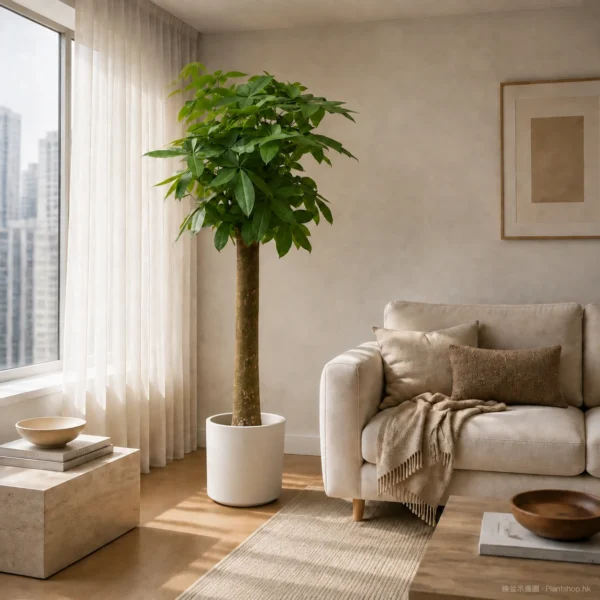
Recommended: Money Tree (the classic choice by name and association), ZZ Plant (shade and drought-tolerant; its deep gloss reads as settled prosperity), Golden Pothos (creates vertical dimension in tighter corners).
Feng shui principle: “Broad leaves attract wealth.” Botanical reality: broad-leaf plants are generally more shade-tolerant, well-suited to indoor corners. The traditional recommendation and the practical one point to the same spot.
Behind the Desk — Support Position
Traditional feng shui holds that visual support behind your seat something with height, something solid provides psychological grounding. You’re not exposed, with nothing at your back. Modern spatial psychology concurs the sense of being backed reduces ambient alertness and allows better concentration.
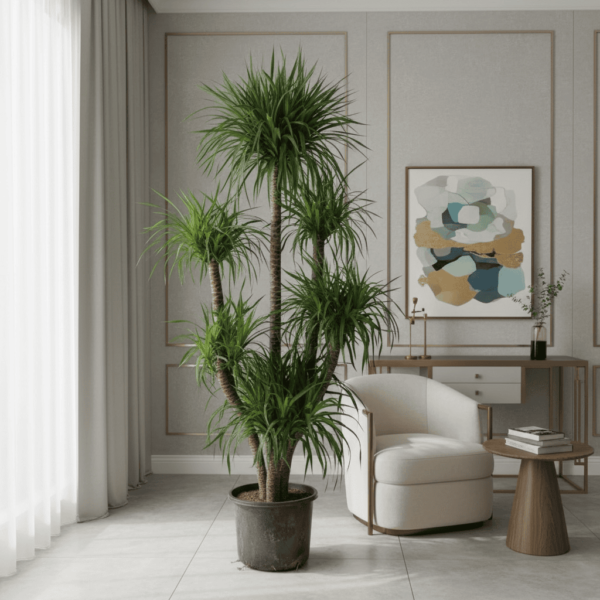
Recommended: Madagascar Dragon Tree (tall, upright, stable), Money Tree (rounded, full, unhurried), Rubber Plant (deep green, thick-leaved — a composed, unmovable presence).
Placement: Plant height should exceed the seated eye line to create the visual backing effect. The pot should have presence without blocking movement.
Left Front of Desk — Wenchang Position
Traditional feng shui calls this the Green Dragon position, associated with mentors, opportunities, and career development. A plant here something you watch growing day by day creates a small but consistent psychological anchor.
Recommended: Money Tree (moderate height, won’t obstruct sightlines), ZZ Plant (clean and architectural), Lucky Bamboo (graceful in water, easily maintained in a glass vessel on the desk).
Placement: Keep height below eye level so it doesn’t interrupt contact with visitors.
Choosing Plants by Industry
Finance and Legal:
Clients arrive looking for trustworthiness and stability. Money Tree, Madagascar Dragon Tree, ZZ Plant — composed, grounded, unhurried. Nothing that looks precarious or high-maintenance.
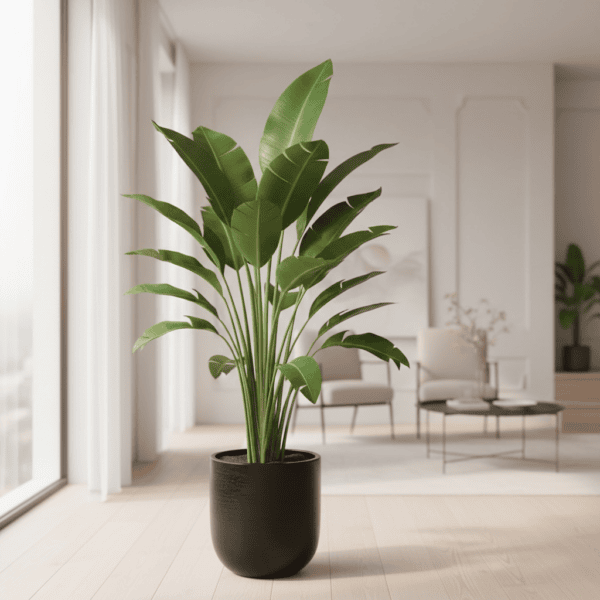
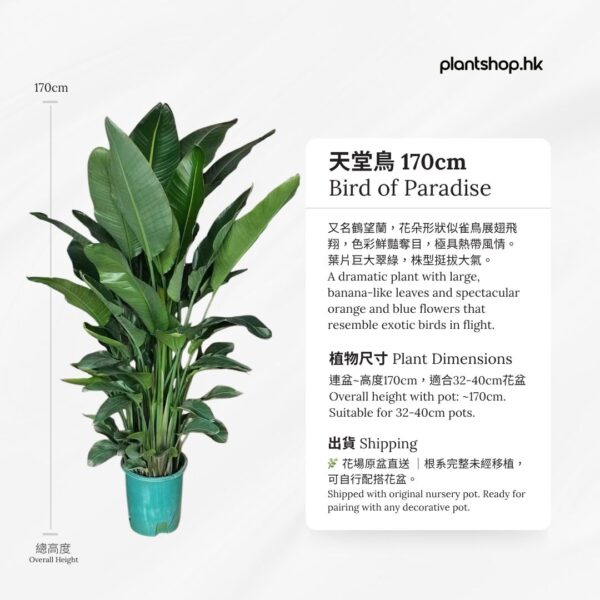
Tech and Creative: Fiddle-Leaf Fig‘s contemporary lines, Monstera’s design credibility, Giant Bird of Paradise‘s visual drama. Plants that signal ideas, energy, and a willingness to experiment.
Design and Architecture:
The plant itself becomes a design statement. Fiddle-Leaf Fig, Monstera, or something unusual — the choice communicates taste and eye.
Education and Social Enterprise:
Peace Lily, Spider Plant, ferns — warm, living, accessible. Nothing too formal or assertive.
One Honest Note About Feng Shui
Traditional feng shui speaks in the language of energy and fortune. Contemporary spatial design speaks in psychology and ergonomics. Neither is wrong — they’re describing the same human responses to physical environments using different vocabularies.
The most useful frame: place plants where they can thrive (right light, right airflow), where the eye naturally rests on entering, and where they support rather than interrupt the flow of movement. Do those three things and you’ve satisfied both the feng shui and the spatial design brief simultaneously.
PlantShop specialises in 130–180cm large plants for office placement. WhatsApp us for recommendations matched to your specific space. Every plant comes with a care card and real-person follow-up.
Related Products
Below are the plants mentioned in this article, available for direct purchase. Each comes with a personal care card and real human WhatsApp support:



FAQs
The Three Key Positions in Any Office
Wealth Corner — Diagonal from the Entrance
Behind the Desk — Support Position
Traditional feng shui holds that visual support behind your seat something with height, something solid provides psychological grounding. You're not exposed, with nothing at your back. Modern spatial psychology concurs the sense of being backed reduces ambient alertness and allows better concentration.
Left Front of Desk — Wenchang Position
Traditional feng shui calls this the Green Dragon position, associated with mentors, opportunities, and career development. A plant here something you watch growing day by day creates a small but consistent psychological anchor.
One Honest Note About Feng Shui
Traditional feng shui speaks in the language of energy and fortune. Contemporary spatial design speaks in psychology and ergonomics. Neither is wrong — they're describing the same human responses to physical environments using different vocabularies.

