



Spring has arrived. Temperatures are warming, and plants that rested quietly through winter are beginning to push out new energy. If your large potted plants haven’t been repotted in two or more years, this is the window. Follow these steps to give them a considered new home before the growing season builds in earnest.
Does Your Plant Need Repotting? — repotting pruning large plants
Don’t repot without reason — unnecessary repotting stresses the plant. Look for these signals first:
- Roots growing out of the drainage holes
- Water drains too fast, running straight through without being absorbed
- Plant visibly top-heavy and unstable, too large for its pot
- Soil drying out much faster than it used to
- No noticeable growth in over a year
- White salt crust on the soil surface (fertiliser residue accumulation)
If two or more of these apply, it’s time.
What You’ll Need
- New pot: 5–10cm larger in diameter than the current one (not dramatically larger — an oversized pot retains excess moisture and risks root rot)
- Quality indoor potting mix
- Small trowel or spoon
- Clean scissors (sterilise with alcohol before use)
- Watering can
- Newspaper or a waterproof sheet to protect the floor
On soil: Garden soil is too dense for containers — it compacts and starves roots of aeration. Use indoor potting mix; for most large plants, mixing in some perlite (roughly 3:1 mix-to-perlite ratio) improves drainage significantly. For drought-tolerant species like Money Tree and Madagascar Dragon Tree, lean heavier on the perlite.
Six Steps for Repotting
Step 1: Stop Watering Beforehand
Stop watering 3–5 days beforehand. Slightly dry soil holds together better and causes less root disturbance.
Step 2: Ease the Plant Out
Lay the pot on its side, tap the sides and base to loosen, then ease the plant out holding the stem base. Never pull hard — roots can snap.
Step 3: Inspect the Roots
Inspect the roots. Cut away with clean scissors: black or brown mushy roots (rotten), excessively long circling roots (root-bound), anything dry or dead. A dusting of cinnamon powder on cut surfaces acts as a natural antibacterial.
Step 4: Prepare the New Pot
Add a 2–3cm layer of clay pebbles at the base of the new pot for drainage, then a layer of fresh soil. The new pot must have drainage holes — no exceptions. If you love a pot without holes, use a plastic liner inside it.
Step 5: Position and Fill
Position the plant centrally at the same depth as before. Fill around the sides with fresh soil, pressing gently without compacting.
Step 6: Water and Rest
Water thoroughly until it drains from the base. Move the plant to a cool, well-ventilated spot for 3–5 days before returning it to its usual position. Recovery time matters.
Spring Pruning While You’re At It
Spring repotting is a natural occasion for a light prune — the plant is entering its growth phase and will recover quickly.
Pruning Principles
- Remove yellowed leaves and dead stems first
- Then thin overcrowded branches for better airflow
- Shape for aesthetics last
- Never remove more than one-third of the plant in a single session
- Cut just above a growth node, at a slight angle
Species Notes
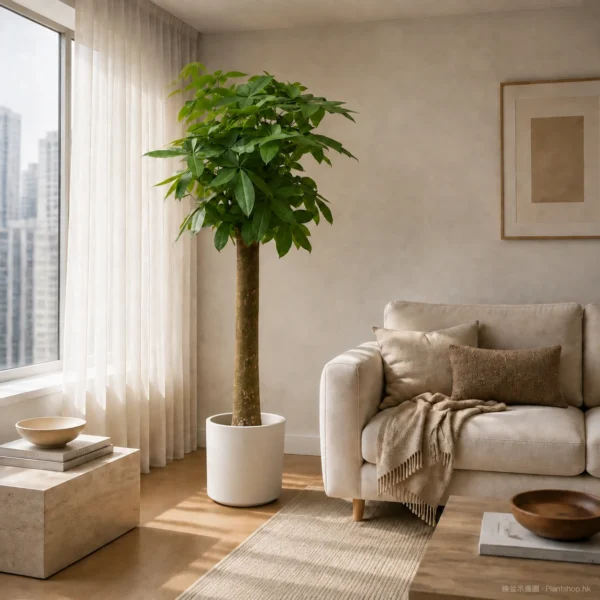
Money Tree — Remove yellowed compound leaves; cut at the leaf stalk base. New buds emerge from nearby nodes.
Fiddle-Leaf Fig — Remove lower leaves; top-prune to encourage branching. Cuttings can be rooted in water.
Madagascar Dragon Tree — Remove dry lower leaves. Naturally forms a palm-tree silhouette as lower leaves drop over time.
Monstera — Remove ageing lower leaves. Aerial roots can be guided back into the soil or onto a moss pole.
PlantShop specialises in 130–180cm large potted plants, each hand-selected. Every plant comes with a care card. Spring care questions? WhatsApp us — a real person will reply.
Related Products
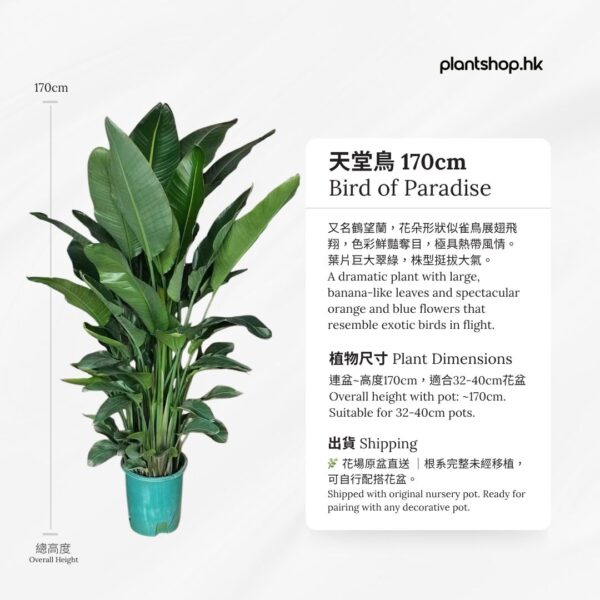
Below are the plants mentioned in this article, available for direct purchase. Each comes with a personal care card and real human WhatsApp support:




FAQs
Does Your Plant Need Repotting?
Don't repot without reason — unnecessary repotting stresses the plant. Look for these signals first:
Spring Pruning While You're At It
Spring repotting is a natural occasion for a light prune — the plant is entering its growth phase and will recover quickly.
Related Products
Below are the plants mentioned in this article, available for direct purchase. Each comes with a personal care card and real human WhatsApp support:
