



Two questions come up more than any others with new plant owners: “How often should I water?” and “When should I fertilise?” The honest answer to both is: it depends. But there is a practical framework that holds across almost every situation.
Watering: The One Rule That Covers Everything — large plant watering guide
Better dry than wet. Root rot — caused by chronically oversaturated soil — ends more indoor plants than drought. Soil needs to dry between waterings. How long that takes depends on species, season, pot size, and the indoor environment. This is exactly why calendar-based watering (“I water every Tuesday”) reliably fails.
The finger test: Push your finger about 2cm into the soil — roughly one knuckle. Dry: water. Any hint of moisture: wait. Come back tomorrow. This method holds for every species and every season.
The weight test:
After thorough watering, lift the pot and register how it feels. Check daily. When it feels noticeably lighter, it’s time. Particularly useful for large pots too heavy to finger-test easily.
How to water properly:
- Water slowly until it runs from the drainage holes
- Wait 30 minutes, then empty any water collected in the saucer (standing water invites rot)
- Use room-temperature water — cold tap water can shock roots
- Water the soil, not the leaves (wet leaves at night encourage fungal problems)
Hong Kong seasonal adjustments:
During the sticky humidity of March–April, soil dries much more slowly — extend your intervals by a few days. During summer with AC running constantly, soil dries faster — check more frequently. In winter, most plants need significantly less water.
Watering Frequency Reference Guide
| Plant | Approximate Frequency | Key Note |
| Fiddle-Leaf Fig | Every 7–10 days | Water when topsoil is dry; never wet the leaves |
| Monstera | Every 5–7 days | Likes moisture but not standing water |
| Snake Plant | Every 2–3 weeks | Extremely drought-tolerant |
| Areca Palm | Every 5–7 days | Mist in summer for humidity |
| Rubber Plant | Every 10–14 days | Allow soil to dry fully between waterings |
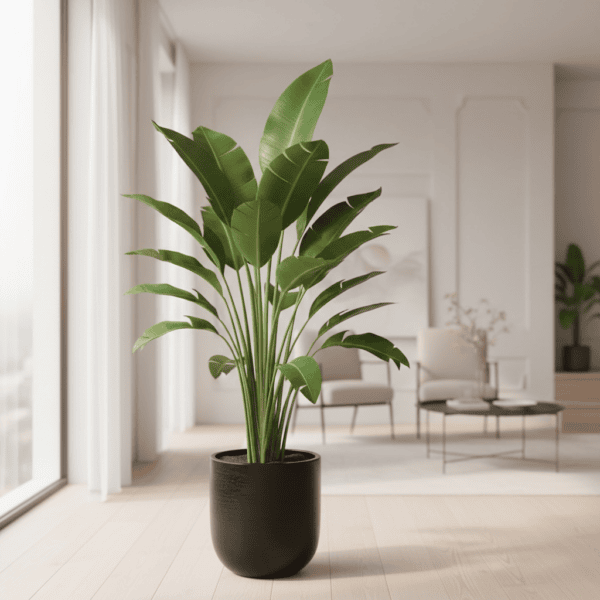
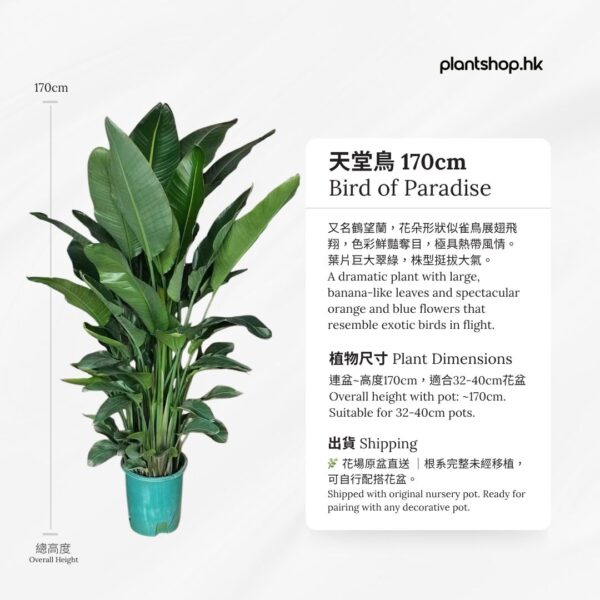
| Bird of Paradise | Every 5–7 days | Don’t let it dry completely in summer |
These are starting points — the finger test always takes precedence.
Fertilising: The Simpler Version
Fertiliser is food. Plants in active growth need it; plants at rest don’t. The seasonal pattern for Hong Kong:
Spring–Summer (March–September):
Growing season. Apply diluted liquid fertiliser every 2–4 weeks.
Autumn–Winter (October–February):
Rest period. Stop fertilising entirely, or reduce to once monthly at most. Newly purchased plants: Wait 1–2 months before fertilising to allow them to settle.
Two reliable rules: water before fertilising (dry soil plus fertiliser means burnt roots), and when uncertain, use half the recommended concentration.
For beginners, liquid fertiliser is the most forgiving — dilute, apply, done. Slow-release granules are even simpler: sprinkle on the soil surface once every 2–3 months.
Signs of under-fertilising: slow growth over many months, pale or yellowing new leaves. Signs of over-fertilising: brown leaf tips, white salt crust on the soil surface, sudden leaf drop.
Summary
Water when dry, not on a schedule. Fertilise in spring and summer; stop in autumn and winter. When something looks wrong, check soil moisture first — overwatering is the more likely cause in almost every case.
Every PlantShop plant comes with a care card with watering and fertilising guidance specific to the variety. Questions? WhatsApp us for a real-person reply.
Related Products
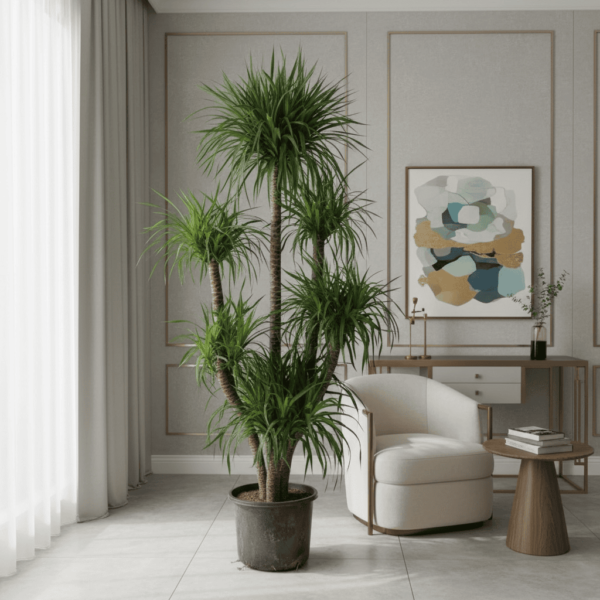
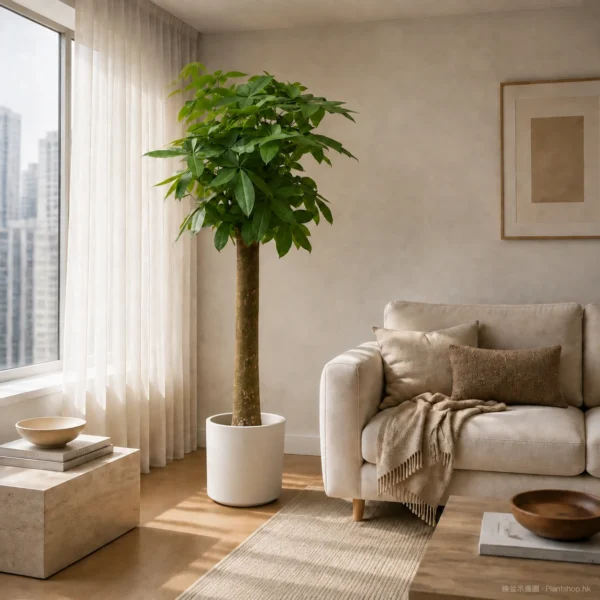
Below are the plants mentioned in this article, available for direct purchase. Each comes with a personal care card and real human WhatsApp support:



FAQs
Watering: The One Rule That Covers Everything
Better dry than wet. Root rot — caused by chronically oversaturated soil — ends more indoor plants than drought. Soil needs to dry between waterings. How long that takes depends on species, season, pot size, and the indoor environment. This is exactly why calendar-based watering ("I water every Tuesday") reliably fails.
The weight test:
After thorough watering, lift the pot and register how it feels. Check daily. When it feels noticeably lighter, it's time. Particularly useful for large pots too heavy to finger-test easily.
Summary
Water when dry, not on a schedule. Fertilise in spring and summer; stop in autumn and winter. When something looks wrong, check soil moisture first — overwatering is the more likely cause in almost every case.
Related Products
Below are the plants mentioned in this article, available for direct purchase. Each comes with a personal care card and real human WhatsApp support:


