



Finding pests or disease spots on your large plants is alarming in the moment — but most problems are treatable. With early detection and the right response, plants recover fully. Here’s a practical guide to the most common issues, with safe and effective treatment methods.
Common Pest Identification and Control — large plant pest control
Scale Insects — Brown Bumps on Leaves and Stems
Identification: Small brown or white shell-like bumps adhered to leaves and stems. Infested plants stop growing; leaves turn yellow.
Treatment:
- Small infestations: dip a cotton swab in rubbing alcohol and remove individually; follow with a soft toothbrush scrub and soapy water spray (1 litre water + 1 teaspoon dish soap)
- Larger infestations: apply horticultural oil (mineral oil) to suffocate the scales
- Check every 7 days for 3–4 weeks until completely eliminated
Scale insects are persistent. Adult scales carry hard protective shells — consistent treatment over time is required.
Spider Mites — Fine Dots and Webbing on Leaf Undersides
Identification: Tiny yellow dots on leaf undersides; in severe infestations, fine webbing threads between leaves. Microscopic — a magnifying glass is needed to confirm.
Treatment:
- Increase humidity (spider mites cannot tolerate moisture — regular underside misting prevents them)
- Soapy water spray on leaf undersides every other day for 3 consecutive applications
- Severe cases: use a dedicated miticide — standard insecticides are not effective against mites
Aphids — Clusters on Tender Stems
Identification: Small green, black, or translucent insects massing on tender stems and leaves; affected areas curl and deform.
Treatment:
- Firm water spray to dislodge the majority
- Soapy water or neem oil spray — safe and effective
- Aphids reproduce quickly — continue treatment for 3–4 consecutive days
Whiteflies — Flying White Specks
Identification: Shake the plant; a cloud of tiny white insects lifts.
Treatment:
- Yellow sticky traps catch adult whiteflies
- Neem oil spray as repellent
- Improved ventilation — whiteflies thrive in warm, airless environments
Why soapy water and neem oil? Both are safe for humans and pets, won’t compromise indoor air quality, and are widely recognised as effective by the horticultural community. Soap suffocates soft-bodied insects; neem oil disrupts feeding and reproduction. Chemical pesticides act faster but carry indoor health risks — reserve them as a final resort.
Common Disease Identification and Control
Root Rot — Almost Always Caused by Overwatering
Identification: Leaves yellow and drop suddenly in volume; stem base turns soft and darkened; soil carries a foul or sour odour.
Treatment:
- Stop watering immediately
- Remove from pot; rinse roots clean
- Cut away all black or mushy roots with sterilised scissors
- Dust cut surfaces with cinnamon powder (natural antibacterial)
- Repot in fresh, dry soil; keep in a ventilated spot; water sparingly going forward
Leaf Spot Disease (Black Spot / Anthracnose)
Identification: Circular or irregular brown-black spots that expand over time.
Treatment:
- Remove diseased leaves promptly — don’t leave them in the pot; fungal spores spread
- Avoid wetting leaves, particularly in the evening
- Improve ventilation; reduce humidity
- Baking soda spray as prevention (1 litre water + 1 teaspoon baking soda)
Powdery Mildew
Identification: White powdery patches on leaf surfaces — like flour dusted on.
Treatment:
- Milk solution (milk to water, 1:9 ratio) spray effectively inhibits growth
- Increase light exposure and ventilation
- Remove heavily infected leaves in severe cases
Two Safe DIY Treatment Formulas
All-Purpose Soapy Water
Recipe: 1 litre clean water + 1 teaspoon mild dish soap
Usage: Spray the entire plant, especially leaf undersides, every 3 days for 3 consecutive applications
Note: Apply in the morning so leaves dry before evening
Neem Oil Spray
Recipe: 1 litre warm water + 1 teaspoon neem oil + a few drops of dish soap (as emulsifier)
Usage: Spray leaf undersides every 7 days for 3–4 consecutive applications
Note: A distinctive scent that dissipates as the leaves dry
Prevention Is Better Than Cure
- Inspect weekly: check leaf undersides every 7 days — early detection is dramatically easier to treat than established infestation.
- Quarantine new plants: keep any new purchase separate from existing plants for 2 weeks.
- Maintain airflow: well-ventilated environments are inhospitable to most pests.
- Avoid overwatering: damp soil breeds fungus gnats and invites root rot.
- Clean leaves regularly: dusty leaves attract pests; a quick wipe monthly makes a measurable difference.
PlantShop specialises in 130–180cm large potted plants, each hand-selected for health. Every plant comes with a care card, and our team is available on WhatsApp for real human support.
Related Products
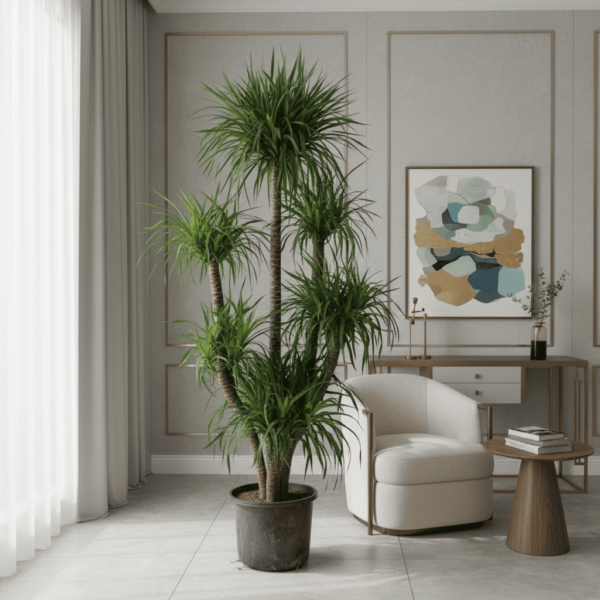
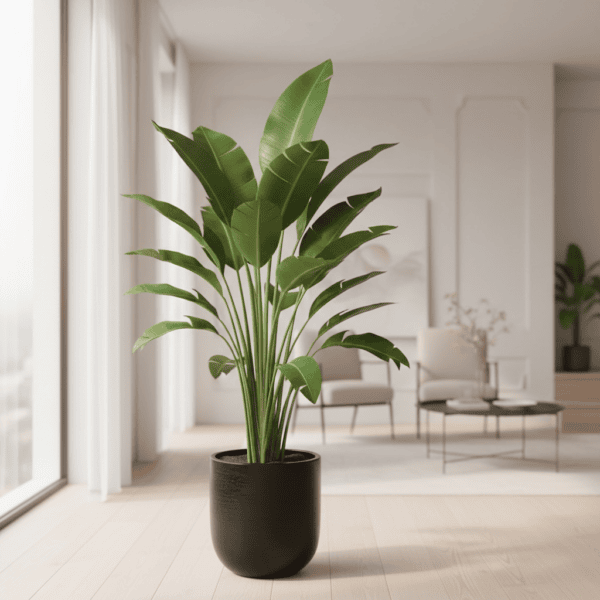
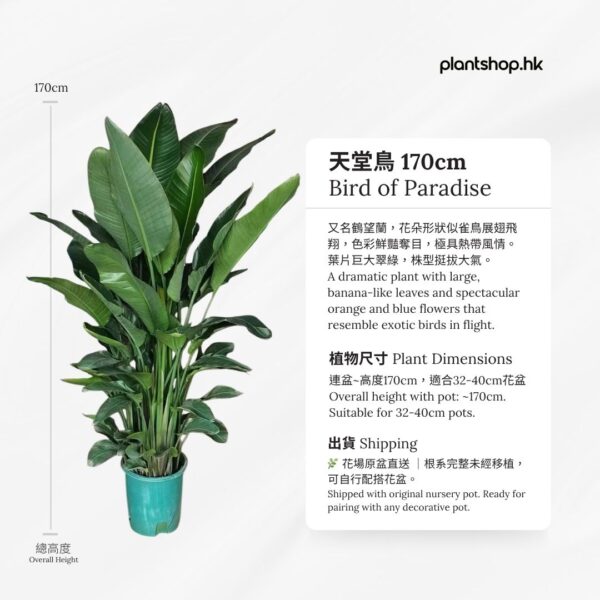
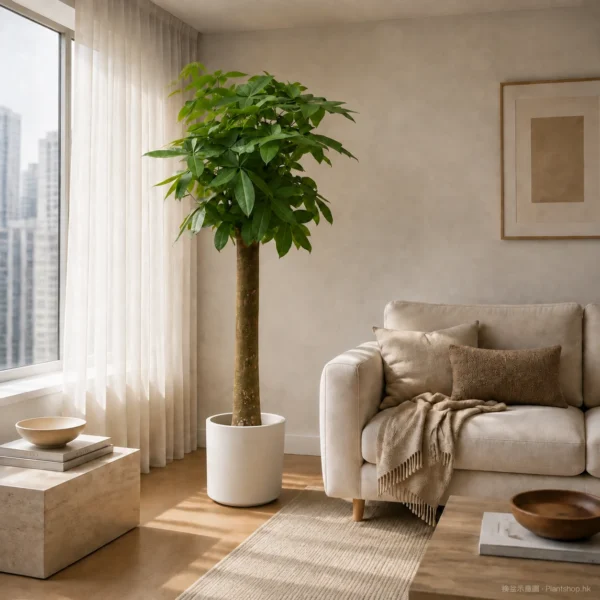
Below are the plants mentioned in this article, available for direct purchase. Each comes with a personal care card and real human WhatsApp support:



7-day health guaranteeFree delivery over HK$1,500WhatsApp help from a real person
FAQs
Common Pest Identification and Control Scale Insects — Brown Bumps on Leaves and Stems
Identification: Small brown or white shell-like bumps adhered to leaves and stems. Infested plants stop growing; leaves turn yellow.
Spider Mites — Fine Dots and Webbing on Leaf Undersides
Identification: Tiny yellow dots on leaf undersides; in severe infestations, fine webbing threads between leaves. Microscopic — a magnifying glass is needed to confirm.
Aphids — Clusters on Tender Stems
Identification: Small green, black, or translucent insects massing on tender stems and leaves; affected areas curl and deform.
Whiteflies — Flying White Specks
Identification: Shake the plant; a cloud of tiny white insects lifts.
