



Pause contact before the pot moves
Finding suspicious marks under a reception leaf often prompts an immediate move. But carrying the pot past other foliage and reaching for the shared cleaning cloth can widen the trail before anyone has recorded it. Decide where it is going before picking it up.
In this article
Pause contact through leaves, tools and runoff; photograph the concern; then arrange a separate, suitable position and a named carer. Isolation helps reduce contact. It still needs to be followed by identification, care and an appropriate treatment decision, rather than simply leaving the pot in another corner.

Record the plant and its recent contacts
Open a record with the plant reference, original position and date. Photograph the whole plant, suspect area and leaf undersides. Describe observations such as “white deposits” or “small moving insects” without assigning a pest name prematurely.
List plants with touching foliage and those recently handled with the same scissors, cloth or drainage equipment. There is no need to declare the entire office affected; use the contact record to prioritise inspection. Identify the problem before deciding on treatment.
Choose a destination that still supports care
The temporary position still has to support a living plant. Choose suitable light and care access, with separation from other pots and control over contact. Keep away from food preparation, busy circulation and places where a colleague might casually move it again. Label the pot with its lead contact and a request to leave it in place.
Clear the route so the crown can pass without brushing other foliage. Heavy containers need suitable assistance and equipment. A sealed plastic bag is not a long-term home. Where no workable isolation position exists, limit contact and agree the next step with the person responsible for plant care instead of passing the pot to another office.
Make the handover specific
| Field | What to enter | Purpose |
|---|---|---|
| Plant and original position | Reference, location and image filenames | Avoid an ambiguous “reception plant” |
| Observed change | Date, part affected and progression | Preserve evidence without premature diagnosis |
| Possible contacts | Neighbouring pots, equipment and moving route | Prioritise inspections |
| Isolation position | New location and care arrangement | Keep suitable light and practical drainage |
| Owner and follow-up | One lead and the next inspection date | Avoid separate, conflicting treatments |
| Return decision | Identification, treatment record and observations | Do not rely on one apparently clear inspection |
Keep treatment with one responsible lead
Set aside shared cloths, scissors and drainage equipment for appropriate cleaning before reuse. Never pour runoff from the isolated plant into another pot. Care can begin with plants showing no changes and finish with the isolated specimen, followed by cleaning of equipment and hands.
Do not ask colleagues to rotate through homemade sprays before identification or follow a universal spraying calendar. Where a plant-protection product is needed, its local suitability, label, premises restrictions and personnel arrangements must be checked by the responsible person. This plan does not prescribe a product or concentration.
Return the plant on evidence, not a countdown
Before return, review identification, treatment, follow-up inspections and any new changes in contact plants. Different pests and circumstances require different observation periods; “seven days means safe” is not a reliable rule. Continue separate care and reassess where doubts remain.
Quick questions
Can a new plant fill the gap immediately?
First address the original position, contact plants and equipment. Otherwise the replacement may encounter the same unresolved source.
What if the plant is rented?
Check maintenance responsibility and contact the provider before disposal, removal or an unapproved treatment. Keep the record through the handover rather than closing it with “dealt with”.
Inspection points for different foliage
Resolve the existing problem before considering additions. These plant forms also suggest useful inspection points; none comes with a pest-free guarantee.
- Areca Palm: Fine leaflets and clustered stems require time to inspect undersides and the interior of the clump.
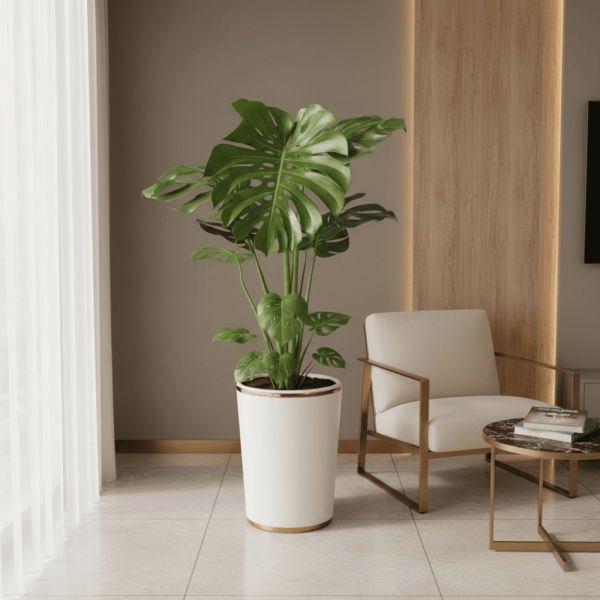
- Monstera Deliciosa: Broad leaves can be checked surface by surface, with petiole junctions and nodes included.
- Burgundy Rubber Plant: Broad, thick leaves reveal surface changes, but inspection should also cover undersides, buds and the pot rim.

Areca Palm
Areca Palm — Feathery, arching fronds that soften a living room, studio or office corner.
- Light: Bright light indoors, protected from sudden intense western sun.
- Watering: Water as the surface dries, maintaining even moisture with drainage.
Hong Kong care guide: Areca Palm (light, watering & common issues)
Before & after purchase · Plantshop Care Encyclopedia
Featured

Monstera Deliciosa
Monstera Deliciosa — A large, 130–150cm indoor plant with sculptural split leaves that brings confident tropical form to living rooms, offices and entrances.
- Best in bright, indirect light; avoid harsh afternoon sun
- Let the compost become almost dry, then water thoroughly and allow it to drain
Hong Kong care guide: Monstera Deliciosa (light, watering & common issues)
Before & after purchase · Plantshop Care Encyclopedia

Featured

Burgundy Rubber Plant
Burgundy Rubber Plant — glossy dark foliage and a distinct branching form for your living room or workspace. Choose a position with bright, indirect light.
Hong Kong care guide: Burgundy Rubber Plant (light, watering & common issues)
Before & after purchase · Plantshop Care Encyclopedia
