



Something shifted in offices after the pandemic. Not gradually — sharply. Anyone managing a workspace felt it the moment people returned: the expectations had changed. More daylight. More air. A space that felt, in some legible way, like it had been designed for humans. The bare white box with its standing desk and motivational poster had become almost offensive in its indifference. Greening was the most immediate answer.
Why Post-Pandemic Office Design Prioritises Nature — post pandemic office design
During those months at home, people worked surrounded by different things. Some had houseplants on the windowsill. Some had gardens. Nearly all had more natural light than a typical commercial floor offers in a week. When they returned to the office, the contrast registered viscerally. Research published during this period confirmed what people already knew in their bones: environments with natural elements consistently score higher on metrics of wellbeing, creativity, and psychological safety. The shift ran in both directions. Employees began asking for greener spaces. Companies began deploying greenery as a signal — legible, deliberate, unmistakable: we’ve thought about what it’s like to work here.
What “Post-Pandemic Greening” Looks Like in Practice
It’s less about the statement plant and more about integration. The most considered post-pandemic offices don’t treat plants as decoration added after the space is designed — they treat them as part of the design itself. Plants near workstations, not only in reception. Green divisions between departments in place of grey partitions. Break areas that function as genuine retreats rather than slightly wider corridors. A composition of commanding floor plants for spatial structure and intimate desk plants that belong to individual employees.
The desk plant matters more than most people anticipate. When an employee has a small plant at their own workstation — one they chose, one they water — the relationship is different from a shared floor specimen. It creates a modest but tangible sense of ownership in the space. That sense of ownership is one of the underrated factors in whether people actively want to show up.
What Companies Are Doing Well
The best post-pandemic office greening has a few things in common: it began with the employee experience in mind, not the press photograph. It chose species that could survive the environment without becoming a part-time job for someone. And it was sustained — not a burst of greenery for the reopening photos, then slow decline as no one watered them.
A legal firm in Admiralty asked us to rethink their common areas in 2023. The brief wasn’t “make it look polished for the photos.” It was “make people want to stay for lunch rather than leave the building.” Twelve months on, they reported a measurable increase in lunchtime floor occupancy. The plants were part of that shift — alongside better seating and improved natural light. But they were the most immediate change possible.
Our Perspective
Post-pandemic office greening is not a trend with an expiry date. The expectations employees formed during years of working from home — more human environments, more natural light, spaces that feel designed for actual people — aren’t receding. Companies that invest in their physical environment now, with genuine intention and considered species selection, are investing in how their people feel about arriving every morning. That isn’t decoration. That’s culture.
PlantShop specialises in 130–180cm large plants for corporate spaces. We work with companies of all sizes on greening that fits their environment and maintenance reality. WhatsApp us for a real-person conversation.
Related Products
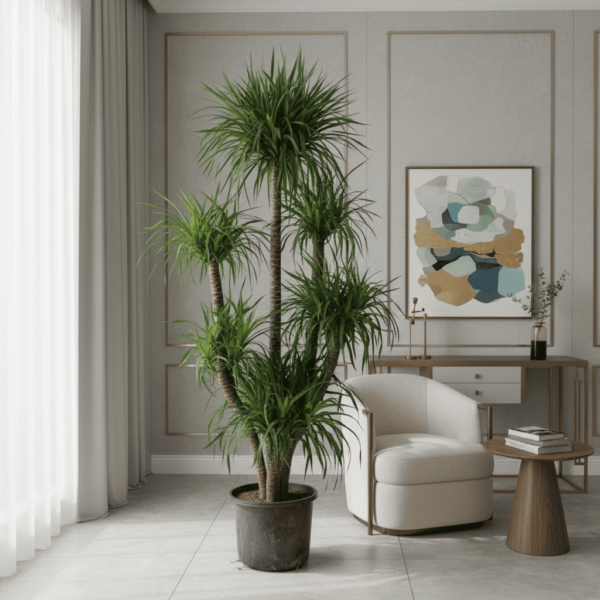
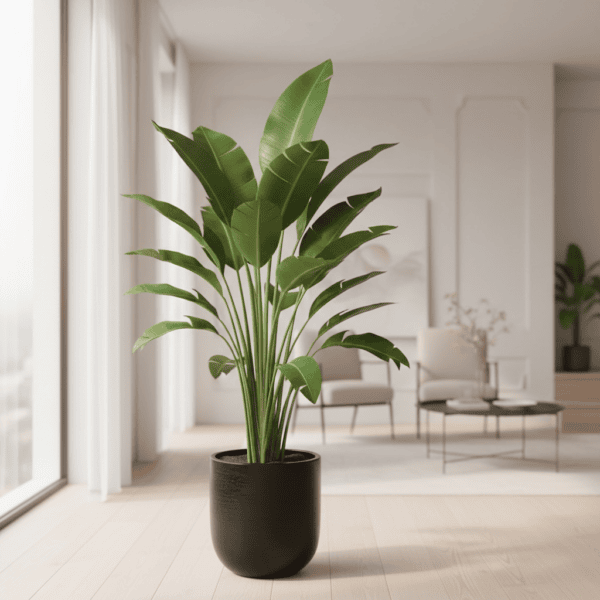
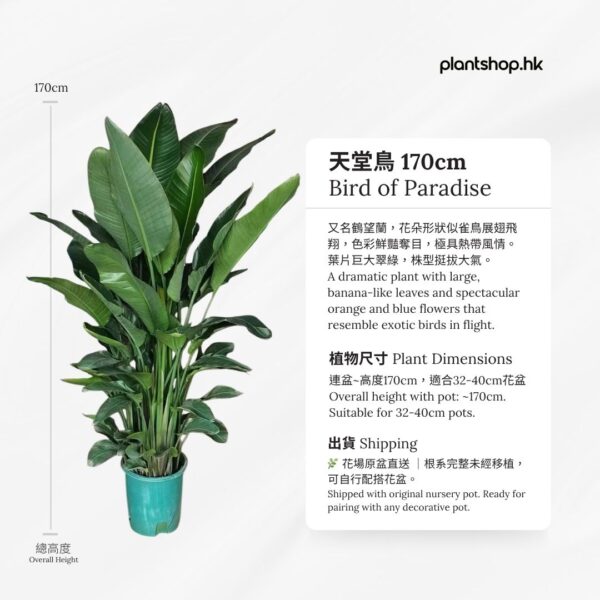
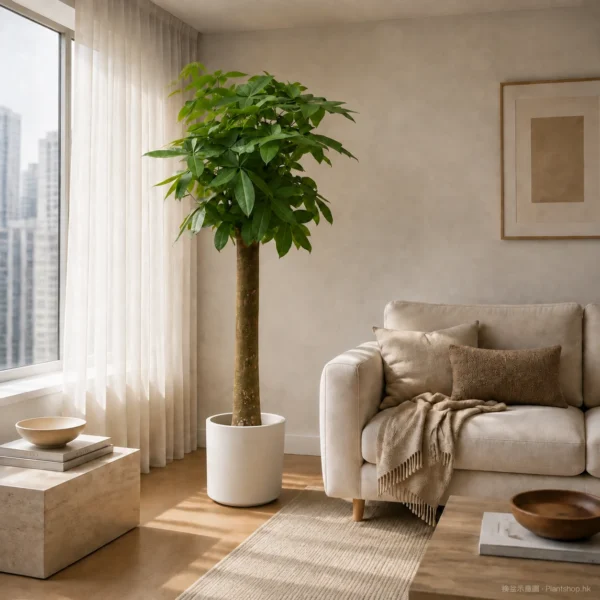
PlantShop specialises in 130–180cm large plants for corporate spaces. Each pot comes with a personalized care card. Browse our collection:



7-day health guaranteeFree delivery over HK$1,500WhatsApp help from a real person
FAQs
Why Post-Pandemic Office Design Prioritises Nature
During those months at home, people worked surrounded by different things. Some had houseplants on the windowsill. Some had gardens. Nearly all had more natural light than a typical commercial floor offers in a week. When they returned to the office, the contrast registered viscerally. Research published during this period confirmed what people already knew in their bones: environments with natura
What "Post-Pandemic Greening" Looks Like in Practice
It's less about the statement plant and more about integration. The most considered post-pandemic offices don't treat plants as decoration added after the space is designed — they treat them as part of the design itself. Plants near workstations, not only in reception. Green divisions between departments in place of grey partitions. Break areas that function as genuine retreats rather than slightl
What Companies Are Doing Well
The best post-pandemic office greening has a few things in common: it began with the employee experience in mind, not the press photograph. It chose species that could survive the environment without becoming a part-time job for someone. And it was sustained — not a burst of greenery for the reopening photos, then slow decline as no one watered them.
Our Perspective
Post-pandemic office greening is not a trend with an expiry date. The expectations employees formed during years of working from home — more human environments, more natural light, spaces that feel designed for actual people — aren't receding. Companies that invest in their physical environment now, with genuine intention and considered species selection, are investing in how their people feel abo
