



Open Instagram and search #officedecor. Offices from San Francisco to Stockholm begin to look, after a point, like variations on a single theme: a Fiddle-Leaf Fig in a concrete pot, a cluster of succulents arranged on white ceramic, a Monstera anchoring a meeting room corner. Google does it. Airbnb does it. The Nordic lifestyle shop with twelve products and a waiting list does it. Why does the world converge on the same handful of species? Is there, in fact, a universal formula for the greened office?
Why does the world converge on the same handful of species? Is there, in fact, a universal formula for the greened office?
Silicon Valley: Plants as Spatial Strategy — office plant trends 2025
Google’s offices have always announced themselves as environments that resist the ordinary — open, chromatic, deliberately stimulating. Their preference for Fiddle-Leaf Fig and Monstera is not incidental. The Fiddle-Leaf Fig stands tall enough to delineate zones in open-plan spaces; the Monstera has leaf architecture striking enough to photograph at every angle, perfectly calibrated for a company whose visual identity lives online. These are not a gardener’s choices. They are a spatial designer’s choices.
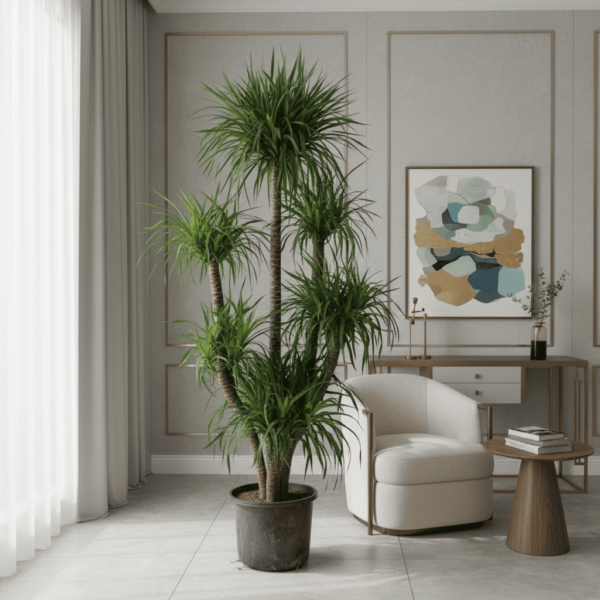
Apple’s aesthetic is a different proposition entirely. The minimalist discipline established in the Steve Jobs era persists — the Madagascar Dragon Tree‘s rigid, vertical silhouette; every pot legible as a piece of considered industrial design. Apple does not want “natural style.” It wants controlled nature.
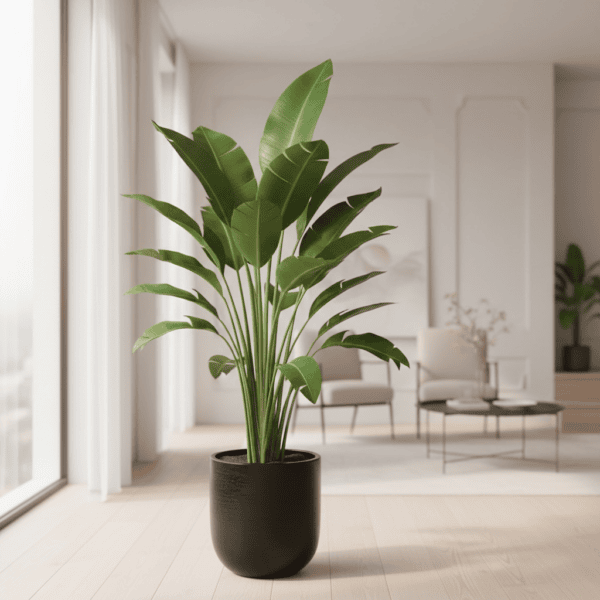
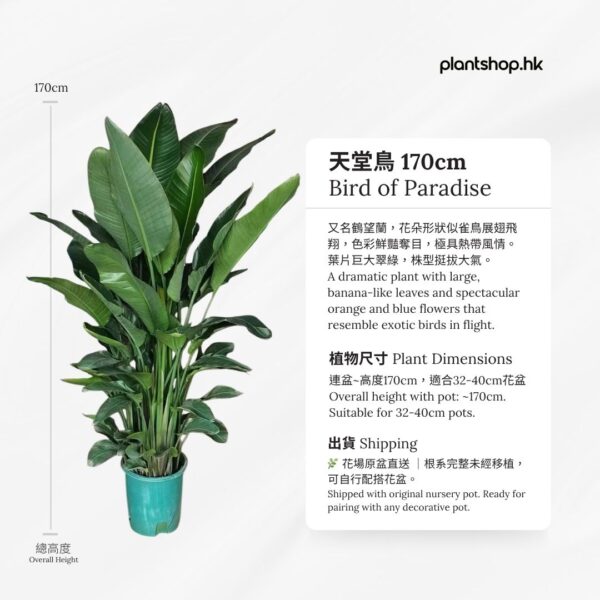
Airbnb pursues warmth and welcome. The Giant Bird of Paradise brings the languorous authority of a resort lobby; the Golden Pothos Totem constructs a sense of home from the inside out. Every plant choice mirrors the brand’s essential promise: this place is for you to be comfortable in.
Nordic and Industrial: Geography as Aesthetic Determinant
Nordic offices favour large leaves, restraint in number, and white planters — and there is a practical logic to it. Northern daylight hours are brief; interiors must maximise reflected light. White vessels paired with deep green foliage generate strong visual contrast, creating a focal point through grey winters when the view outside offers nothing.
Industrial-style offices reach for cacti and agave — raw concrete walls paired with architecturally rugged plants, two species of hardness in conversation. Warm lighting is non-negotiable; without it, the space risks reading as a multi-storey car park with aspirations.
2025–2026 Trends: Directions Worth Watching
Living Walls Go Mainstream
Plant walls have moved from novelty to standard in European and American offices. New irrigation infrastructure has dramatically reduced running costs; moisture sensors now monitor soil humidity without human intervention. For Hong Kong, where floor space commands a premium, vertical greening may ultimately be more practical than floor-standing specimens — every square centimetre of wall is real estate the floor cannot offer.
The Return of the Large Plant
Post-pandemic office reopenings have confronted many companies with a realisation: employees need spatial delineation — a sense of territory within an open plan. Plants above 1.5 metres — the Fiddle-Leaf Fig, the Giant Bird of Paradise — have become soft dividers in these environments. Less architecturally final than partitions, but sufficient to give people the psychological sense of a boundary. Presence without enclosure.
Desktop Plants Miniaturise
At the other end of the scale: air plants, hydroponic specimens, moss terrariums. As personal workstations contract, plants contract with them. The benefit is reciprocal — when every person has their own plant, the relationship with it is specific and personal in a way that a shared floor plant cannot replicate.
Sustainable Provenance Enters the Brief
European and American companies are increasingly asking where their plants were grown, how far they were transported, what growing medium was used. This line of inquiry connects directly to ESG reporting and shows no sign of reversing.
Our Reading
After surveying these tendencies globally, one thing stands out: the plant species themselves have not materially changed. What has changed is the sophistication of our understanding of what a workspace should feel like — and the demand that plants serve that understanding deliberately.
The Fiddle-Leaf Fig has dominated commercial interiors not because it is easy to care for (it is, frankly, demanding) but because a single specimen simultaneously addresses three requirements: it is tall enough to carry spatial authority, elegant enough to signal taste, and sufficiently alive to feel like an object of genuine care rather than furniture. One plant. Three functions.
Rather than chasing the current cycle of trends, begin with a question: what atmosphere, specifically, do you want this space to produce? The answer will direct you to the right plant without difficulty.
PlantShop specialises in 130–180cm large floor plants: Fiddle-Leaf Fig, Monstera, Giant Bird of Paradise, and other widely sought varieties — each hand-picked. Styling questions? WhatsApp us for a direct reply from the team. 3–7 business day delivery.
— PlantShop Horticulture Team
Related Products
Below are the plants mentioned in this article, available for direct purchase. Each comes with a personal care card and WhatsApp support from a real person:




FAQs
Silicon Valley: Plants as Spatial Strategy
Google's offices have always announced themselves as environments that resist the ordinary — open, chromatic, deliberately stimulating. Their preference for Fiddle-Leaf Fig and Monstera is not incidental. The Fiddle-Leaf Fig stands tall enough to delineate zones in open-plan spaces; the Monstera has leaf architecture striking enough to photograph at every angle, perfectly calibrated for a company
Nordic and Industrial: Geography as Aesthetic Determinant
Nordic offices favour large leaves, restraint in number, and white planters — and there is a practical logic to it. Northern daylight hours are brief; interiors must maximise reflected light. White vessels paired with deep green foliage generate strong visual contrast, creating a focal point through grey winters when the view outside offers nothing.
2025–2026 Trends: Directions Worth Watching
Living Walls Go Mainstream Plant walls have moved from novelty to standard in European and American offices. New irrigation infrastructure has dramatically reduced running costs; moisture sensors now monitor soil humidity without human intervention. For Hong Kong, where floor space commands a premium, vertical greening may ultimately be more practical than floor-standing specimens — every square c
Our Reading
After surveying these tendencies globally, one thing stands out: the plant species themselves have not materially changed. What has changed is the sophistication of our understanding of what a workspace should feel like — and the demand that plants serve that understanding deliberately.
