
Confirm the route and destination before packing
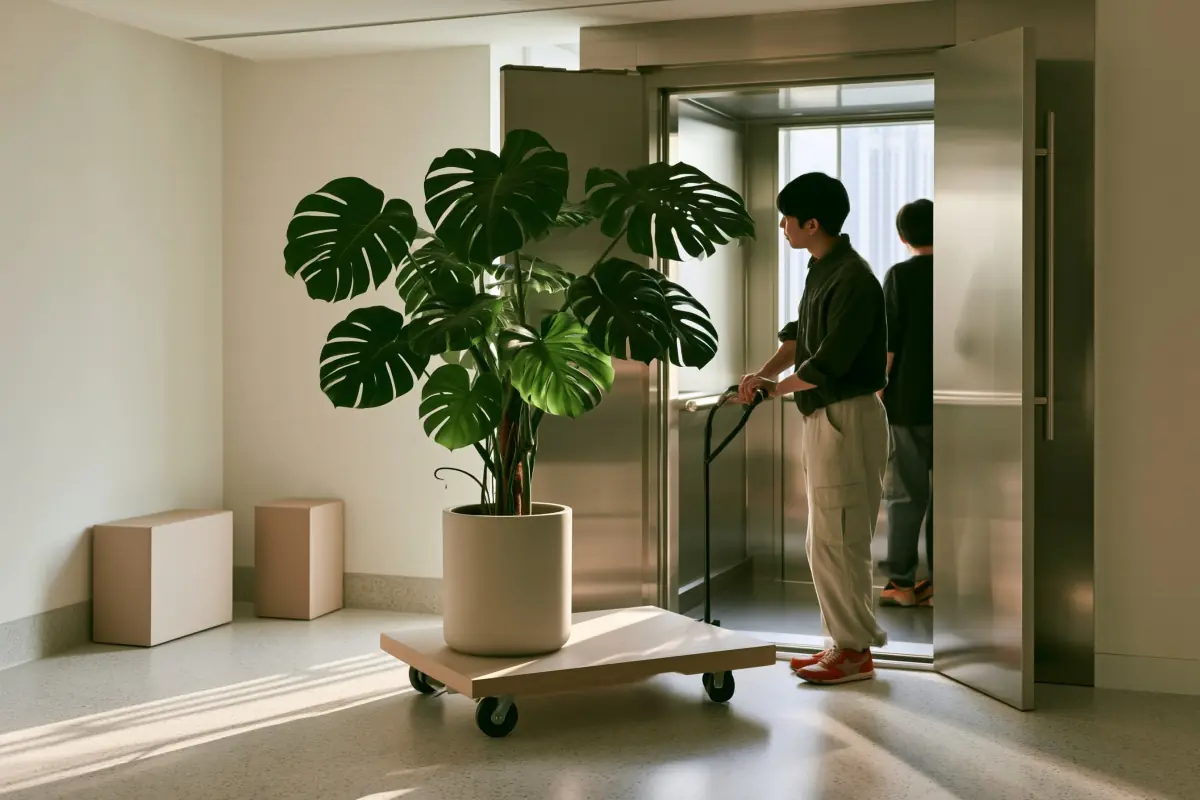
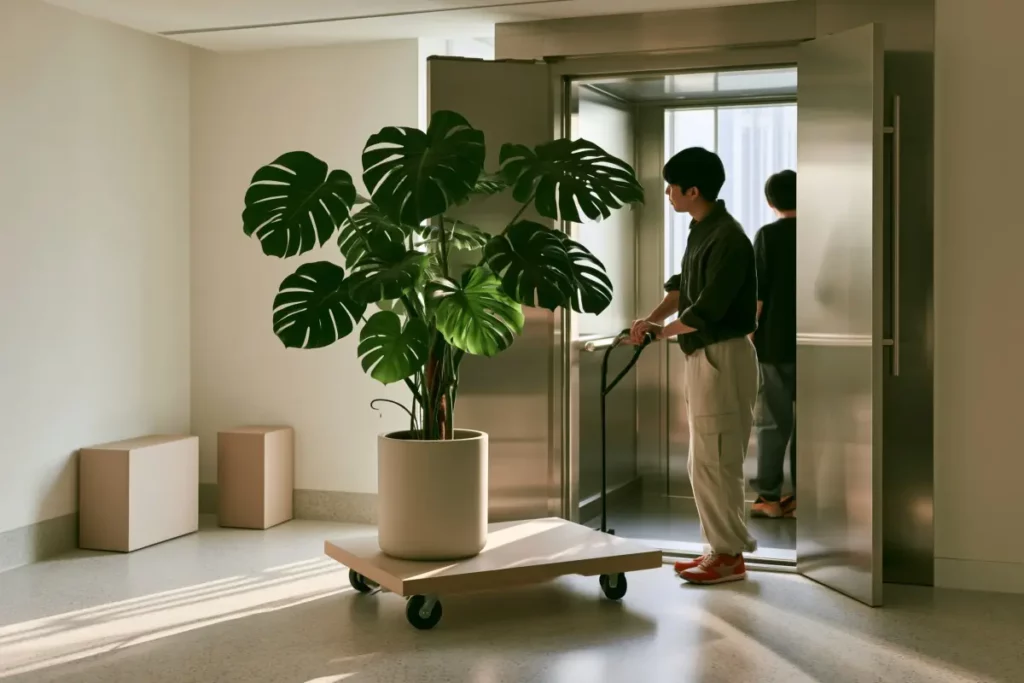
Measure the complete arrangement and restrictive parts of the route, confirm suitable handling, then plan the wrapping. A plant that fits the new living room may still fail to pass an old corridor corner, lift entrance or new doorway.
This checklist covers potted plants in a local Hong Kong home move, not cross-border transport, lifting operations or specialist engineering. Heavy, fragile, unstable or awkward arrangements need assessment by a capable handling team. Plantshop’s standard delivery information is not a promise of a home-removal service; confirm special requirements separately.
Before the move, describe the plant and route together
| Information | Record | Ask the handling team |
|---|---|---|
| Plant and container | Whole-plant photo, overall height, natural spread and maximum pot diameter | Can it be moved in its natural shape? |
| Weight and material | Provide known specifications; mark unknowns honestly | What people, equipment and support are needed? |
| Inner pot, cover and stand | Whether components separate, with photographs | Should they be moved separately, and how? |
| Old entrance and corners | Clear width, height and turning space | Which section limits the move? |
| Lifts at both buildings | Doors, cars, bookings and management requirements | Are the goods lift and time slot confirmed? |
| New entrance and position | Route, floor protection and temporary holding area | Can the plant reach a safe position directly? |
Do not infer the complete weight from pot volume. Container material, moisture and accessories all contribute. Where weight needs establishing, leave the method to the handling team.
In the days before moving, reduce uncertainty
Inspect pests, cracked containers, loose supports and existing damage, and photograph them. Check the new home’s light, blinds and air outlets, and reserve a safe arrival position rather than leaving the plant waiting in a corridor or vehicle.
Water according to need and allow surplus water to drain. Do not deliberately dehydrate the plant to reduce weight or automatically saturate it immediately before loading. If the medium is already moist, record that condition.
Avoid combining the move with unnecessary major pruning, repotting or support removal. Discuss size or safety problems with the handling team and plant supplier instead of cutting off substantial foliage at the doorway.
On moving day, protect pots, foliage and the root ball
Wrapping should cushion contact without forcing leaf stalks into sharp bends. Identify fragile foliage, spines and supports beforehand, and let the handling team choose restraint appropriate to the arrangement. Do not lift the load by the main stem, leaf stalks or decorative rim parts.
Penn State’s transport guidance emphasises protecting foliage and roots and avoiding lifting by stems. It primarily addresses landscape plants; the protection and support principles are relevant here, but its transport positions for trees should not be copied automatically for indoor pots.
Avoid prolonged strong sun, sealed heat and direct wind, and do not leave plants in an unattended hot vehicle. Secure the load without obstructing the driver’s view or safety equipment. If the route is unsuitable, stop and reassess instead of forcing the plant through.
At the new home, reassess what 'beside the window' means
Unwrap carefully, check for new damage, confirm stability and look for collected water before settling the plant in its assessed position. Window direction, neighbouring buildings and glazing may differ. A plant that lived beside an old window should not automatically go into the strongest sun in the new home.
The University of Georgia’s acclimatisation guidance explains the risk of suddenly stronger light for indoor plants. Its example concerns moving outdoors; applying the caution to a brighter new home is a practical inference, not a reason to place the plant in darkness.
Let the new drying pattern inform watering rather than copying the old weekly schedule. Seek advice for persistent wilt, substantial new yellowing, a soft stem base or pest signs, using before-and-after photographs and environmental details.
Copy this before, during and after checklist
| Stage | Confirm | Owner and completion |
|---|---|---|
| Before | Dimensions, both routes and handling method confirmed | ____ |
| Before | Pot condition, photographs, actual moisture and drainage | ____ |
| Before | New position and temporary holding space ready | ____ |
| During | Secure wrapping without bent stalks or harmful exposure | ____ |
| Arrival | Unwrapped; damage, stability and collected water checked | ____ |
| After | Light, drying pattern and symptom trends reassessed | ____ |
If the new home is not yet accessible, arrange suitable temporary light, temperature and a named carer. Prolonged sealed storage is not a default solution for ordinary houseplants.
Common questions
Can I lay a plant sideways to reduce its height?
That depends on the plant, support, medium and container. Have the handling team assess the arrangement to avoid spilled medium, a shifted root ball or broken stalks.
Can the inner and outer pots travel together?
Consider weight, stability, material and whether they can separate. Nested objects are not automatically suitable as one load-bearing unit.
Are a few fallen leaves after moving always harmless?
Leaf count alone is not enough. Compare the previous condition and whether decline continues, checking moisture, light and actual damage.
For the new layout, use the large-plant guide to organise size and style needs, then consult care information for each plant’s new position.
Plants and moving accessories to check before relocation
Plan transport around the actual plant form and combined plant-and-pot weight. Product pages help identify the plant, but doorways, lifts and the new position still need to be measured on site.
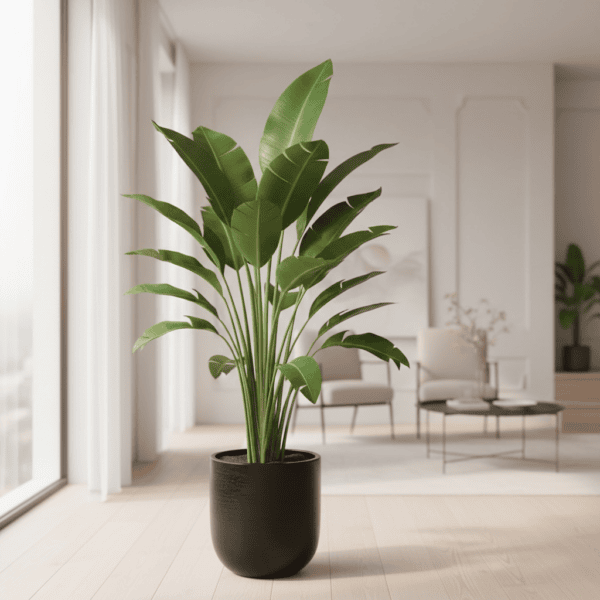
- Giant Bird of Paradise: Measure a giant bird of paradise to its tallest leaf and widest point. Protect the leaf stalks during packing rather than forcing them to bend through a doorway.
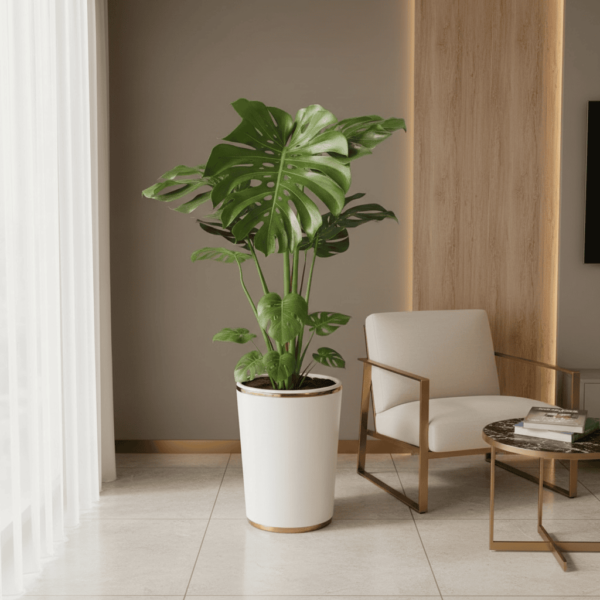
- Monstera: Check a monstera’s outward-reaching leaves and any supports. Assess clearance after packing to reduce snagging on furniture at corners.
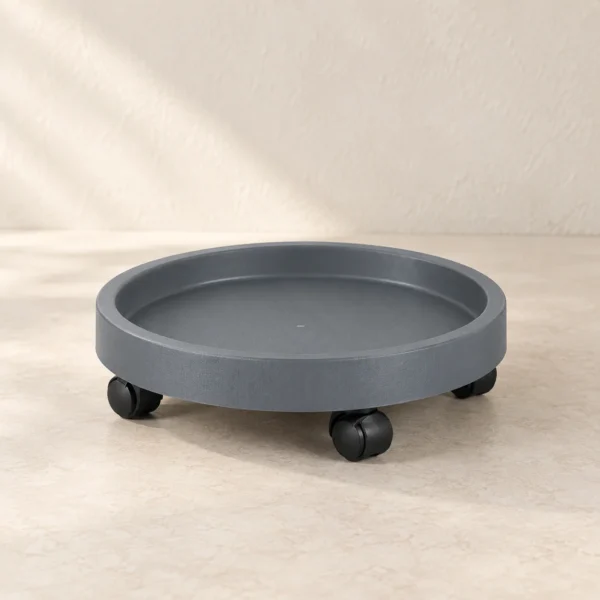
- Grey wheeled drip tray: Ask about the grey wheeled drip tray’s suitability for routine repositioning, including fit and load capacity. Thresholds, stairs and vehicle loading still require suitable transport equipment.
Hot

Giant Bird of Paradise
Giant Bird of Paradise — A large Strelitzia nicolai, approx. 170cm tall, with upright stems and broad tropical leaves for bright living rooms, offices and entrances.
- Strong vertical form for larger indoor spaces
- Best in bright light; acclimatise gradually before stronger direct sun
- Water when the top 2–3cm of soil feels dry, then drain thoroughly
Hong Kong care guide: Giant Bird of Paradise (light, watering & common issues)
Before & after purchase · Plantshop Care Encyclopedia
Hot

Monstera Deliciosa
Monstera Deliciosa — A large, approx. 130cm indoor plant with sculptural split leaves that brings confident tropical form to living rooms, offices and entrances.
- Best in bright, indirect light; avoid harsh afternoon sun
- Water when the top 2–3cm of soil feels dry, then drain thoroughly
- Original nursery pot included; decorative planter upgrade available
Hong Kong care guide: Monstera Deliciosa (light, watering & common issues)
Before & after purchase · Plantshop Care Encyclopedia