



Plan the next home before clearing the space
When an office plant no longer fits its position, check ownership and condition before deciding what to keep, pass on or arrange for suitable recycling or disposal. Assess the living plant, nursery pot, decorative container, saucer and used mix separately. Confirm the next destination before booking their removal.
In this article
- Plan the next home before clearing the space
- Read the arrangement as separate items
- Separate plant condition from container value
- Confirm a destination that can work
- A record that follows each item to handover
- Finish with a handover, then review the next purchase
- Let the last arrangement inform the next
A change at reception can leave a healthy plant without a place overnight. Put it in a storage room while decisions are pending and it can quietly lose both its light and its carer. A short, dated plan is more useful than keeping a collection of pots for an unspecified future project.

Read the arrangement as separate items
Start with purchase or rental records and the person responsible for the scheme. Identify company plants, employees’ plants, borrowed displays and supplier-owned pots. The elements may look like one arrangement while belonging to different owners: a company plant can sit in someone else’s container. Establish permission before promising any part to a recipient.
Rented and borrowed items follow their existing agreements and owners’ instructions. For the company-owned items covered here, assign a simple reference and mark whether each is awaiting a decision or approved for collection. A cleaner or mover should be able to read that status without interpreting where a pot has been left.
Separate plant condition from container value
Look at the whole plant, leaf undersides, mix and containers, then record recent pests, treatments and unexplained changes. A tidy appearance is not clearance. UMN Extension advises separating infested plants from healthy ones; an unresolved pest problem or continuing decay calls for isolation and assessment before any offer of collection.
For a healthy plant, consider a suitable position elsewhere in the office before finding an external recipient. Assess the container separately for cracks, drainage, access and whether it can be cleaned. Reusing an empty pot does not establish that its old mix suits the next plant. Measure the moving route for a large specimen instead of dragging it out by the stem to meet a clearance deadline.
Confirm a destination that can work
Before a transfer, provide the plant name, dimensions with its pot, recent condition, care history and included components. The recipient needs suitable light, space, a moving arrangement and a named person to care for it. An expression of interest is not a completed handover.
For recycling or disposal, check whether the receiving organisation accepts items from a company, the material, size and condition, and how components should be separated. The Environmental Protection Department’s GREEN@COMMUNITY FAQ says to enquire where recyclability is uncertain; it does not establish that every centre accepts office planters, potting mix or plants. Wait for acceptance before taking items to a collection point.
A record that follows each item to handover
| Item | Establish first | Proposed destination | Before handover |
|---|---|---|---|
| Plant and nursery pot | Owner, identity and condition | Internal reuse, suitable recipient or assessment | Acceptance, care handover and date |
| Cover pot and saucer | Owner, cracks and cleanability | Reuse or confirmed handling route | Material, dimensions and component list |
| Used mix | Plant history and treatments | A route appropriate to its condition | Clear identification; keep out of fresh mix |
| Plant awaiting assessment | Unresolved pests or decay | Separate holding and assessment | Carer, review date and next action |
Finish with a handover, then review the next purchase
While an item waits, keep its care active: appropriate light, a responsible person and a review date. At handover, check the reference, quantity and components, then record what was accepted, postponed or left behind. Retain the details needed to follow the transfer, without collecting unrelated personal information.
The same record can improve the next purchase. Was the problem plant condition, available care or a position lost to new furniture? Settle that question before choosing a replacement of the same size for the same spot.
Let the last arrangement inform the next
Let the reason for retirement inform the next choice. Settle the old plant’s destination before comparing these options for the new position and care routine.
- Burgundy Rubber Plant: Dark, broad foliage can form a defined focal point. Allow for canopy and moving access so the next furniture change does not immediately displace it.
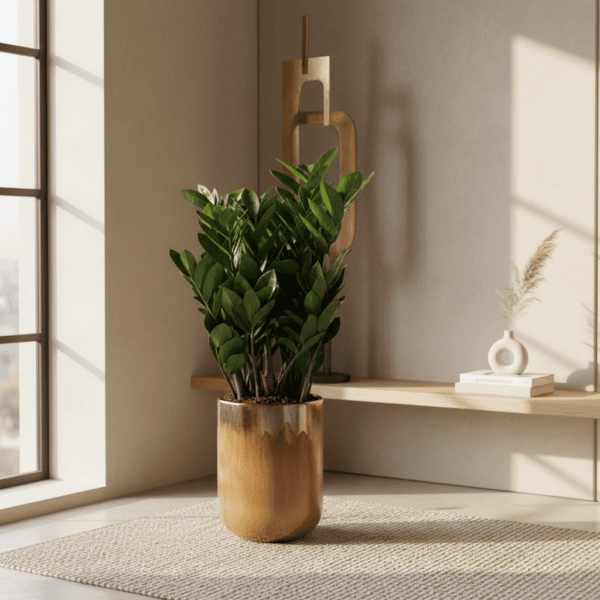
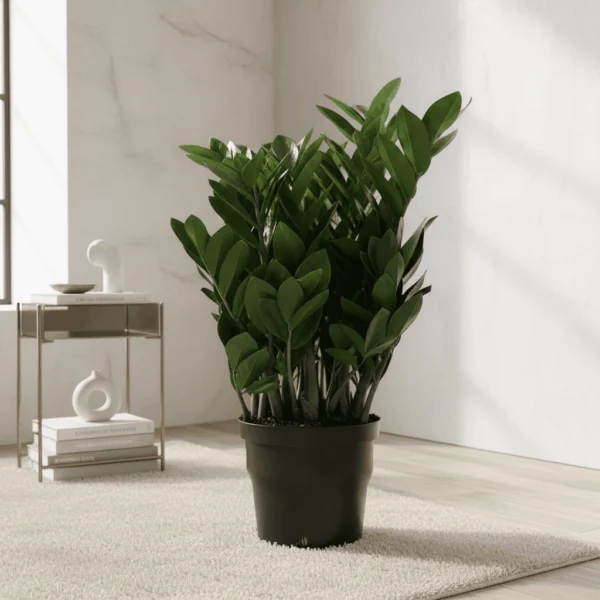
- ZZ Plant: Its tolerance of drier intervals may suit a less frequent watering routine, with suitable light and an assigned carer. It still needs a growing position.
- Areca Palm: Arching fronds bring layered foliage. If the previous arrangement obstructed a route, measure the actual spread rather than choosing by pot diameter alone.
Featured

Burgundy Rubber Plant
Burgundy Rubber Plant — glossy dark foliage and a distinct branching form for your living room or workspace. Choose a position with bright, indirect light.
Hong Kong care guide: Burgundy Rubber Plant (light, watering & common issues)
Before & after purchase · Plantshop Care Encyclopedia
Featured
ZZ Plant
ZZ Plant — Glossy, deep green leaflets on upright stems; it copes with lower light and infrequent watering.
- Light: Bright indirect light to sun, introduced gradually.
- Watering: Water thoroughly only after most of the mix dries; never leave standing in water.
Hong Kong care guide: ZZ Plant (light, watering & common issues)
Before & after purchase · Plantshop Care Encyclopedia


Areca Palm
Areca Palm — Feathery, arching fronds that soften a living room, studio or office corner.
- Light: Bright light indoors, protected from sudden intense western sun.
- Watering: Water as the surface dries, maintaining even moisture with drainage.
Hong Kong care guide: Areca Palm (light, watering & common issues)
Before & after purchase · Plantshop Care Encyclopedia
