



Begin with what colleagues will know afterwards
Build an office plant workshop around one achievable skill, then choose the specimens, activities and care arrangements that support it. Participants might learn to assess moisture, recognise a growing structure or leave a useful care record. An intact plant can teach all three; taking part need not mean repotting or cutting.
In this article
- Begin with what colleagues will know afterwards
- Give the session one question to answer
- Prepare the room for the work being done
- A 45-minute example with time to clear up
- From observation to handover
- Two different arrangements after the session
- Look for a skill that survives the session
- Choose a specimen for the learning objective
A meeting room borrowed after lunch offers a useful constraint: the session has to include setting up, clearing away and deciding where every pot goes next. Those decisions belong before the compost and scissors arrive. Use this guide to plan your own session around the people, room and plants available.
Give the session one question to answer
Ask whether a particular pot needs water today. Participants can compare where they checked, what they felt or saw, and the action they would take; everyone pouring in turn would miss the point. A propagation session can begin just as simply, by identifying the stem, petiole and node on a whole plant or in clear close-ups before considering any cutting.
A facilitator familiar with the species should assess the specimen first. Uncertain identity, health or ownership calls for photographs or another suitable plant. Obtain permission for the actual handling proposed: a rental plant or an employee’s plant is not available for cutting, repotting or transfer simply because it stands in the meeting room.
Prepare the room for the work being done
- Define demonstration, recording and clearing areas while keeping access open. Have suitable assistance handle floor plants instead of passing heavy pots between seats.
- Protect surfaces with appropriate working trays and separate tools and mix from food, drinks and electronics. Set out only the quantities needed.
- Plan cleaning between uses of tools. Do not circulate a plant with suspected pests, or mix used compost into unused material.
- Choose protection for the task and read material labels. RHS notes that handling dry potting media can release dust; avoid pouring from height or working directly in an air stream.
- Offer observation, photography or record-keeping roles. Useful participation need not involve touching sap or mix, or using scissors.
A 45-minute example with time to clear up
This is an example rather than a fixed teaching specification. Reduce practical activities to suit the group, room and plants, while preserving time for clearing and handover.
From observation to handover
| Stage | Example time | Participant task | Plant arrangement |
|---|---|---|---|
| Objective and roles | 5 min | Understand the question and choose a role | Confirm the specimen and permitted handling |
| Group observation | 15 min | Use the same record, then compare decisions | Observe stable plants in position |
| Facilitator demonstration | 10 min | Watch one suitable, needed operation | Confirm the need before acting; avoid demonstration overwatering |
| Discussion and care record | 10 min | Write the next action, carer and review | Retain a name and record for each pot |
| Clearing and handover | 5 min | Collect tools, sort materials and confirm destinations | Return plants to their planned care positions |
Two different arrangements after the session
For plants staying at work, assign a suitable position, carer and review time. Clearing the meeting room does not mean putting them in a dark cupboard until the next session. Record any pruning or repotting so the next person knows what has changed.
If the event includes plants to take home, plan that before purchasing: species, actual size, transport, available home light, instructions and whether receiving a plant is optional. A large demonstration plant should not become an unexpected prize at the end. Tools, unused mix and plants without a recipient also need someone responsible for them.
Look for a skill that survives the session
The useful follow-up is small and specific. Can participants explain a decision? Does each pot have a next step? Can its carer work from the record? If one is missing, simplify the next topic or its practical activities before ordering more materials.
Must you buy a new plant? A healthy existing specimen used with permission, or clear photographs, may already serve the purpose. Should every pot be fed during the session? Keep feeding, watering and repotting tied to individual plant needs. An activity timetable is not a care instruction.
Choose a specimen for the learning objective
If the session needs a demonstration specimen, compare these three against the learning objective, available product options and room capacity.
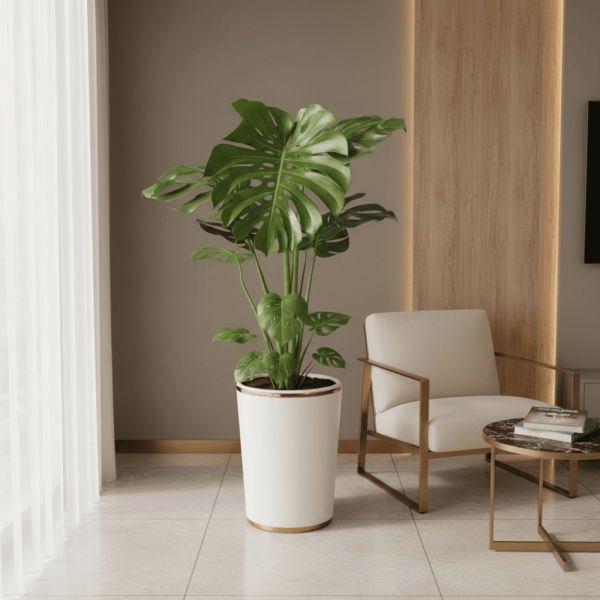
- Monstera Deliciosa: Use an intact specimen to identify petioles, stems, nodes and aerial roots. Establish suitable material and permission separately if cutting is required.
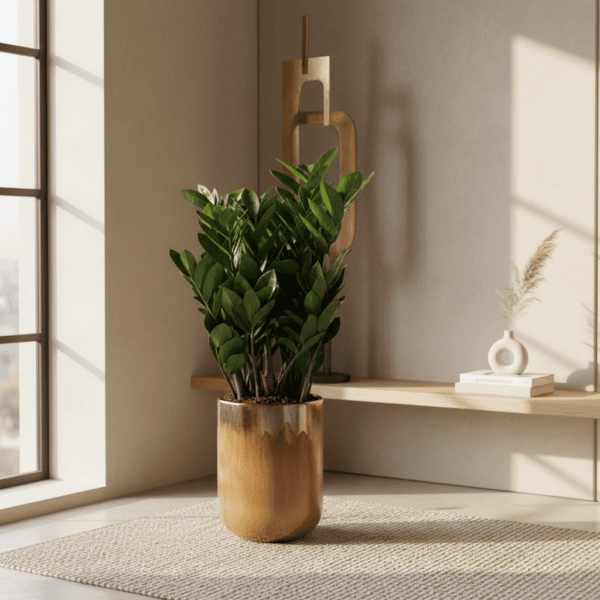
- ZZ Plant: Use its tolerance of drier intervals to discuss watering decisions, replacing turns with the watering can with a careful check of the pot.
- Burgundy Rubber Plant: Its mature broad leaves and newer tip growth help illustrate leaf development and whether cleaning is needed. Demonstrate in position rather than passing a heavy pot around.
Featured

Monstera Deliciosa
Monstera Deliciosa — A large, 130–150cm indoor plant with sculptural split leaves that brings confident tropical form to living rooms, offices and entrances.
- Best in bright, indirect light; avoid harsh afternoon sun
- Let the compost become almost dry, then water thoroughly and allow it to drain
Hong Kong care guide: Monstera Deliciosa (light, watering & common issues)
Before & after purchase · Plantshop Care Encyclopedia
Featured
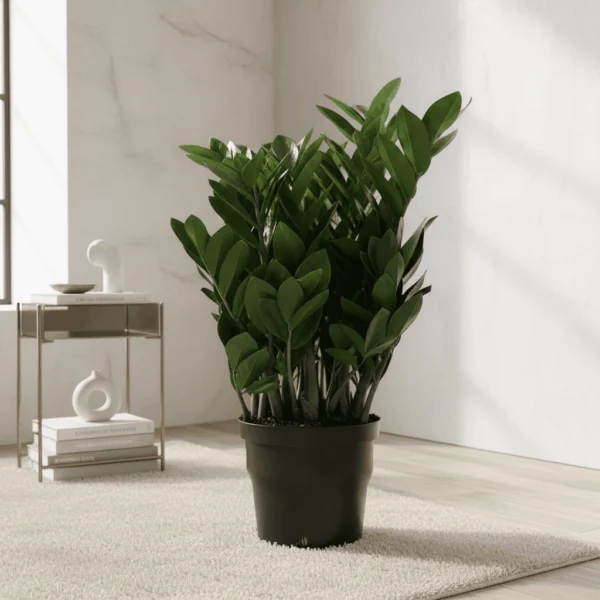
ZZ Plant
ZZ Plant — Glossy, deep green leaflets on upright stems; it copes with lower light and infrequent watering.
- Light: Bright indirect light to sun, introduced gradually.
- Watering: Water thoroughly only after most of the mix dries; never leave standing in water.
Hong Kong care guide: ZZ Plant (light, watering & common issues)
Before & after purchase · Plantshop Care Encyclopedia

Featured

Burgundy Rubber Plant
Burgundy Rubber Plant — glossy dark foliage and a distinct branching form for your living room or workspace. Choose a position with bright, indirect light.
Hong Kong care guide: Burgundy Rubber Plant (light, watering & common issues)
Before & after purchase · Plantshop Care Encyclopedia
