



Hong Kong winter is not the cold of other latitudes — no snow, no prolonged freeze, no mornings when the pipes stiffen. But for indoor plants, it is still a reckoning. The particular hostility of a Hong Kong winter is not temperature alone; it is the oscillation. Heaters running for hours, raising the room to 25°C, drawing indoor humidity below 30%. Air conditioning that never stops. An indoor environment that swings further from what most tropical plants expect than the calendar would suggest. Here is how to carry your plants through those months intact, and into the flush of spring growth on the other side.
With shorter days and falling temperatures, most indoor plants enter dormancy — a state of suspended pace, not decline. Growth slows or halts entirely. Water requirements fall significantly. Metabolic rate decreases; nutrients are neither needed nor processed. This is the plant’s own rhythm, not a distress signal. The only correct response is to follow it.
In this article
Watering: The Most Critical Adjustment — Water Significantly Less
Plants absorb water at a fraction of their growing-season rate in winter. Continue watering on your usual schedule and root rot is the near-certain consequence.
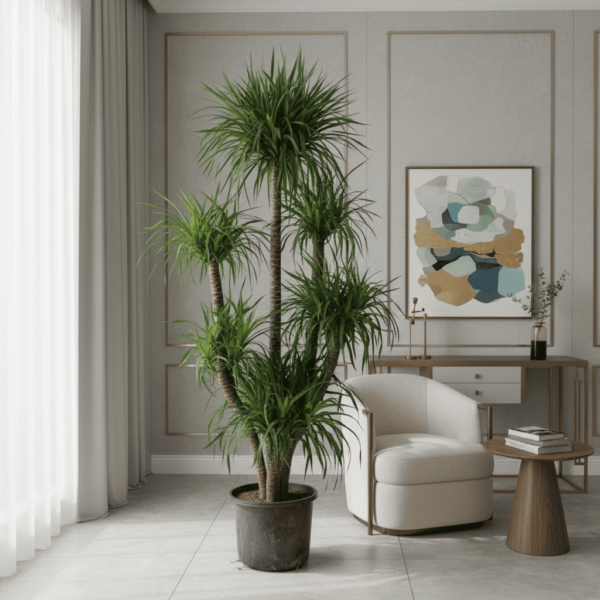
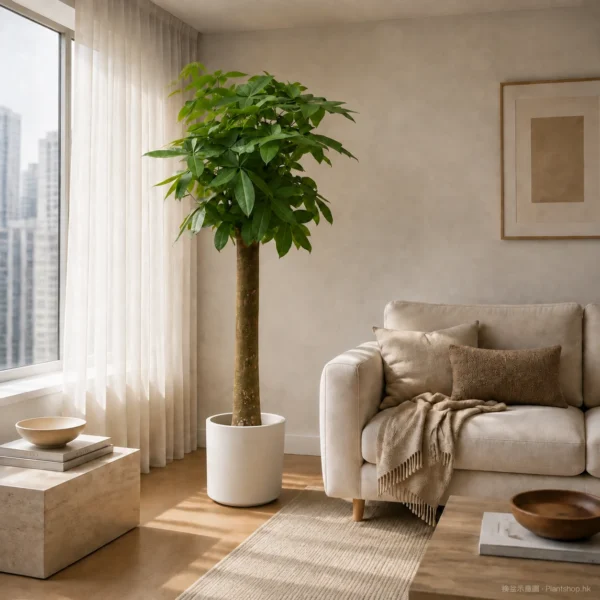
How to Adjust The finger-press method remains the most reliable guide: press 2cm into the soil and water only when it registers as dry. What dries in seven days in spring and summer may take fourteen or more in winter. Drought-tolerant specimens — Money Trees, Madagascar Dragon Trees — can extend their intervals further still. The principle remains: dry is always safer than wet.
Best Time to Water Choose midday, when temperature differentials are smallest. Use water at room temperature — cold tap water carries a thermal shock to roots that they will feel for days.
Nam Yee Warning Hong Kong winters bring occasional returning-humidity days — that particular returning humidity when the air thickens and condensation gathers on cold surfaces. During these periods, soil dries at a near-imperceptible rate. Watering can be paused almost entirely. Read the soil, not the calendar.
Temperature: Heaters, Not Frost, Are the Real Threat
Hong Kong’s winter temperatures typically range between 10–20°C — a range that most indoor plants accommodate without difficulty. The genuine hazard is the domestic heater. When heaters run for sustained periods, indoor temperatures climb above 25°C while humidity collapses below 30%. For tropical plants accustomed to equatorial moisture, this combination is a kind of sustained assault.
How to Respond Keep plants clear of heater vents: direct warm airflow desiccates leaf tissue with speed, causing curl and browning at the margins. Mist lightly each morning: a fine mist across the foliage raises immediate local humidity; avoid evening misting — leaves should be dry before temperatures fall. Humidity tray: set the pot over a shallow tray of pebbles and water; evaporation rises steadily around the plant through the day. Group plants together: clustered specimens generate a shared microclimate, modestly but meaningfully elevating the ambient humidity between them.
Cold Snap Protocol Hong Kong occasionally dips below 10°C for brief periods: Move plants back from windows to avoid cold air seeping through the glass. Draw curtains after dark — glass conducts cold directly to whatever rests against it. In severe cold, wrap the pot loosely in newspaper; the plant’s crown does not need insulation, only the roots.
Light: Shorter Days Require Deliberate Repositioning
Winter’s lower sun angle reduces both the intensity and duration of indoor light. Plants that previously received adequate illumination may now find themselves in conditions that fall below what they need. Move plants slightly closer to windows — but away from any cold draught the glass carries. Clean windows: dust on glass reduces light transmission measurably. Wipe dust from leaf surfaces — accumulation on foliage impairs photosynthesis as surely as reduced ambient light. For chronically underlit positions, LED grow lights are energy-efficient and effective; even a modest supplemental source extends the usable light day.
Fertilising: Suspend Entirely
Plants in dormancy cannot process fertiliser. Any applied will not be absorbed and will accumulate in the soil as salt — a slow but real source of root damage. October through February: no fertiliser at all. March onward: resume only once new growth is visibly breaking — the plant signals its own readiness.
FAQ
Q: Leaves turning yellow in winter — what does this mean?
First, identify which leaves are yellowing. One or two ageing lower leaves: normal senescence — remove them and proceed. Multiple leaves yellowing simultaneously: almost certainly overwatering, or temperatures that have fallen below the plant’s tolerance. Reduce watering. Reconsider the plant’s position.
Q: Leaf tips turned brown after running the heater?
The air is too dry. Increase misting frequency and introduce a humidity tray. Morning misting is best — leaves require the full day to dry before temperatures fall again overnight.
Q: My plant has stopped growing entirely — is it dying?
Dormant growth in winter is entirely normal. Provided the leaves remain green and turgid, the plant is healthy. Wait for March, and it will push new growth when it is ready.
Q: When do I resume normal care?
Around March, as new growth becomes visible, return gradually to regular watering and fertilising. Let the plant’s own pace set the schedule.
Every plant from PlantShop ships with a care card containing seasonal adjustments. For anything that looks uncertain, WhatsApp us — a person replies, and we work through it directly. We specialise in 130–180cm large plants, personally selected and delivered from our greenhouse.
Related Products
Below are the plants mentioned in this article, available for direct purchase. Each comes with a personal care card and WhatsApp support from our team:


7-day health guaranteeFree delivery over HK$1,500WhatsApp help from a real person
FAQs
Watering: The Most Critical Adjustment — Significantly Less
Plants absorb water at a fraction of their growing-season rate in winter. Continue watering on your usual schedule and root rot is the near-certain consequence.
Temperature: Heaters, Not Frost, Are the Real Threat
Hong Kong's winter temperatures typically range between 10–20°C — a range that most indoor plants accommodate without difficulty. The genuine hazard is the domestic heater. When heaters run for sustained periods, indoor temperatures climb above 25°C while humidity collapses below 30%. For tropical plants accustomed to equatorial moisture, this combination is a kind of sustained assault.
Light: Shorter Days Require Deliberate Repositioning
Winter's lower sun angle reduces both the intensity and duration of indoor light. Plants that previously received adequate illumination may now find themselves in conditions that fall below what they need. Move plants slightly closer to windows — but away from any cold draught the glass carries. Clean windows: dust on glass reduces light transmission measurably. Wipe dust from leaf surfaces — accu
Fertilising: Suspend Entirely
Plants in dormancy cannot process fertiliser. Any applied will not be absorbed and will accumulate in the soil as salt — a slow but real source of root damage. October through February: no fertiliser at all. March onward: resume only once new growth is visibly breaking — the plant signals its own readiness.
