


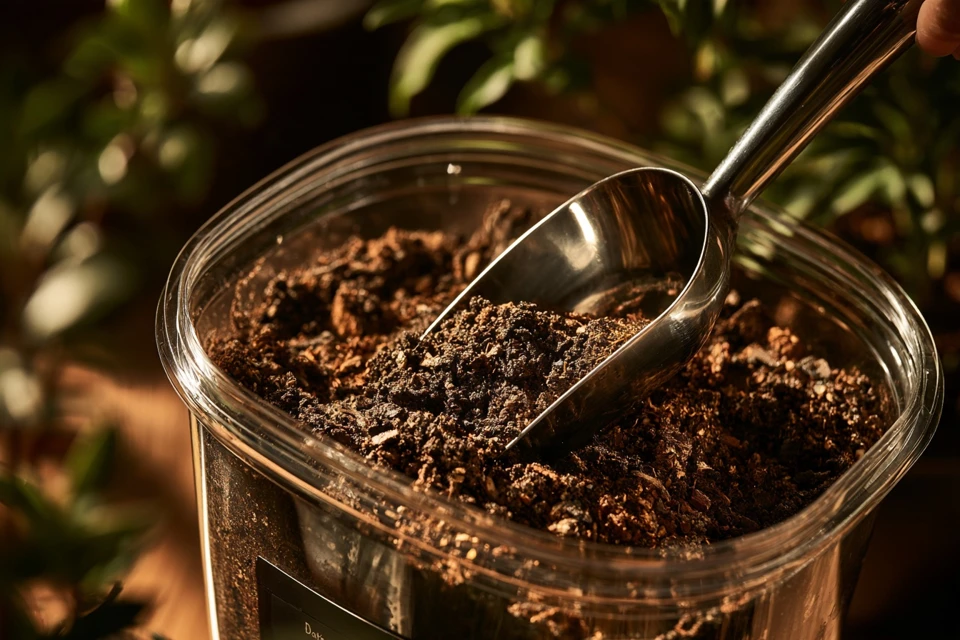

Keep the label with the leftover mix
Half a bag of potting mix has a way of disappearing behind cleaning supplies or under a balcony cupboard. By the next repot, the useful details may have disappeared too: what the mix contains, when it was opened and whether rain has reached it.
In this article
Store unused mix closed and labelled in a cool, dry place, following the packaging, and keep it separate from material emptied out of old pots. Their histories matter. Keeping the label and a simple opening date makes the next decision easier than trying to identify a loose handful by its appearance.
Keep the label with the contents
The original label does useful work long after the first pot is filled. Keep the intended use, ingredients, incorporated feed, production information and handling instructions. If another suitable container is needed, keep or photograph the label and add the opening date and storage location. Avoid food and drink containers that could be mistaken for something else.
RHS notes that potting compost can deteriorate with time and poor storage. Treat a date as one clue alongside what has happened to the bag. A recent purchase that has been flooded or left open does not become suitable simply because it is relatively new.
Choose the storage conditions deliberately
- Avoid direct sun, a hot window position and nearby hot-water equipment; follow the package’s storage conditions.
- Keep it out of rain and leaks, separate from cleaning liquids, paint and other possible contaminants.
- Close the package appropriately and keep used wet tools and spent soil out.
- Keep the bag identifiable. In a small home, buy an amount you can use rather than several bags solely for a lower unit price.
Decant the portion you need into a working tray and keep the remainder clean. Work away from food preparation. Follow handling and protective guidance on the label, including dust precautions, and wash your hands afterwards. Do not blow the material around or pour it in front of a fan.
Check before returning it to a plant
| Question | Useful evidence | Decision |
|---|---|---|
| Is it identified? | Original label, purpose and included feed | Do not use unidentified mix for sensitive or recovering plants |
| Has storage changed it? | Torn bag, rain exposure or a chemical leak | Stop using suspected contamination and ask the supplier |
| Anything unusual? | Unexpected odour, visible pests or severe clumping | Separate and inspect; do not tip into a healthy pot |
| Does it suit the job? | Cuttings, established plants or specialist requirements | Match the purpose rather than using it simply because it is available |
| Can you handle it safely? | Weight, dust and workspace | Take manageable portions instead of lifting a whole heavy bag |
Do not turn uncertainty into a treatment experiment
Colour alone, or a small patch of surface growth, cannot establish the suitability of a whole bag. It is not a reason to pour in bleach, add pesticide or heat it in the kitchen oven. If the material or concern is unclear, keep it separate and show the label and condition to the supplier.
Spent mix should particularly stay out of a fresh bag. If its former plant had pests, disease or chemical contamination, the next destination depends on that history; do not give it away as clean unused material. Check an intended receiving channel before handing it over, and never tip it into public planters or drains.
Keep only what has a clear next use
Quick questions
How long can an opened bag last?
Follow the manufacturer’s guidance and the actual storage history; there is no fixed life for every formulation. Estimate the quantity you need before buying and keep the opening date on the bag for the next check.
Can I share a bag?
Arrange clean portions and pass on the original label and date. Do not redistribute spent mix as unused material.
Should I add the same feed whenever I repot?
Check whether the mix already contains fertiliser and what the plant needs. Opening a bag is not a reason to add more.
Which plant is the remaining mix for?
Before storing a mix, consider which plant it is actually intended for. These three need a match to their root-zone and watering conditions rather than one unquestioned recipe.
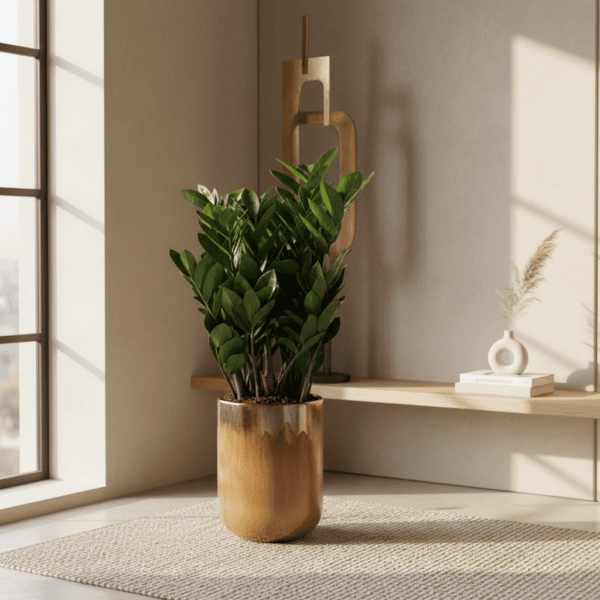
- ZZ Plant: Its tolerance of drier conditions makes the drying interval relevant; leftover water-retentive mix is not automatically the right choice.
- Monstera Deliciosa: Consider its established rootball and support together. Keeping the original mix details makes future repotting decisions clearer.
- Areca Palm: Consider moisture supply alongside aeration rather than choosing a mix or watering solely by surface colour.
Featured
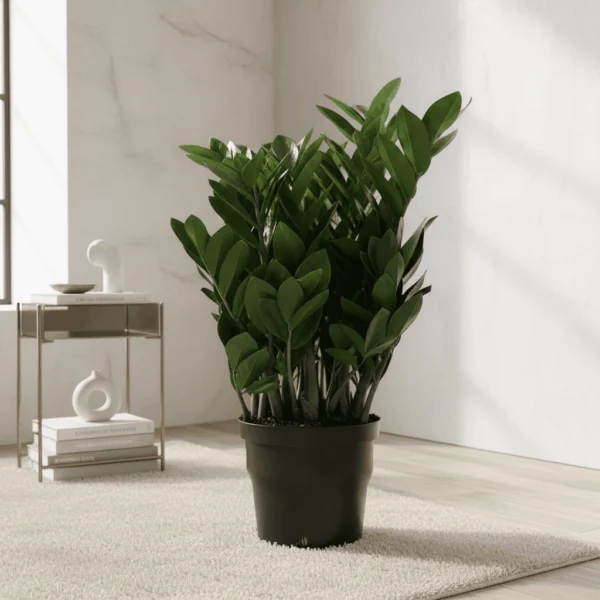
ZZ Plant
ZZ Plant — Glossy, deep green leaflets on upright stems; it copes with lower light and infrequent watering.
- Light: Bright indirect light to sun, introduced gradually.
- Watering: Water thoroughly only after most of the mix dries; never leave standing in water.
Hong Kong care guide: ZZ Plant (light, watering & common issues)
Before & after purchase · Plantshop Care Encyclopedia
Featured

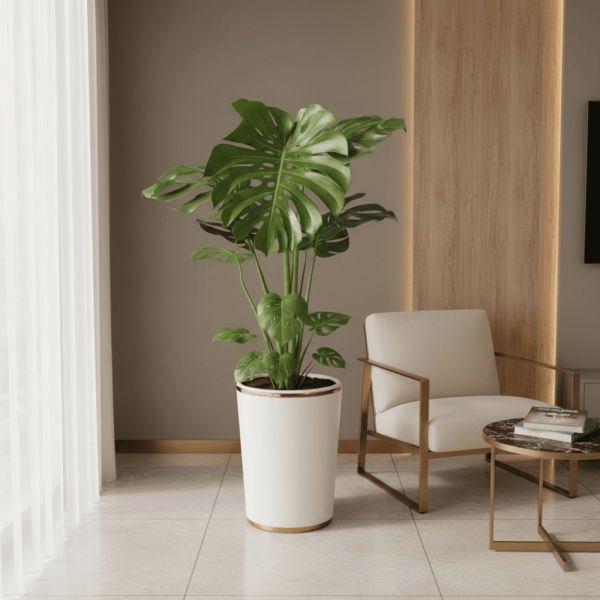
Monstera Deliciosa
Monstera Deliciosa — A large, 130–150cm indoor plant with sculptural split leaves that brings confident tropical form to living rooms, offices and entrances.
- Best in bright, indirect light; avoid harsh afternoon sun
- Let the compost become almost dry, then water thoroughly and allow it to drain
Hong Kong care guide: Monstera Deliciosa (light, watering & common issues)
Before & after purchase · Plantshop Care Encyclopedia


Areca Palm
Areca Palm — Feathery, arching fronds that soften a living room, studio or office corner.
- Light: Bright light indoors, protected from sudden intense western sun.
- Watering: Water as the surface dries, maintaining even moisture with drainage.
Hong Kong care guide: Areca Palm (light, watering & common issues)
Before & after purchase · Plantshop Care Encyclopedia
