
Take a closer look before reaching for a remedy
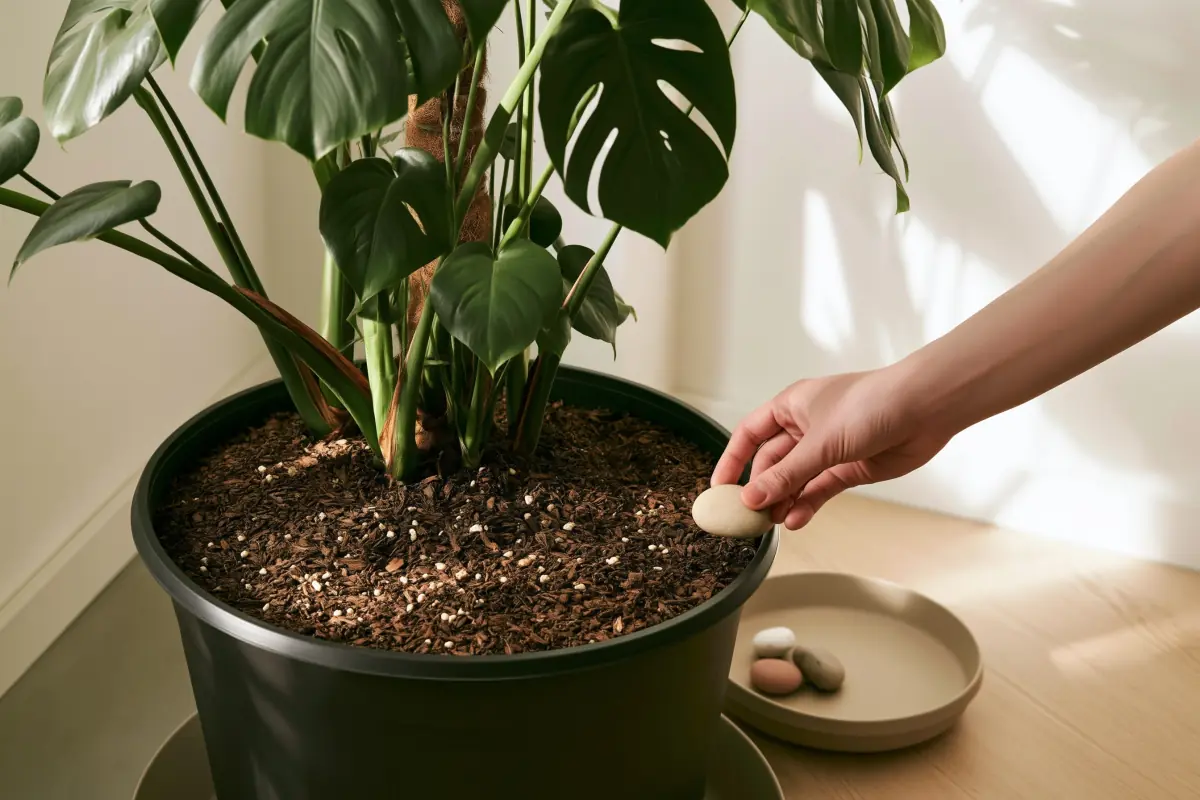
While dusting the shelf, you notice pale grains in a pot and a light ring around its rim. It is tempting to give everything white the same name. Look first: ingredients in the mix, mineral or fertiliser salts and surface fungi can all appear white, sometimes in the same container.
Take a photograph of the whole pot, followed by a closer view of the surface and rim. An old photograph or the original mix packaging may help establish what has changed. Was the material present from the start? Has it spread? And does the plant still look as it did before?
Grains, crusts and growth: three starting points
- Separate pale particles: These may be an original ingredient, such as perlite. The University of Georgia’s container-gardening guide identifies perlite as a white expanded mineral. Compare the bag and original appearance before removing ingredients from the mix.
- A crystalline ring or crust: The University of Maryland’s salt-deposit guide describes white crystals or crusts from mineral and fertiliser salts. Review both the water source and feeding practice.
- A new white or grey surface layer: A fuzzy or spreading layer suggests a different enquiry. Maryland’s guidance on surface fungi describes white-to-grey growth on moist growing media.
These are observation categories, not a diagnosis from a photograph. Do not crush unfamiliar material in your fingers or bring it close to your nose. White material on stems or in leaf joints requires a separate check, including possible pests.
What has gone into the pot?
Record the fertiliser used, the amount and the date, including whether two people may have fed the same pot. Name the water source too. A white mark does not establish that Hong Kong tap water is unusually hard.
Follow the water as well. It should be possible to see whether it leaves the inner pot freely or remains inside the decorative container. Lift the question beyond the visible surface to what is happening beneath it. Note any new top-dressing, different mix or move to a darker position, so newly introduced material can be distinguished from a change that followed different conditions.
You do not need to buy a set of instruments immediately. A short, accurate history is more useful when asking for help than a description of “something white”.
Match the response to the finding
If the material is confirmed as an original ingredient such as perlite and the plant is well, its colour needs no treatment. If salt accumulation is suspected, check the fertiliser label before feeding again. Flushing the mix requires effective drainage. A pot without holes, persistently wet mix or continuing wilt calls for checking the container and root conditions before adding large volumes of water.
For identified surface fungi, address prolonged wetness in a way that suits the species and leave air space between pots. An affected surface layer can be removed carefully without disturbing roots; that is not a reason to dry every plant completely or replace all its mix.
When the cause remains uncertain, keep household bleach, cleaning products and improvised chemical mixtures out of the pot. Appearance alone also cannot establish safety for people or pets.
A white-mark observation sheet
| What you see | Information to add | Next step |
|---|---|---|
| Separate white particles present from the start | Mix packaging and repotting photographs | Identify the ingredient before removing it |
| Crystals on the rim or mix | Feeding, water source and drainage history | Check possible salt sources and the container |
| A new white or grey surface layer | Moisture, airflow and first appearance | Identify the growth and address prolonged wetness |
| White material beyond the potting mix | Close-ups of leaf joints, stems and whole plant | Check other causes rather than applying soil treatment |
| Wilting, a soft stem base or rapid decline | Whole plant, pot base and recent care | Seek a specific assessment rather than wiping the surface |
Make the next observation useful
If the plant is stable, use comparable light for the next photograph and note the change you made. Treating, repotting, feeding and altering watering at once makes the next observation difficult to interpret. If the plant is clearly declining, seek advice without waiting for a complete record.
Identify the species before consulting the care encyclopedia. Similar-looking surfaces can require different care adjustments in different plants, mixes and containers.
Keep the pot accessible, whichever plant you choose
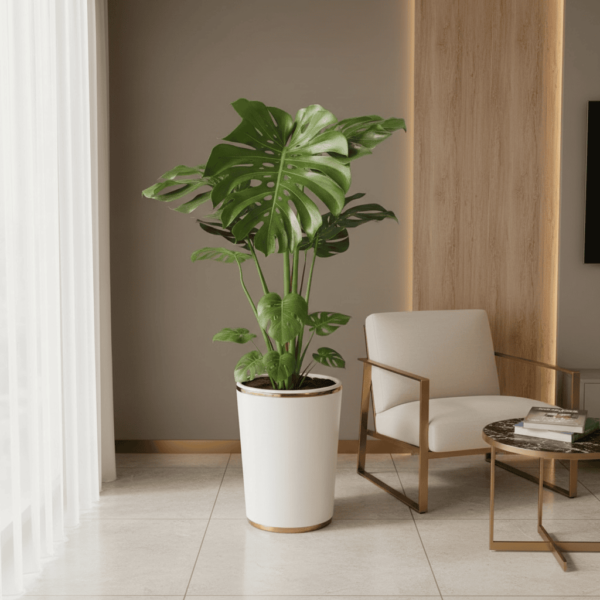
- Monstera: Its broad leaves make a strong outline on a shelf or floor, but can hide the pot surface. Leave access to the inner container for checks.
- ZZ Plant: White material does not mean the plant needs water. Check its own mix and root-zone condition first.
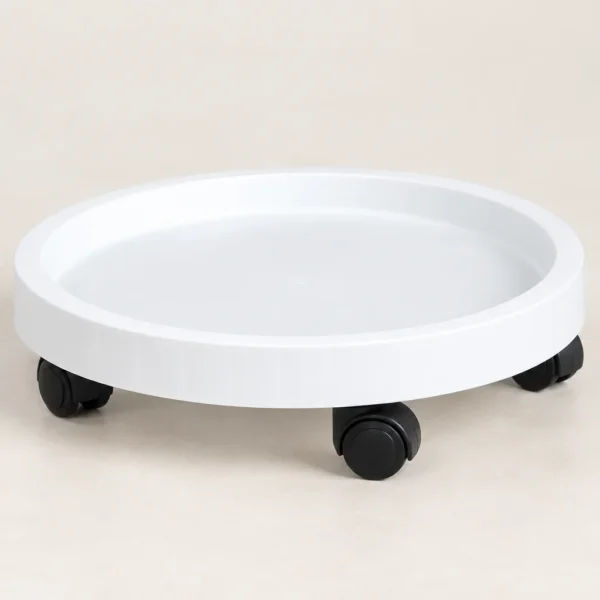
- White wheeled drip tray: Where dimensions and load capacity are suitable, it can help with access. Empty collected water; a tray does not treat salt deposits or fungi.
Hot

Monstera Deliciosa
Monstera Deliciosa — A large, approx. 130cm indoor plant with sculptural split leaves that brings confident tropical form to living rooms, offices and entrances.
- Best in bright, indirect light; avoid harsh afternoon sun
- Water when the top 2–3cm of soil feels dry, then drain thoroughly
- Original nursery pot included; decorative planter upgrade available
Hong Kong care guide: Monstera Deliciosa (light, watering & common issues)
Before & after purchase · Plantshop Care Encyclopedia
Hot

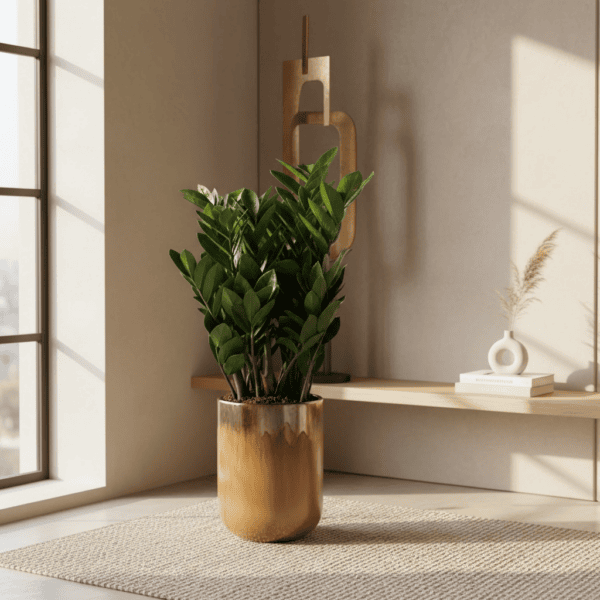
ZZ Plant
ZZ Plant — Glossy, deep green leaflets on upright stems; it copes with lower light and infrequent watering.
- Light: Bright indirect light to sun, introduced gradually.
- Watering: Water thoroughly only after most of the mix dries; never leave standing in water.
- Ships in its original nursery pot; decorative planters are available as an upgrade.
Keep away from pets and children that chew leaves, and wash your hands after contact with the sap.
Hong Kong care guide: ZZ Plant (light, watering & common issues)
Before & after purchase · Plantshop Care Encyclopedia