




Check each position, not just the total quantity
At installation, check the agreed quotation and position schedule item by item, recording what is present, what differs and who will follow up. A correct total can still conceal a wrong container, a canopy blocking access, an unfinished location or unclear watering responsibility.
In this article
- Check each position, not just the total quantity
- Before arrival, make the latest agreed version available
- Inspect the documents, the plant and the final position
- Copy this plant-by-plant handover record
- For differences, record facts, actions and a review date
- Finish by assigning care responsibility
- Common handover questions
- Build your handover list around identifiable products
- Related care PDF
This checklist is a shared handover tool for administration, facilities and the supplier. It does not add service promises, replace the agreement or invent a universal acceptable percentage of damaged leaves. Check the arrangements for plant rental, maintenance and replacement against the confirmed proposal.

Before arrival, make the latest agreed version available
Have the current quotation, plant and container list, position plan and agreed amendments ready. If reception, procurement and installers have different versions, reconcile them before moving the plants in.
Name a receiver who can confirm the arrangement and an escalation contact for undecided matters. Establish goods-lift access, floor protection, temporary holding space and packaging removal in advance. A large planter should not reach the door before anyone discovers that furniture or building materials occupy its position.
Distinguish rental from purchase, including ownership of containers or accessories, permission to relocate plants and the ongoing service scope. Resolve uncertainty against the documents rather than assumptions made on the day.
Inspect the documents, the plant and the final position
- Identity and quantity. Match plant names, arrangements and counts. Record whether any species or container substitution was agreed, rather than noting only that it looks similar.
- Defined dimensions. Use the agreed method for overall height, spread and container size. A camera angle is not a measurement, and natural foliage should not be straightened to reach a number.
- Visible condition. Look at broken branches, stem bases, leaf undersides, the medium surface and visible pests. Distinguish older marks from fresh handling damage without diagnosing the entire plant from one leaf.
- Container and drainage. Check cracks, stability, the inner/outer pot arrangement and access to collected water. Receivers should not dismantle heavy pots to inspect roots.
- Final location. Try doors, chairs and normal circulation. Check for conflicts with foliage, containers and maintenance access, with the site contact confirming applicable route requirements.
Penn State’s indoor-plant guidance supports checking health and pests at purchase. A visible inspection is useful, but cannot rule out every root or latent problem.
Copy this plant-by-plant handover record
Use one record per position and apply its ID to the overall plant photograph, container image and close-ups of any issue.
| Check | Agreed and observed | Difference and next action |
|---|---|---|
| Position ID and quotation version | ____ | ____ |
| Plant name, quantity and arrangement | ____ | Any substitution: __ |
| Overall height, spread and container | ____ | Measurement clarification: __ |
| Foliage, stems and visible medium | ____ | Photo reference: __ |
| Stability, drainage and floor protection | ____ | Action required: __ |
| Final location and circulation | ____ | Site approver: __ |
| Next inspection and watering responsibility | ____ | Contact and owner: __ |
| Open issues and review date | ____ | Follow-up owner: __ |
Photograph only the plant and relevant position where possible, excluding staff, screens, documents and security information.
For differences, record facts, actions and a review date
‘Problem with plant’ is too vague. A more useful example is: ‘R03 outer pot has a side crack, photo R03-02; do not hold water over the timber floor pending the supplier’s proposed action; administration to confirm the review date.’ This is an illustrative record, not a customer case or a promised remedy.
For instability, leaks or obstructed routes, have someone able to do so safely address the immediate risk. For dimensions, colour or substitutions, retain photographs and documents and seek clarification from the responsible contact. Do not close an unresolved item just to complete every tick box.
Finish by assigning care responsibility
State whether the supplier, a named colleague or another person checks and waters the plants. Staff who notice drooping should know whom to notify rather than each adding a cup of water. Record whether watering took place during installation, whether the cover was drained and when the next inspection is arranged.
Also confirm permission to relocate plants, handling during cleaning, reporting of pests or leaks and authorised access for maintenance staff. Do not place door codes in a public or widely circulated handover sheet.
Common handover questions
Do a few marked leaves automatically require replacement?
Consider the type of mark, overall condition and agreed specification. Document it and discuss it with the supplier rather than applying a universal leaf count or percentage.
Can colleagues move plants immediately after arrival?
First check the new position’s light, access, support and maintenance arrangements, and whether relocation is allowed under the proposal. Suitable personnel should handle heavy containers.
Is the checklist a replacement guarantee?
No. It records facts and follow-up. Replacement conditions and service scope remain those of the confirmed arrangement.
For a new project, use the corporate greening service page to organise the brief. For an agreed installation, give the receiver this checklist with the latest quotation, not just an appearance reference.
Build your handover list around identifiable products
These products provide a starting point for identifying names and plant forms. At handover, check the products, quantities, dimensions and planters in the agreed quotation; retail listings do not replace rental handover specifications.
- Madagascar Dragon Tree: For a dragon tree, record the main stems, crown direction and visible condition on arrival so that later photographs are comparable.
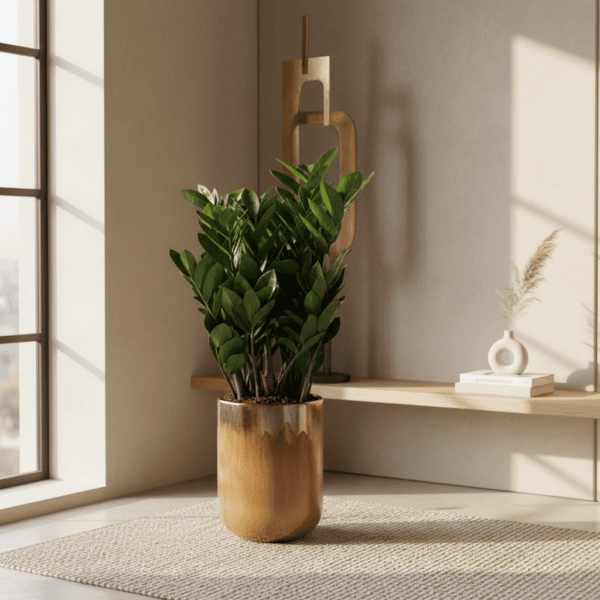
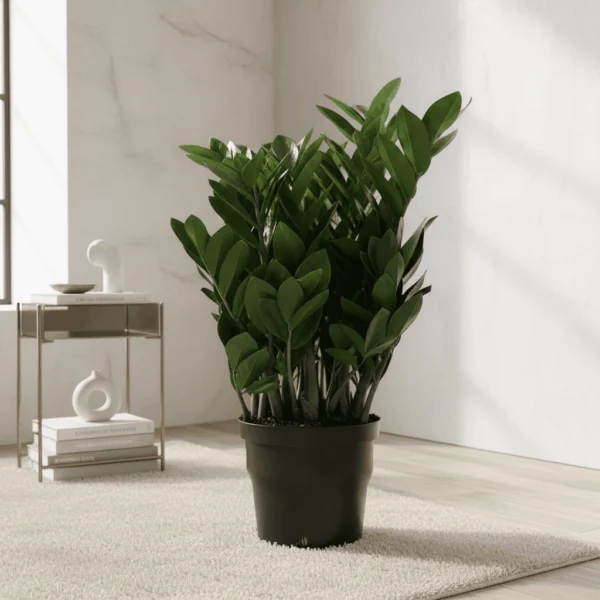
- ZZ Plant: For ZZ plants, record the planter, quantity and location ID together to avoid confusion between similar-looking pots.
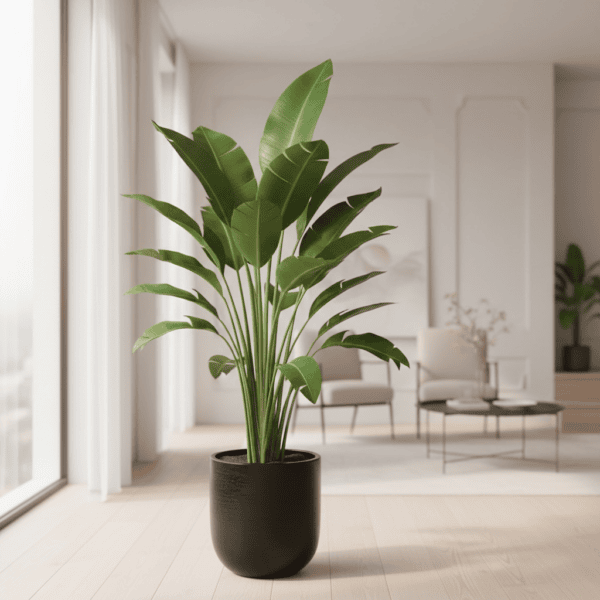
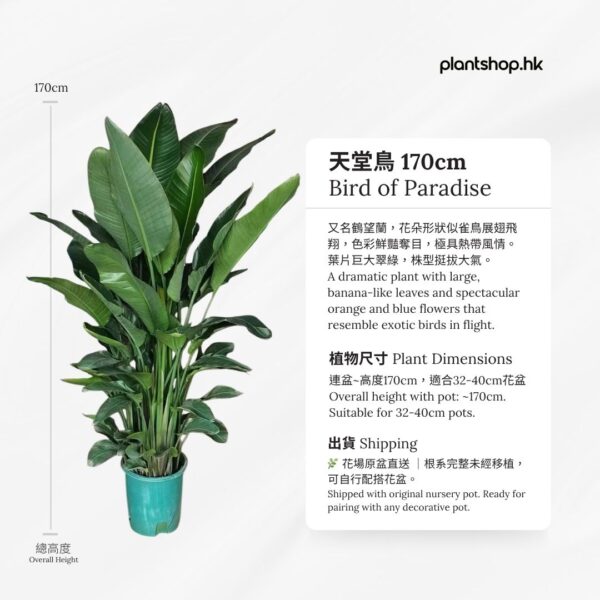
- Giant Bird of Paradise: For a giant bird of paradise, record leaf condition, existing splits and its installed position, adding any follow-up items to the handover sheet.


Madagascar Dragon Tree
Madagascar Dragon Tree — Slender canes topped with narrow, deep green leaves edged in red.
Hong Kong care guide: Madagascar Dragon Tree (light, watering & common issues)
Before & after purchase · Plantshop Care Encyclopedia
Featured
ZZ Plant
ZZ Plant — Glossy, deep green leaflets on upright stems; it copes with lower light and infrequent watering.
- Light: Bright indirect light to sun, introduced gradually.
- Watering: Water thoroughly only after most of the mix dries; never leave standing in water.
Hong Kong care guide: ZZ Plant (light, watering & common issues)
Before & after purchase · Plantshop Care Encyclopedia
Featured
Giant Bird of Paradise
Giant Bird of Paradise — A large Strelitzia nicolai, approx. 170cm tall, with upright stems and broad tropical leaves for bright living rooms, offices and entrances.
- Strong vertical form for larger indoor spaces
- Best in bright light; acclimatise gradually before stronger direct sun
- Water when the top 2–3cm of soil feels dry, then drain thoroughly
Hong Kong care guide: Giant Bird of Paradise (light, watering & common issues)
Before & after purchase · Plantshop Care Encyclopedia
